Overview
Kotka Beach is one of the most serene and visually striking points within the Sundarbans East Sanctuary. Unlike typical sandy tourist beaches, Kotka offers a raw, primordial landscape where the dense mangrove forest meets the crashing waves of the Bay of Bengal. Visitors are often greeted by the sight of spotted deer grazing near the forest edge or tracks of the elusive Bengal tiger pressed into the soft silt. The area is characterized by its unique "pneumatophores" (aerial roots) poking through the mud and the skeletons of trees bleached white by the salt and sun, creating a hauntingly beautiful atmosphere.
The experience at Kotka is defined by silence and observation. A wooden observation tower provides a panoramic view of the vast forest canopy and the open sea, while a short walk through the Jamtola beach area reveals a more rugged coastline. The sound of the wind through the Keora trees and the rhythmic pulse of the tide make it a premier spot for those seeking to connect with the wilderness. It is a place to feel the immense scale of the world's largest mangrove forest while standing on its fragile, shifting southern edge.
History & context
Located within the UNESCO World Heritage site of the Sundarbans, Kotka serves as a vital ecological sanctuary. Historically, this region has been shaped by the shifting distributaries of the Ganges, Brahmaputra, and Meghna rivers. The area is not an inhabited settlement but a protected forest station managed by the Bangladesh Forest Department. Culturally, it is part of the legendary landscape of the 'Bon Bibi' mythos, where local honey collectors and fishermen have for centuries sought protection from the forest's apex predators. It remains a critical habitat for the Royal Bengal tiger and numerous species of migratory birds.
Getting there
Access to Kotka is exclusively by water. From Dhaka, travelers must first reach Khulna or Mongla by bus, train, or air. From the Mongla port or Khulna ghats, visitors must board a multi-day chartered tourist cruiser or a motorboat equipped with necessary permits. The journey through the winding river channels of the Sundarbans to reach the Kotka station typically takes 12 to 16 hours.
Travel tips
- Carry a high-quality pair of binoculars for wildlife spotting from the observation tower.
- Wear sturdy, waterproof hiking boots as the forest floor can be muddy and uneven.
- Always stay with your forest guard and group; never wander into the deep forest alone.
- Bring effective insect repellent and full-sleeved clothing to protect against mosquitoes.
- Maintain absolute silence during forest walks to increase your chances of seeing deer and monkeys.
More beach destinations
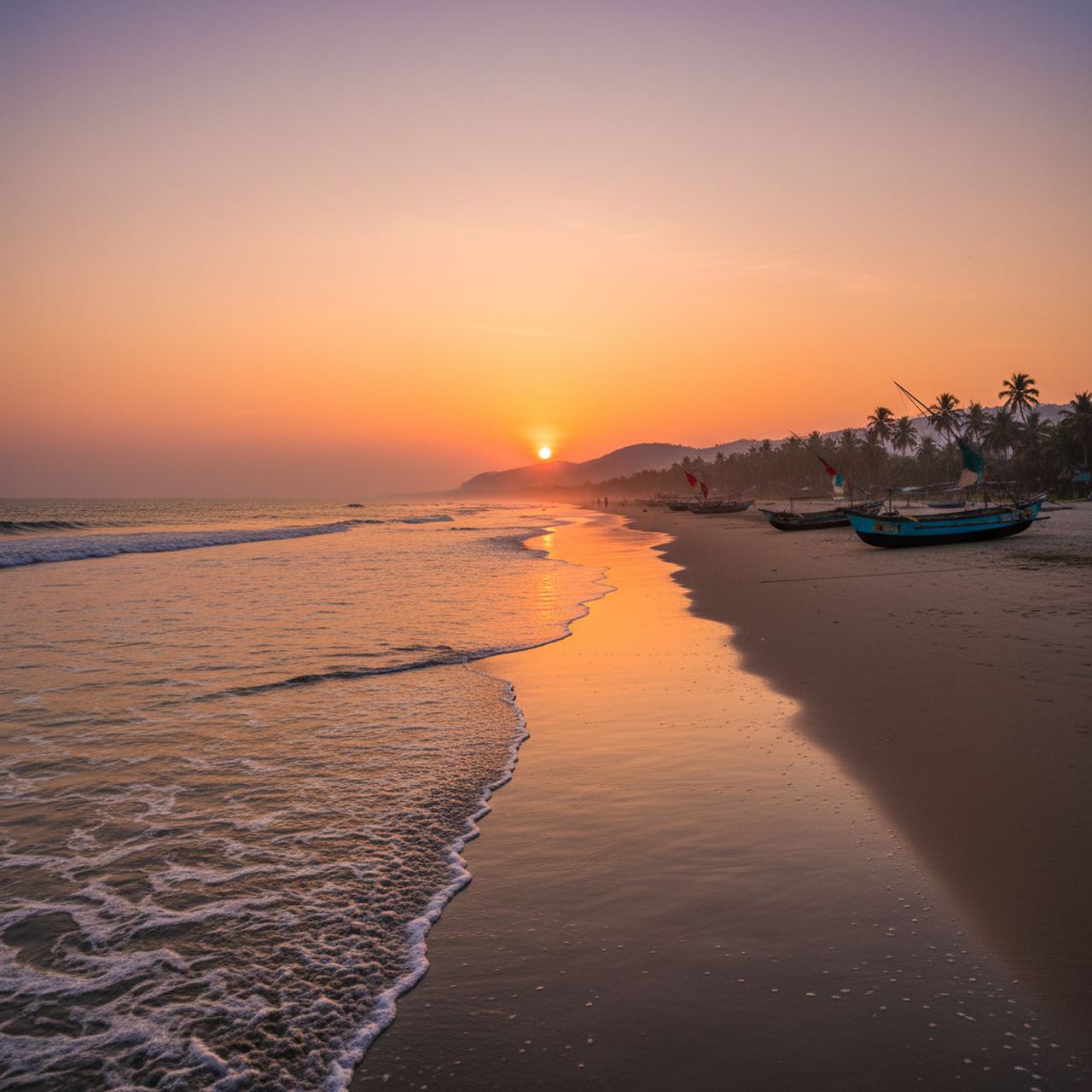
Cox's Bazar
Experience the world's longest natural sea beach, where golden sands meet the lush green hills of the Chittagong Hill Tracts.
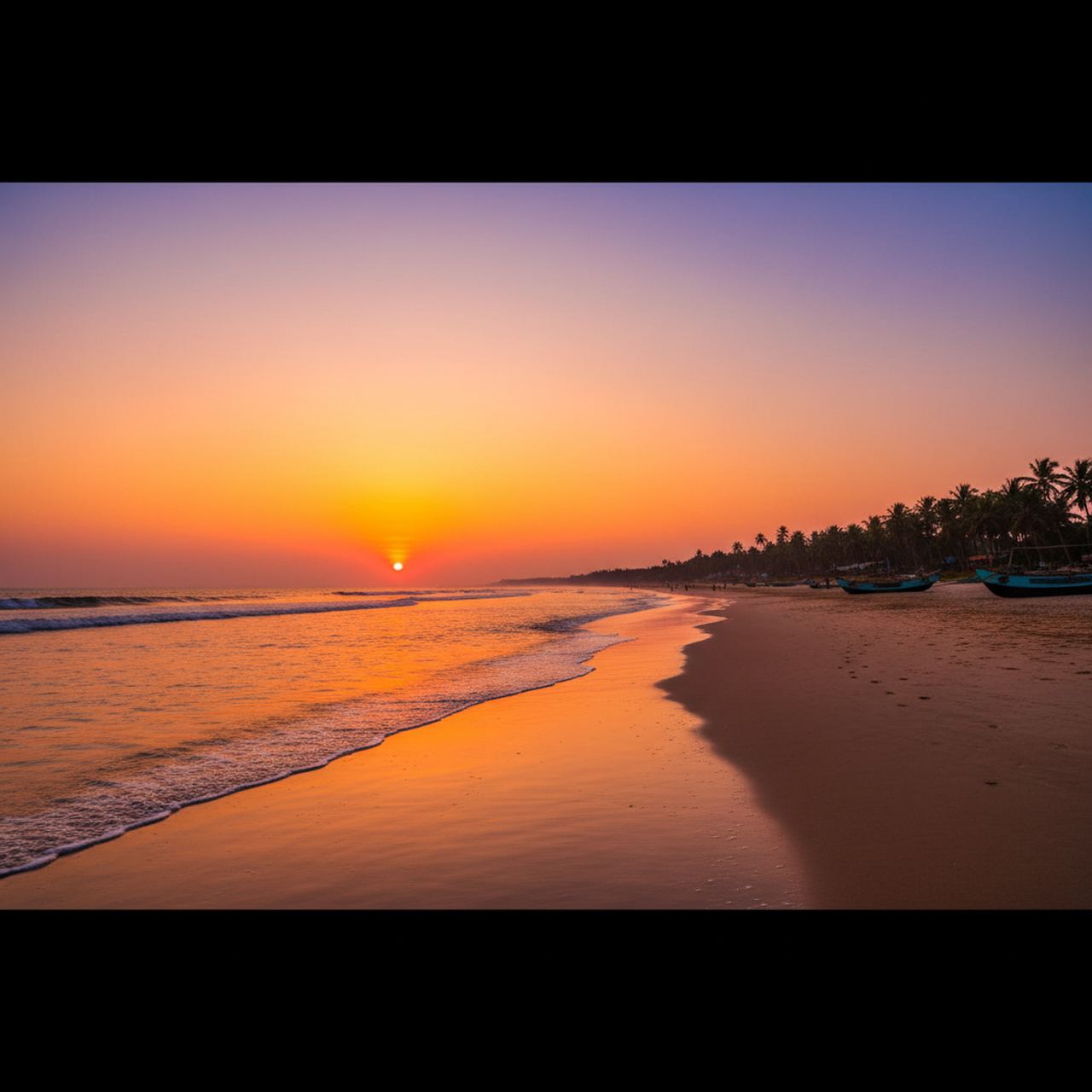
Kuakata Sea Beach
Experience the rare beauty of Kuakata, the 'Daughter of the Sea,' where sunrise and sunset meet on a single panoramic horizon.
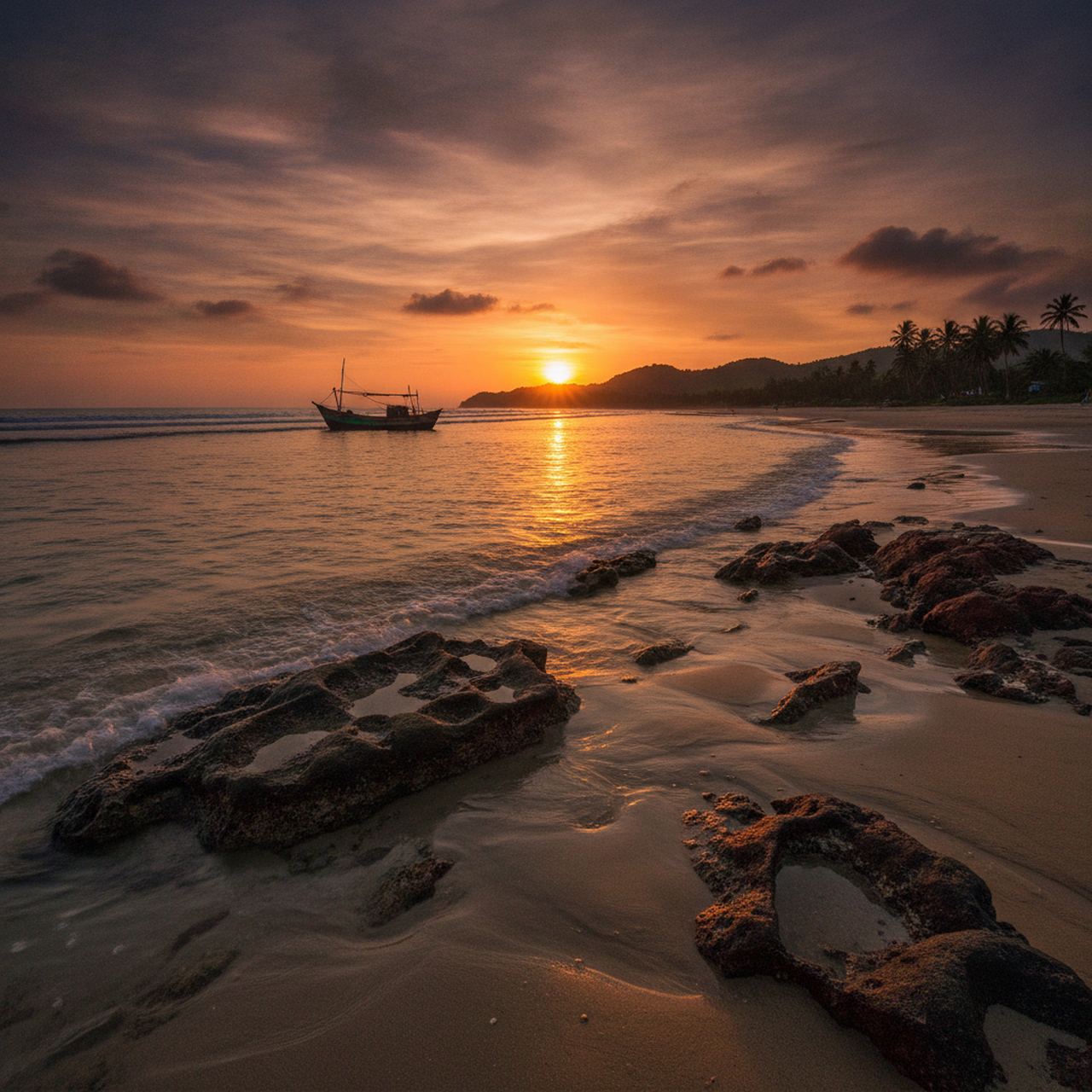
Inani Beach
A tranquil coral stone beach south of Cox's Bazar, featuring crystal clear waters, mossy rock formations, and breathtaking sunsets.