Overview
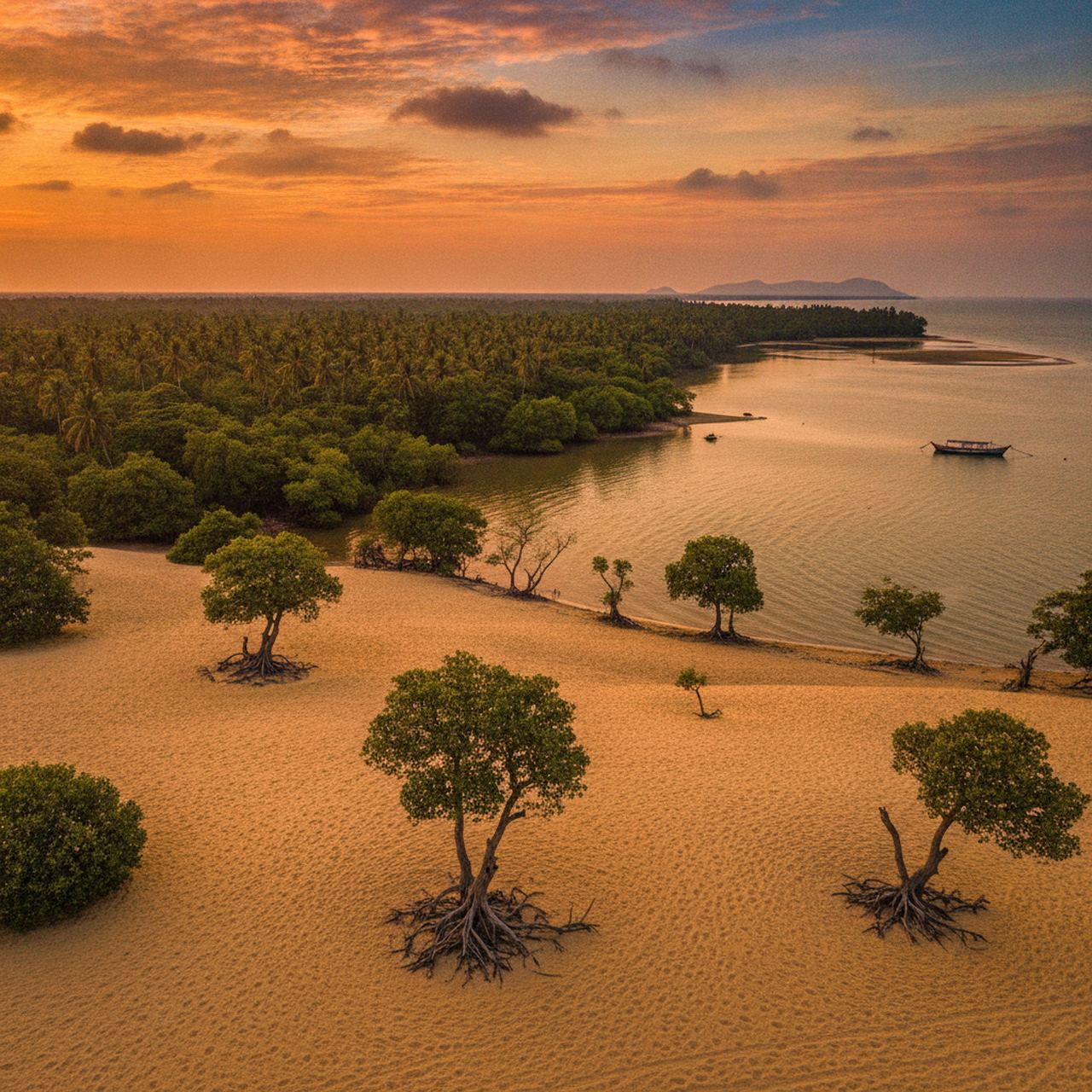
Nijhum Dwip, or the 'Silent Island,' is a secluded cluster of islands emerging from the Bay of Bengal. Defined by its sprawling mangrove forests and expansive intertidal mudflats, the island offers a profound sense of isolation. Visitors can witness the sight of thousands of Spotted Deer (Chital) emerging from the forest shadows at dawn or dusk to drink from the freshwater streams. The landscape is a mosaic of dense keora trees, sandy beaches like Namar Bazar, and winding canals that can be explored by traditional wooden boats.
The atmosphere is dominated by the rhythm of the tides and the calls of migratory birds. Walking through the forest trails, you feel the soft silt beneath your feet and the humid, salty breeze. Beyond the wildlife, the island provides a glimpse into the resilient lives of the local fishing communities. At night, the absence of light pollution reveals a brilliant canopy of stars over the dark silhouettes of the mangroves, making it a sanctuary for those seeking silence and raw natural beauty.
History & context
The island is a relatively new geographical formation, having risen from the sea as an alluvial silt deposition in the 1940s. Originally known as Char Osmani and later Baular Char, it was renamed Nijhum Dwip (Silent Island) in the 1970s to reflect its tranquil environment. Following its discovery, the Forest Department began an ambitious afforestation program in the 1970s, introducing the Spotted Deer population which has since flourished. Today, it serves as a critical habitat for various bird species and was declared a National Park in 2001 to protect its unique mangrove ecosystem and biodiversity.
Getting there
The most common route from Dhaka involves taking an overnight launch (ferry) from Sadarghat to Hatiya. From Hatiya, you must take a local motorbike or rickshaw to Moktaria Ghat, followed by a short trawler boat crossing to the northern tip of Nijhum Dwip. Alternatively, one can travel by bus to Noakhali's Chairman Ghat and then take a sea-truck or speed boat to Hatiya.
Travel tips
- Carry a powerful flashlight as electricity on the island is limited and sporadic.
- Bring adequate cash since there are no functional ATM booths on the island.
- Hire a local guide for forest trekking to safely spot deer and navigate the tides.
- Pack mosquito repellent and basic medicines, as medical facilities are very basic.
- Respect the wildlife by maintaining silence and never throwing plastic in the mangroves.
More island destinations
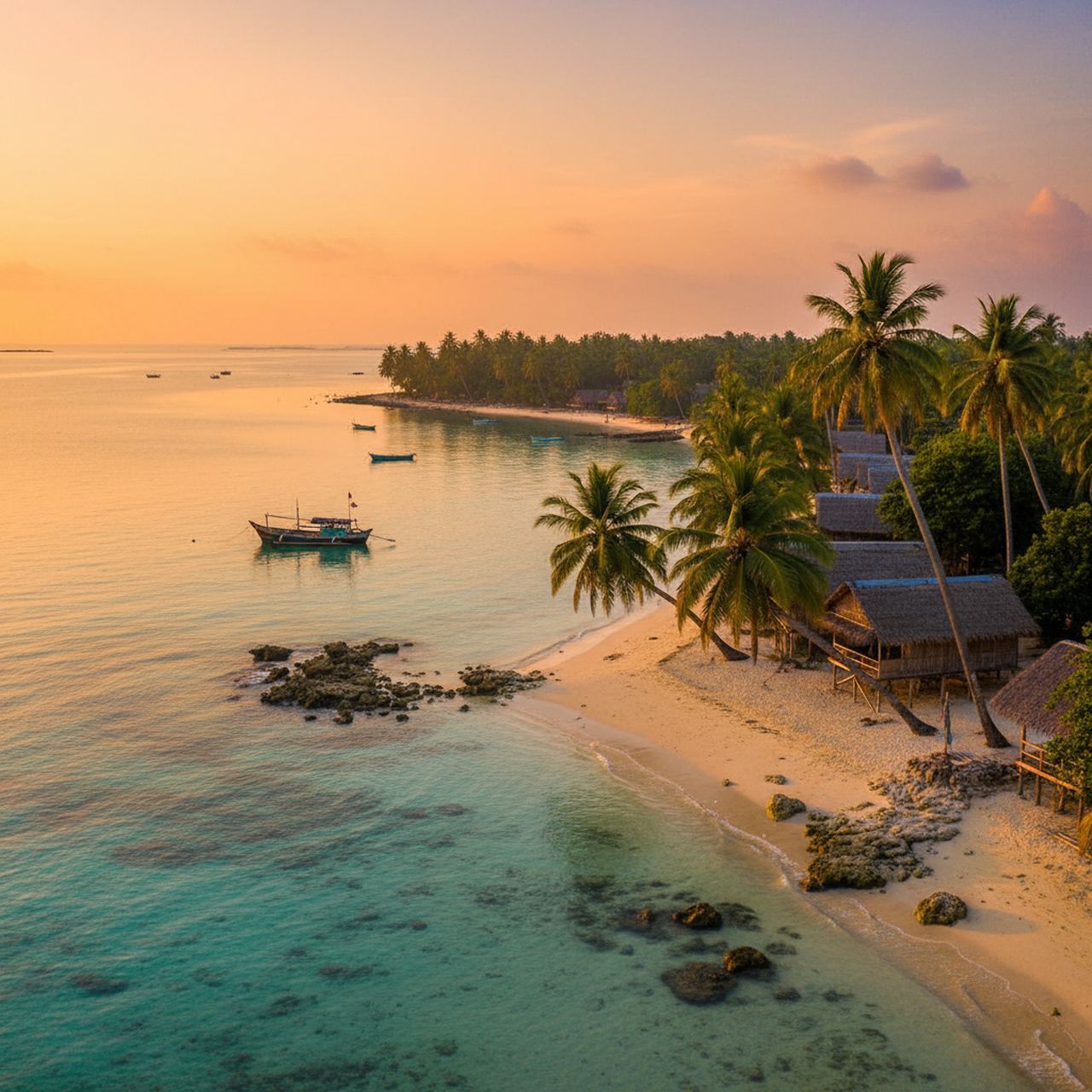
Saint Martin's Island
Bangladesh’s only coral island, offering turquoise waters, fresh seafood, and a serene escape into the heart of the Bay of Bengal.
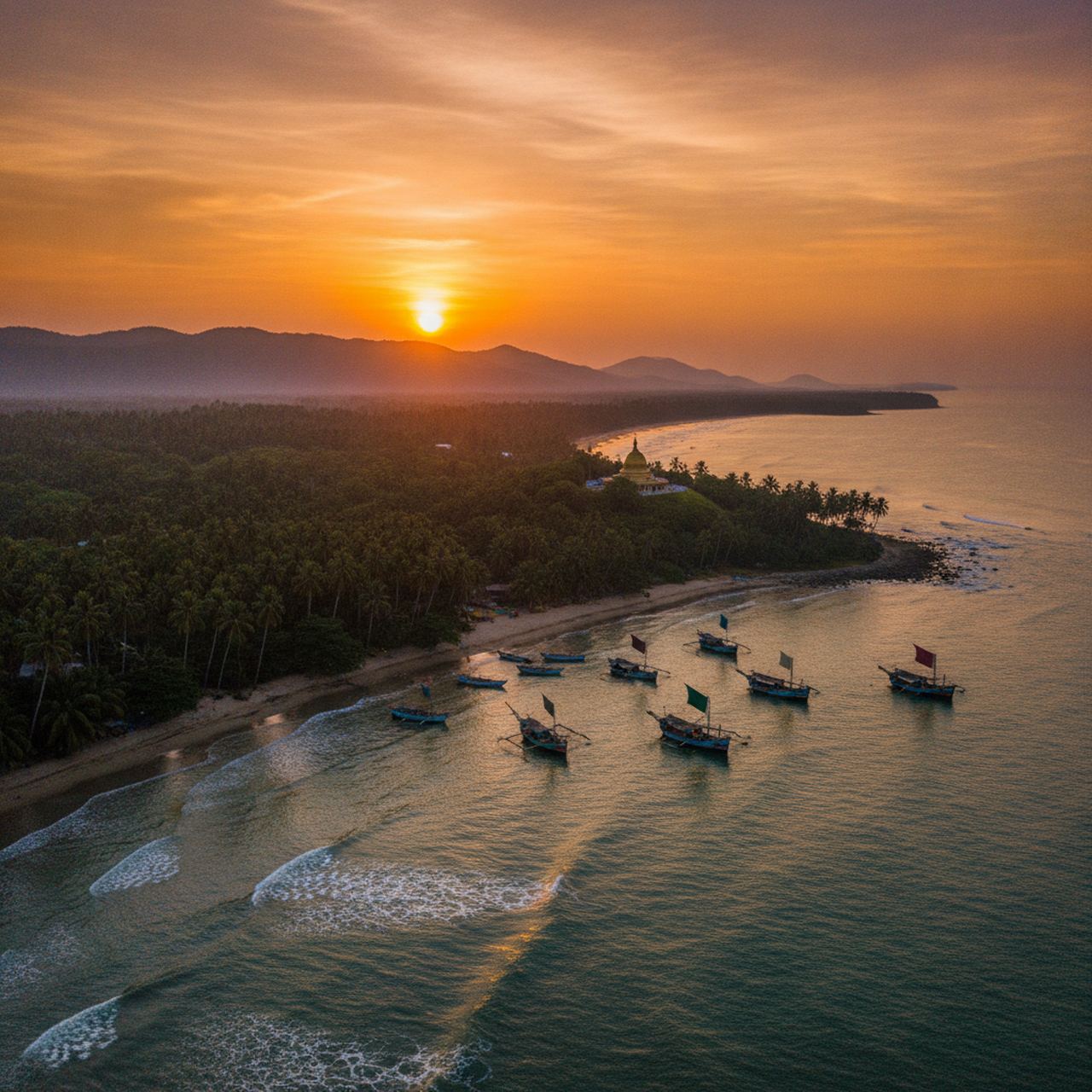
Moheshkhali Island
Bangladesh's only hilly island, featuring ancient temples, salt pans, and the rich cultural heritage of the Rakhine community.
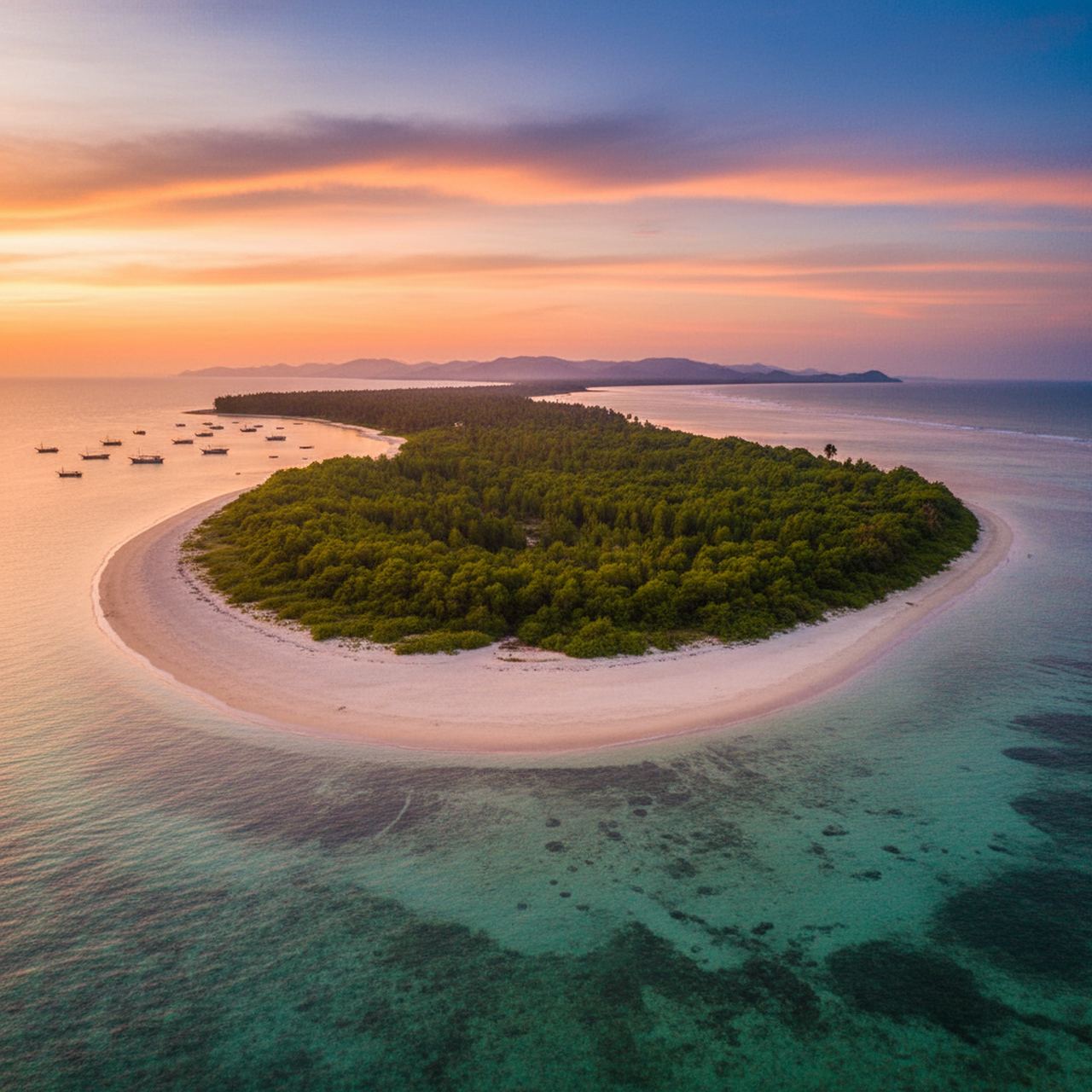
Sonadia Island
A secluded offshore paradise of white sands, mangrove forests, and rare migratory birds off the coast of Cox's Bazar.