Overview
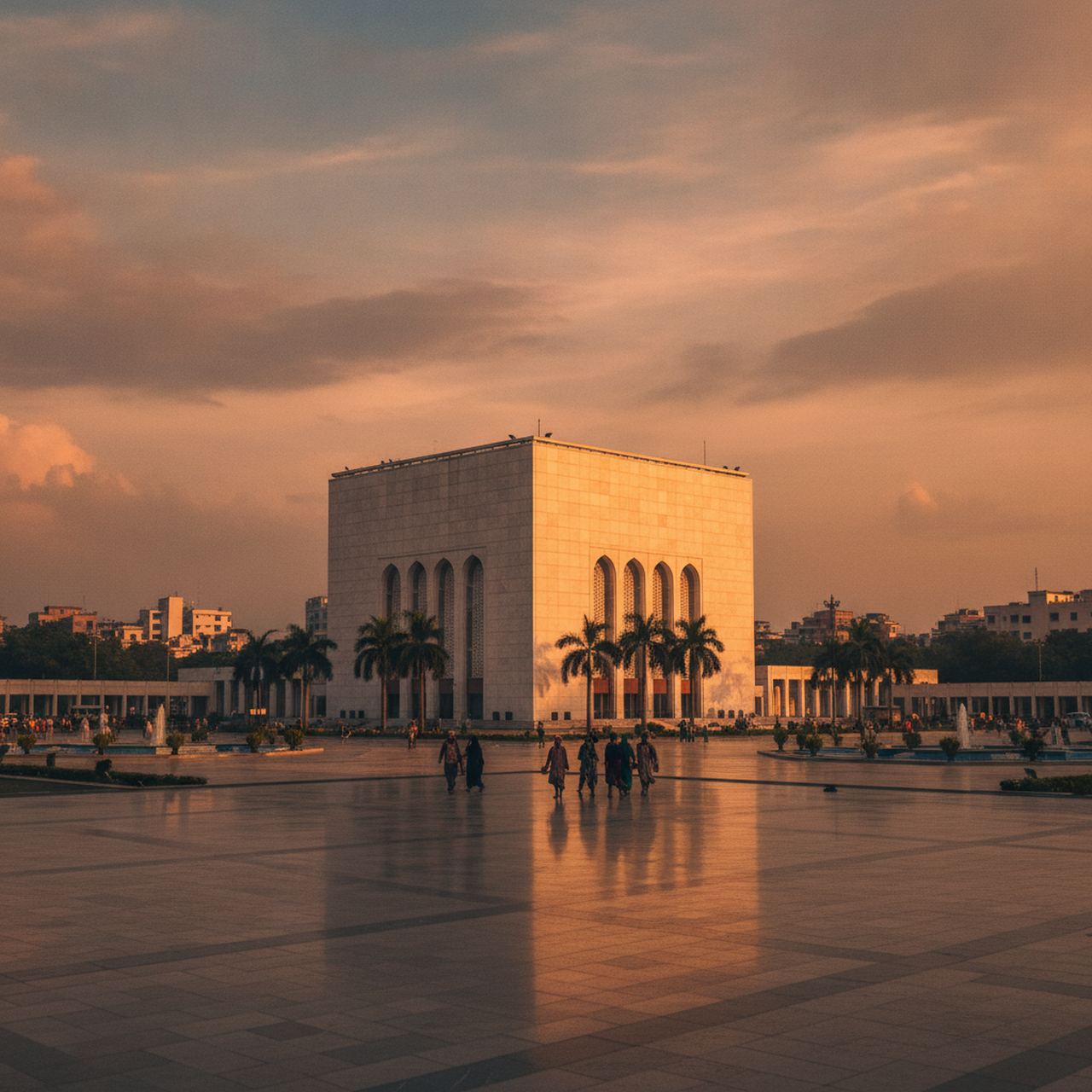
Baitul Mukarram, the National Mosque of Bangladesh, stands as a massive cuboid structure in the heart of Dhaka. Inspired by the Kaaba in Mecca, its architecture deviates from the traditional domed style of South Asian mosques, offering a striking, minimalist aesthetic. The interior is a vast expanse of light and shadow, featuring high ceilings and elegant geometric patterns. Visitors are greeted by a serene atmosphere that contrasts sharply with the bustling Motijheel commercial district just outside its gates.
The complex is not just a place of worship but a hub of daily life. The surrounding area is famous for its vibrant markets, selling everything from religious texts and prayer beads to traditional perfumes and clothing. Walking through the paved courtyards, one can appreciate the scale of the mosque, which can accommodate over 40,000 worshippers. The integration of modern architectural lines with traditional Islamic motifs makes it a significant landmark for photography and cultural observation.
History & context
Construction of Baitul Mukarram began in 1960 and was completed in 1968. It was designed by the architect Abdulhusein M. Thariani. The mosque was commissioned during a period of significant urban growth in Dhaka to serve as a central spiritual landmark for the city's expanding population. Its design was revolutionary for the time, eschewing the typical dome in favor of a flat-roofed, tiered structure that allows for better airflow and light in a tropical climate. In 2008, the mosque underwent significant extensions to increase its capacity, funded by the government to maintain its status as the nation's premier religious site.
Getting there
Located in the Purana Paltan area of central Dhaka, the mosque is easily accessible by rickshaw, CNG, or bus from any part of the city. If traveling from North Dhaka, follow the VIP Road toward Gulistan. The landmark is highly recognizable and serves as a major transit point.
Travel tips
- Dress modestly; shoulders and knees must be covered for all visitors.
- Women should carry a scarf to cover their heads if planning to enter the prayer halls.
- Avoid visiting during the Friday midday Jumu'ah prayer unless you are there to worship, as it is extremely crowded.
- Remove your shoes at the designated counters before entering the main premises.
- Photography is generally permitted in the courtyards but be discreet and respectful near those praying.
More religious destinations
Dhakeshwari Temple
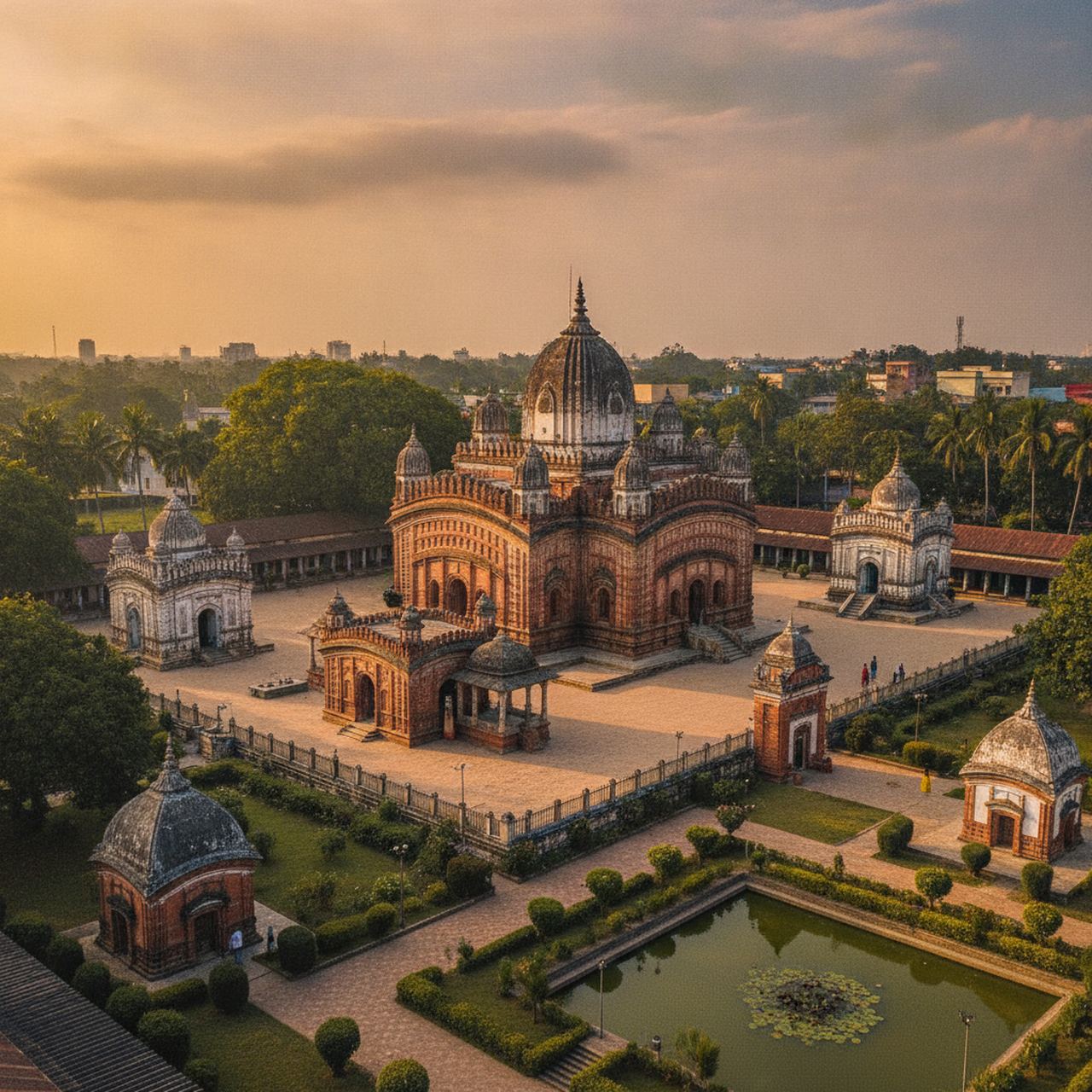
The historic spiritual center of Dhaka, this 12th-century national temple is a serene sanctuary of Hindu heritage and architecture.
Sixty Dome Mosque
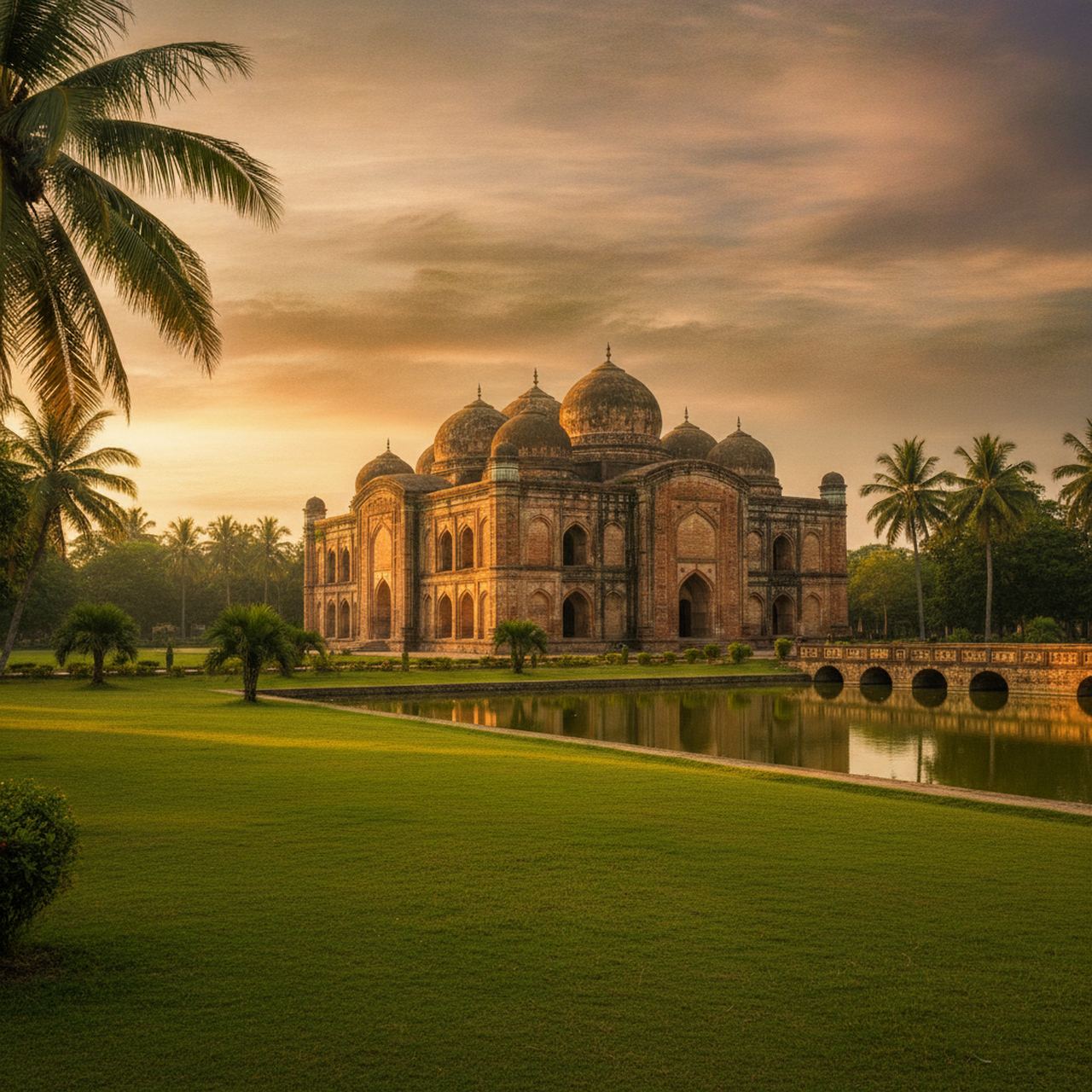
A 15th-century UNESCO World Heritage site in Bagerhat, featuring 77 domes and stunning Sultanate-era brick architecture.
Kantajew Temple
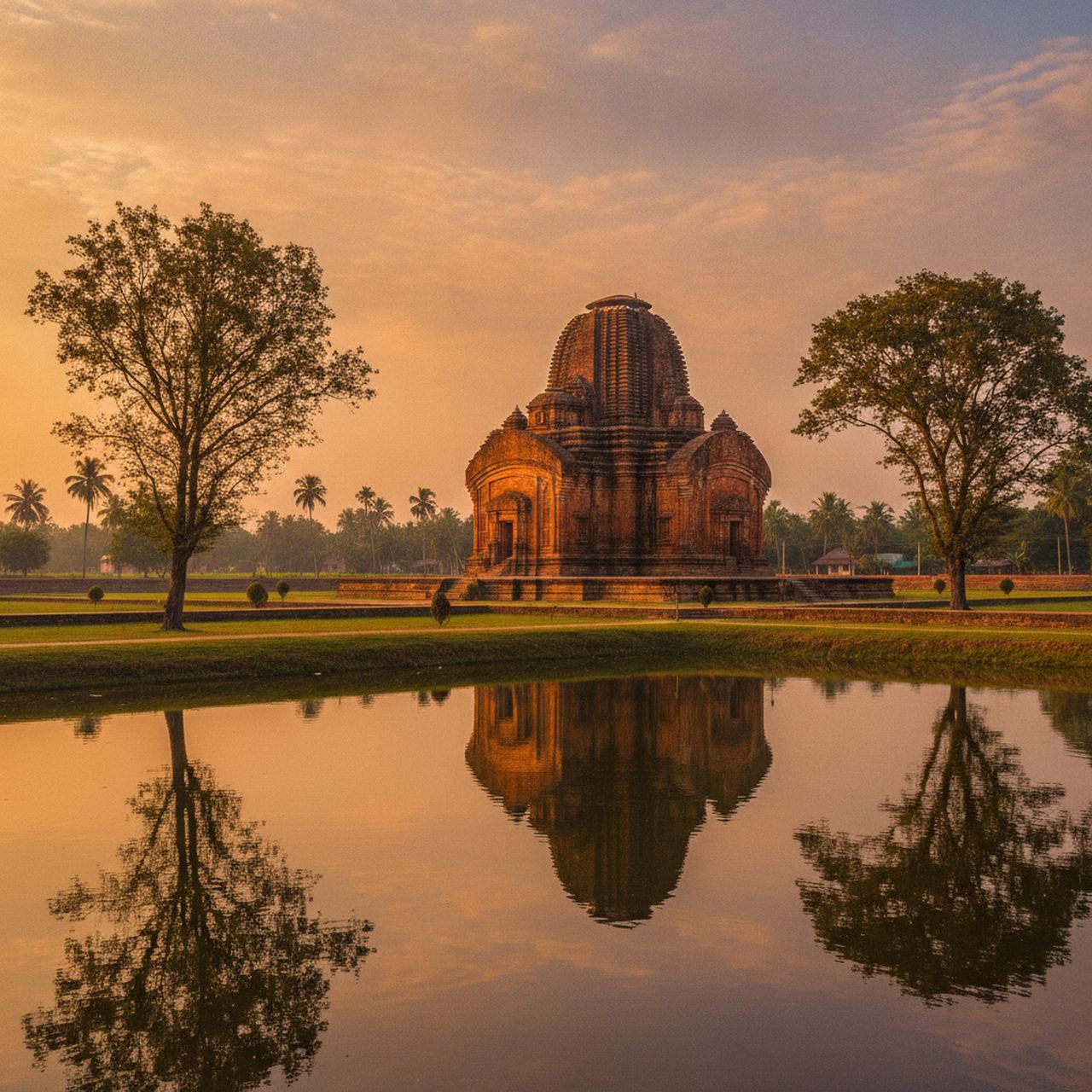
A breathtaking 18th-century terracotta masterpiece in Dinajpur, featuring thousands of intricate plaques depicting ancient epics.