Overview
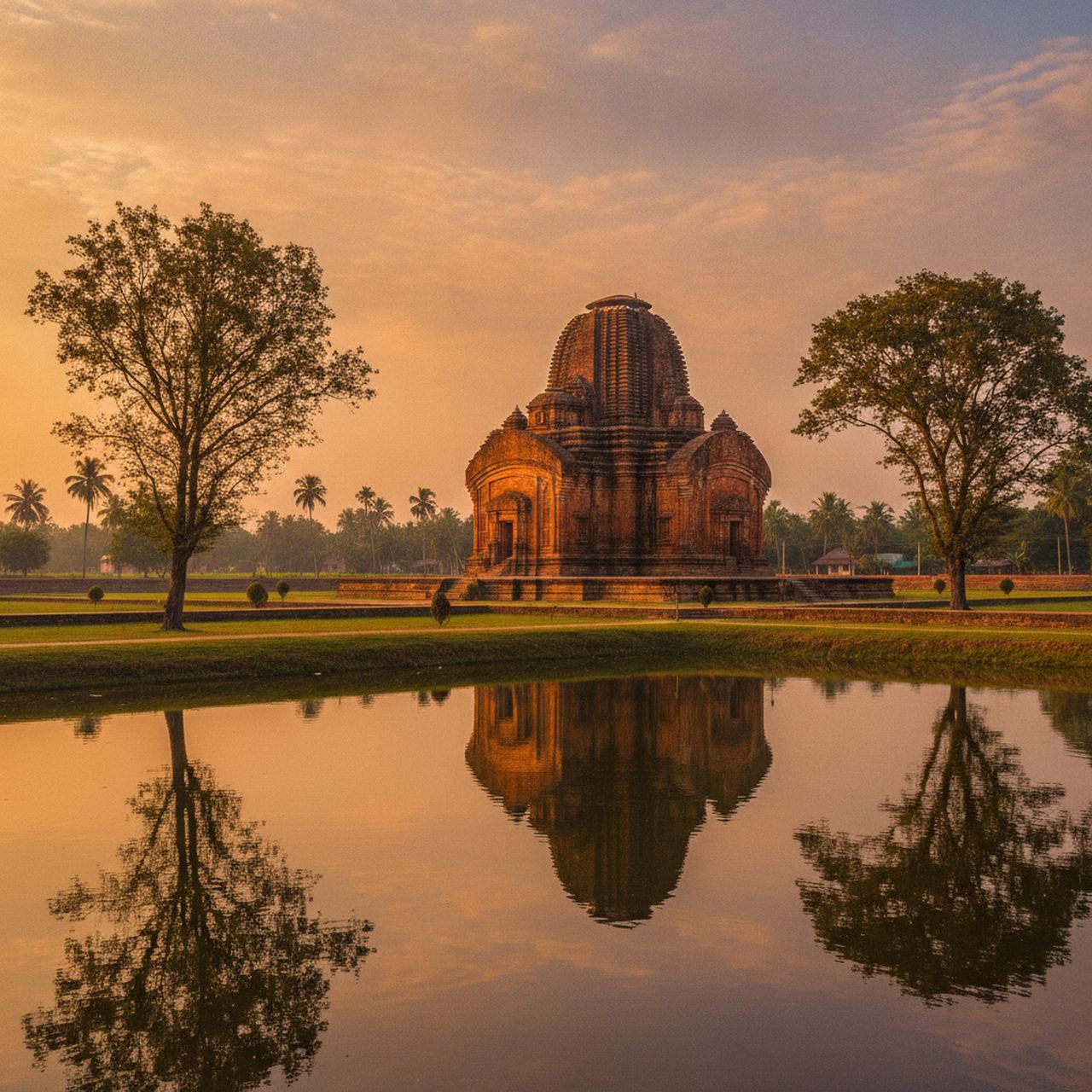
Kantajew Temple, located in Dinajpur, stands as one of the most magnificent religious monuments in South Asia. This 18th-century brick structure is a masterpiece of terracotta architecture, where every square inch of the exterior walls is adorned with intricate plaques. As you walk around the base, you will see a vivid stone-carved tapestry depicting mythological tales from the Ramayana and Mahabharata, alongside glimpses of 18th-century social life, hunting scenes, and royal processions. The play of light and shadow on the burnt-clay reliefs creates a dynamic sense of storytelling that feels alive even centuries later.
The temple was originally a 'nava-ratna' or nine-spire structure, though the spires were unfortunately destroyed during the earthquake of 1897. Despite this loss, the remaining cubic block remains breathtaking. The surrounding courtyard offers a tranquil atmosphere, bordered by old trees and a quiet countryside. Visitors often feel a profound sense of historical continuity as they observe the harmony between the intricate craftsmanship and the peaceful, rural landscape of northern Bangladesh.
History & context
Construction of the temple began in 1704 under the patronage of Maharaja Pran Nath of Dinajpur. It was eventually completed in 1752 by his adopted son, Maharaja Ram Nath. The temple is dedicated to Krishna and Rukmini, and its design reflects the 'pancha-ratna' style typical of Bengal, though elevated to a grander scale. The terracotta art serves as a crucial historical record, blending traditional Hindu iconography with secular motifs of the Mughal era, such as floral patterns and contemporary attire. It remains a primary pilgrimage site during the annual Rash Mela festival, drawing thousands of devotees and tourists alike.
Getting there
From Dhaka, take a bus or train directly to Dinajpur city. The journey by bus takes approximately 8-10 hours, while the Intercity 'Ekota' or 'Drutojan' Express trains are popular options. Once in Dinajpur, the temple is located about 20 kilometers north of the town. You can hire a private car, an auto-rickshaw, or take a local bus toward Birganj and drop off at the Kantanagar stop.
Travel tips
- Carry a zoom lens for your camera to capture high-detail terracotta reliefs located on the upper tiers.
- Visit during the weekday to avoid the large crowds that gather on weekends and public holidays.
- Respect local customs and remove your shoes before stepping onto the temple plinth.
- Combine your visit with the nearby Nayabad Mosque, which was built by the same craftsmen who worked on the temple.
- Hire a local guide at the entrance to better understand the specific mythological stories depicted on the walls.
More religious destinations
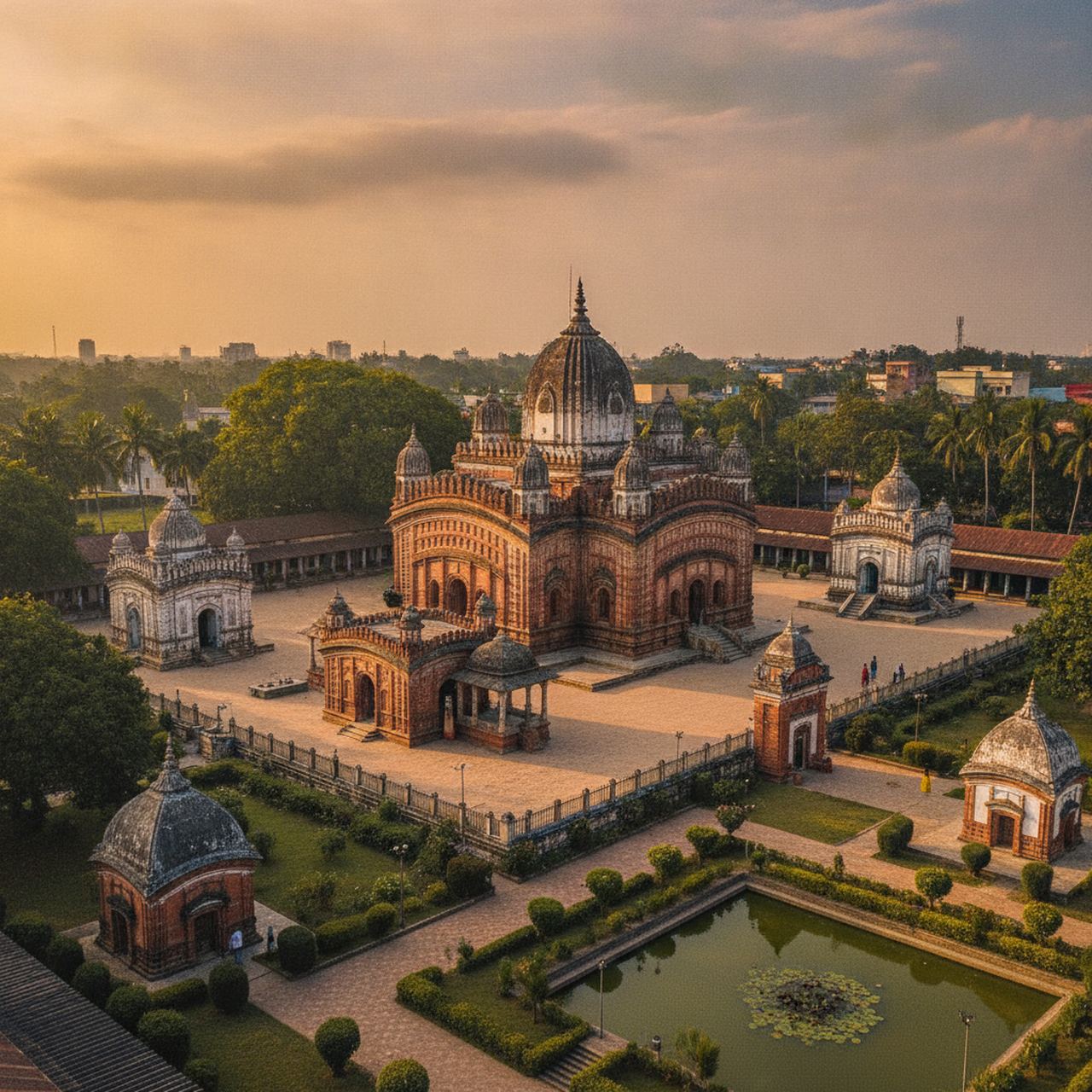
Dhakeshwari Temple
The historic spiritual center of Dhaka, this 12th-century national temple is a serene sanctuary of Hindu heritage and architecture.
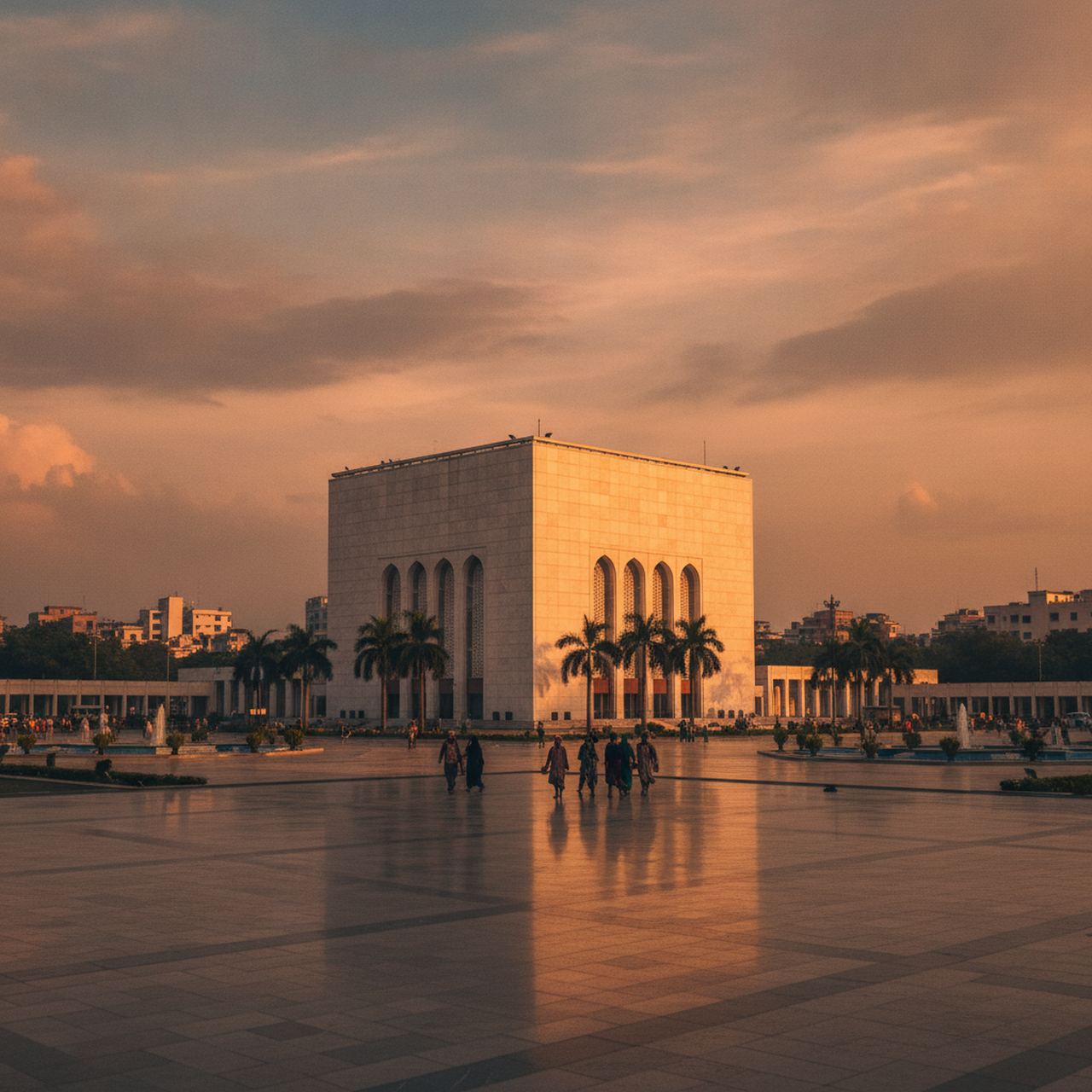
Baitul Mukarram
Experience the architectural grandeur and spiritual heart of Bangladesh at the Kaaba-inspired National Mosque in central Dhaka.
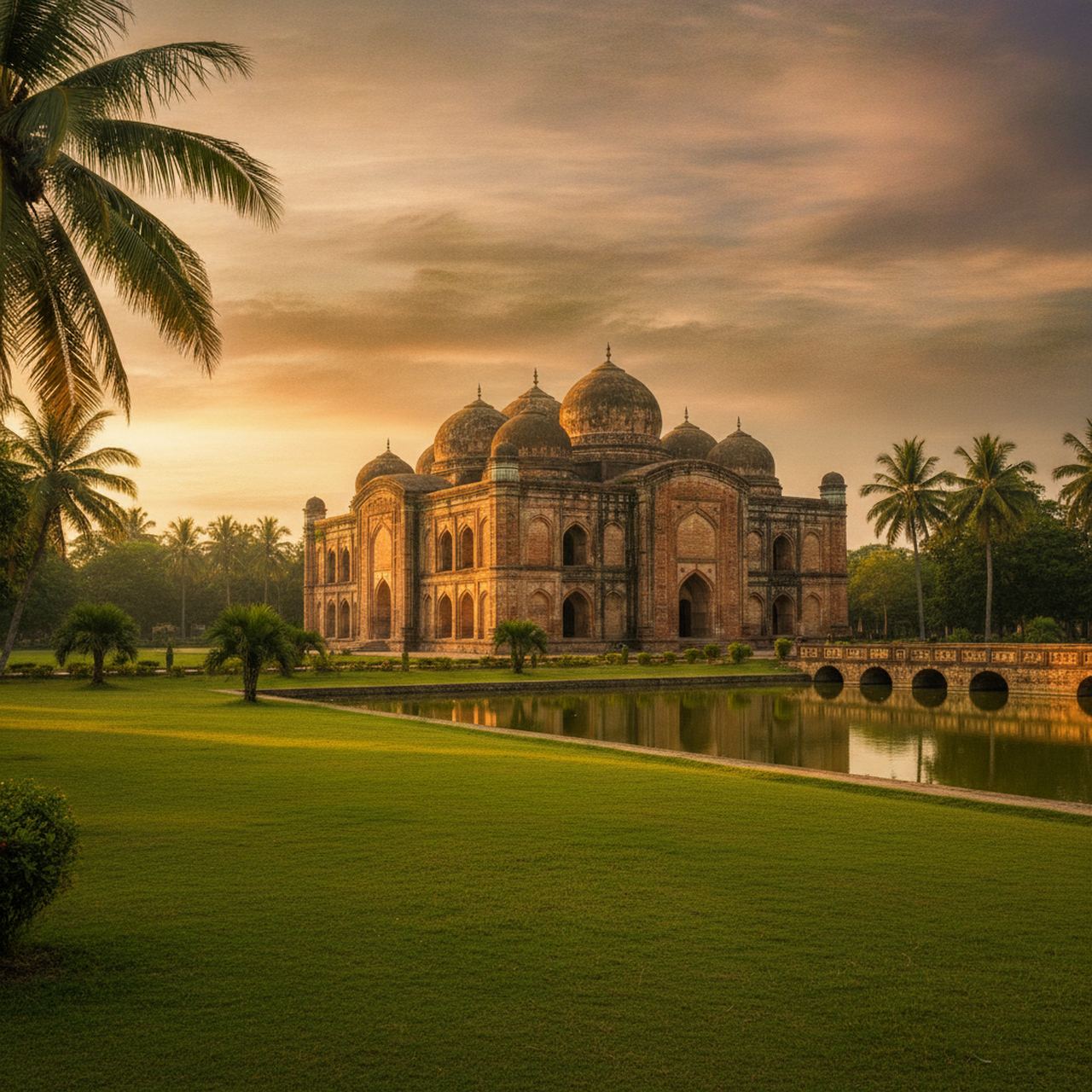
Sixty Dome Mosque
A 15th-century UNESCO World Heritage site in Bagerhat, featuring 77 domes and stunning Sultanate-era brick architecture.