Overview
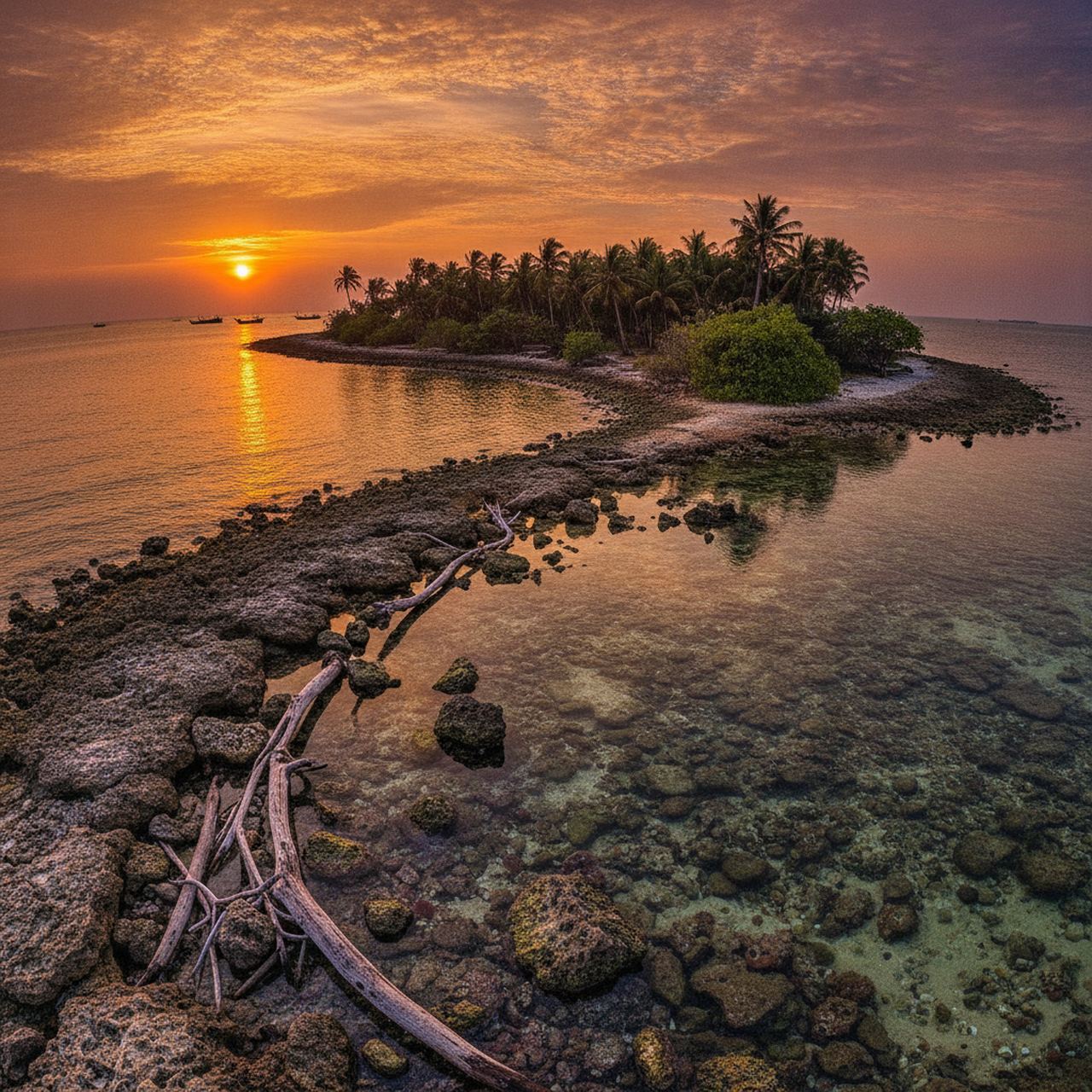
Chera Dwip marks the southernmost point of Bangladesh, a small, uninhabited landmass that emerges as a distinct island during high tide. It is characterized by its sharp volcanic rocks and fossilized coral structures, which are unique within the country's geography. The surrounding waters are exceptionally clear, transitioning from turquoise to deep blue, revealing a vibrant underwater world of marine life and coral colonies. Visitors can walk among the scattered coconut groves and observe the rhythmic crashing of the Bay of Bengal against the jagged shoreline.
The atmosphere is one of stark, isolated beauty. Unlike the bustling beaches of the mainland, Chera Dwip offers a quiet, rugged landscape where the horizon feels endless. Walking across the island requires caution due to the sharp coral, but the reward is a sense of standing at the very edge of the nation. As the tide recedes, natural pools form between the rocks, trapping small fish and sea creatures, creating a miniature ecosystem that is fascinating to explore on foot.
History & context
Chera Dwip is an extension of St. Martin's Island, the only coral island in Bangladesh. Geologically, it is part of the Arakan Yoma mountain range's submerged continuation. While the island has no permanent human settlement due to its size and tidal fluctuations, it holds significant ecological value as a sanctuary for sea turtles and various species of coral. Local folklore often refers to it as 'Cheradia,' which translates to 'torn island,' referencing how it physically detaches from the main island of St. Martin's during high tide, creating a separate entity in the middle of the sea.
Getting there
From Dhaka, take a bus to Teknaf, then board a ferry or sea truck to St. Martin's Island. From the main jetty at St. Martin's, you can reach Chera Dwip by hiring a motorboat or a traditional wooden boat. During low tide, it is possible to trek or take a bicycle across the connecting sandbar, though a boat is recommended for safety and convenience.
Travel tips
- Wear sturdy, thick-soled sandals or water shoes to protect your feet from sharp coral.
- Time your visit with the tides; ensure you have a return boat arranged before the tide rises.
- Carry plenty of drinking water and sunscreen, as there is very little shade on the island.
- Strictly avoid removing or taking any coral or shells from the island to preserve the ecosystem.
- Visit early in the morning to avoid the midday heat and the arrival of larger tourist groups.
More island destinations
Saint Martin's Island
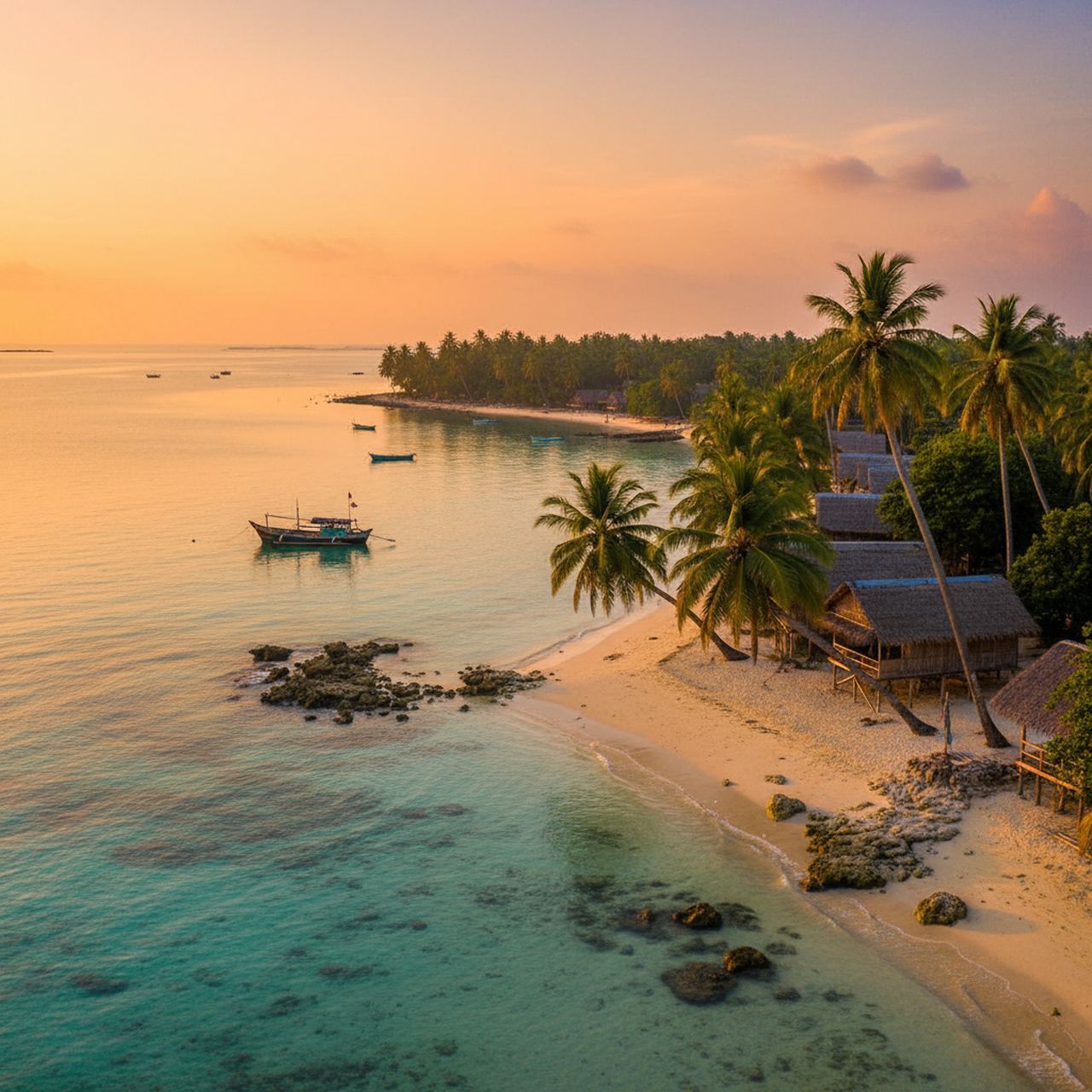
Bangladesh’s only coral island, offering turquoise waters, fresh seafood, and a serene escape into the heart of the Bay of Bengal.
Nijhum Dwip
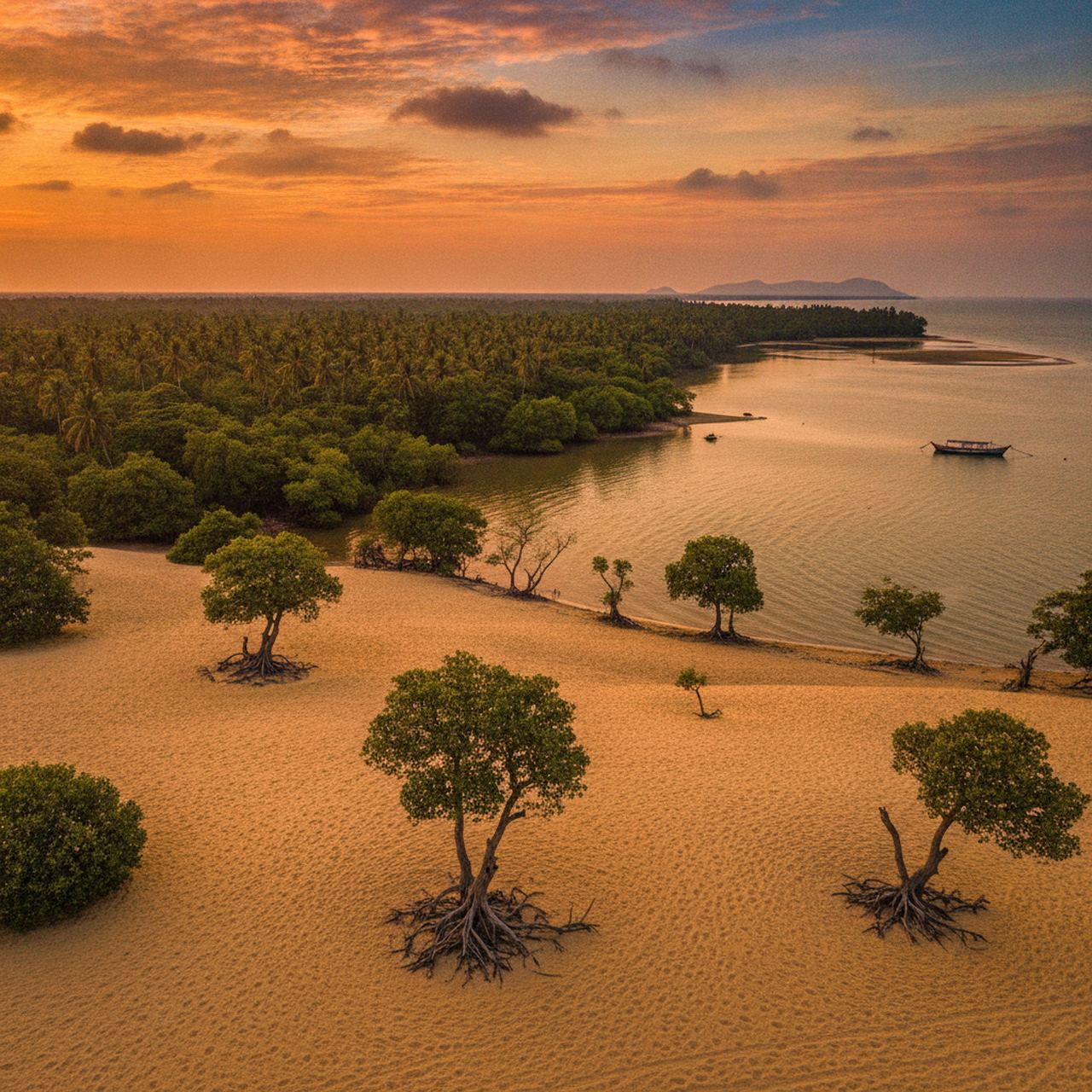
A serene mangrove sanctuary in the Bay of Bengal, famous for its roaming Spotted Deer, migratory birds, and untouched coastal landscapes.
Moheshkhali Island
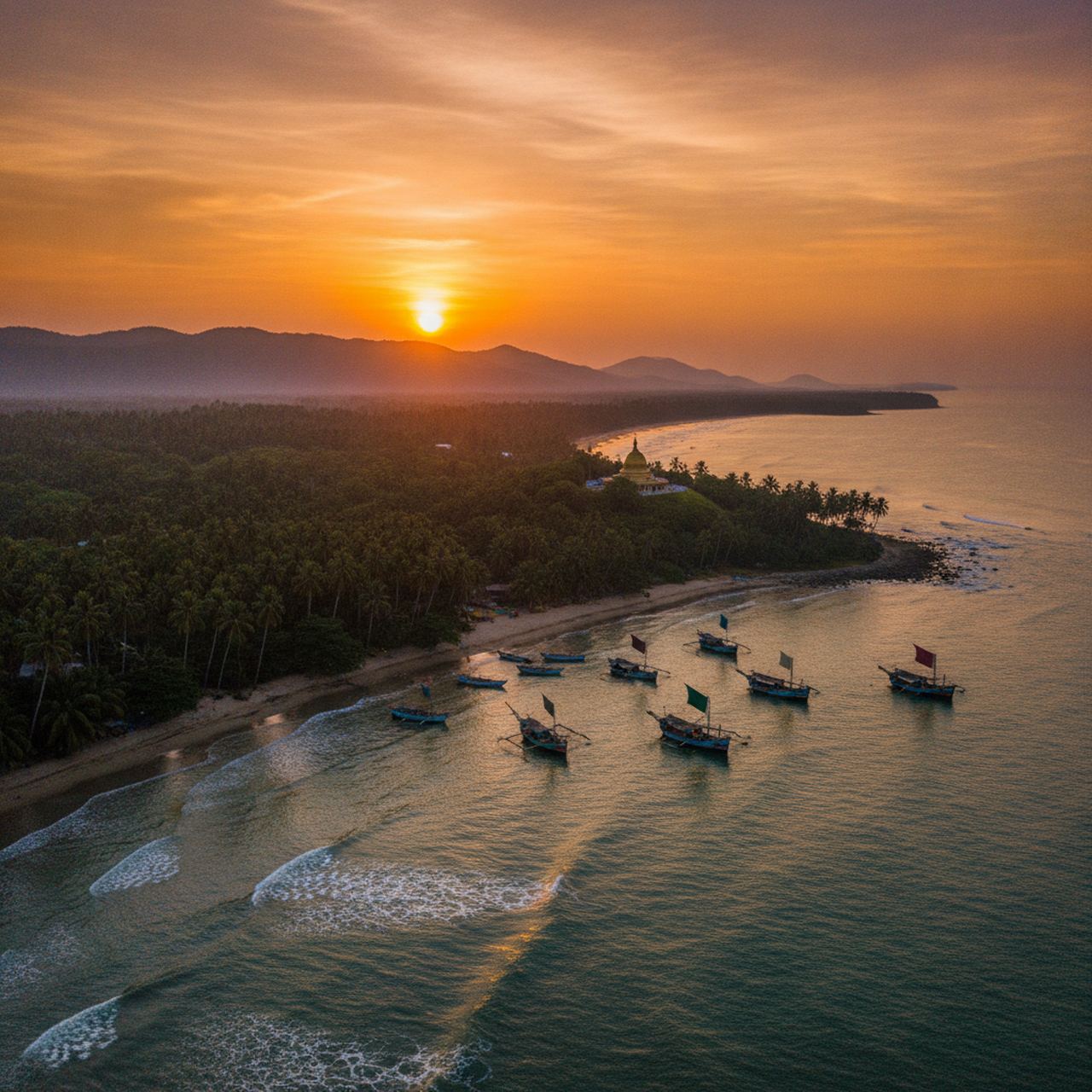
Bangladesh's only hilly island, featuring ancient temples, salt pans, and the rich cultural heritage of the Rakhine community.