Overview
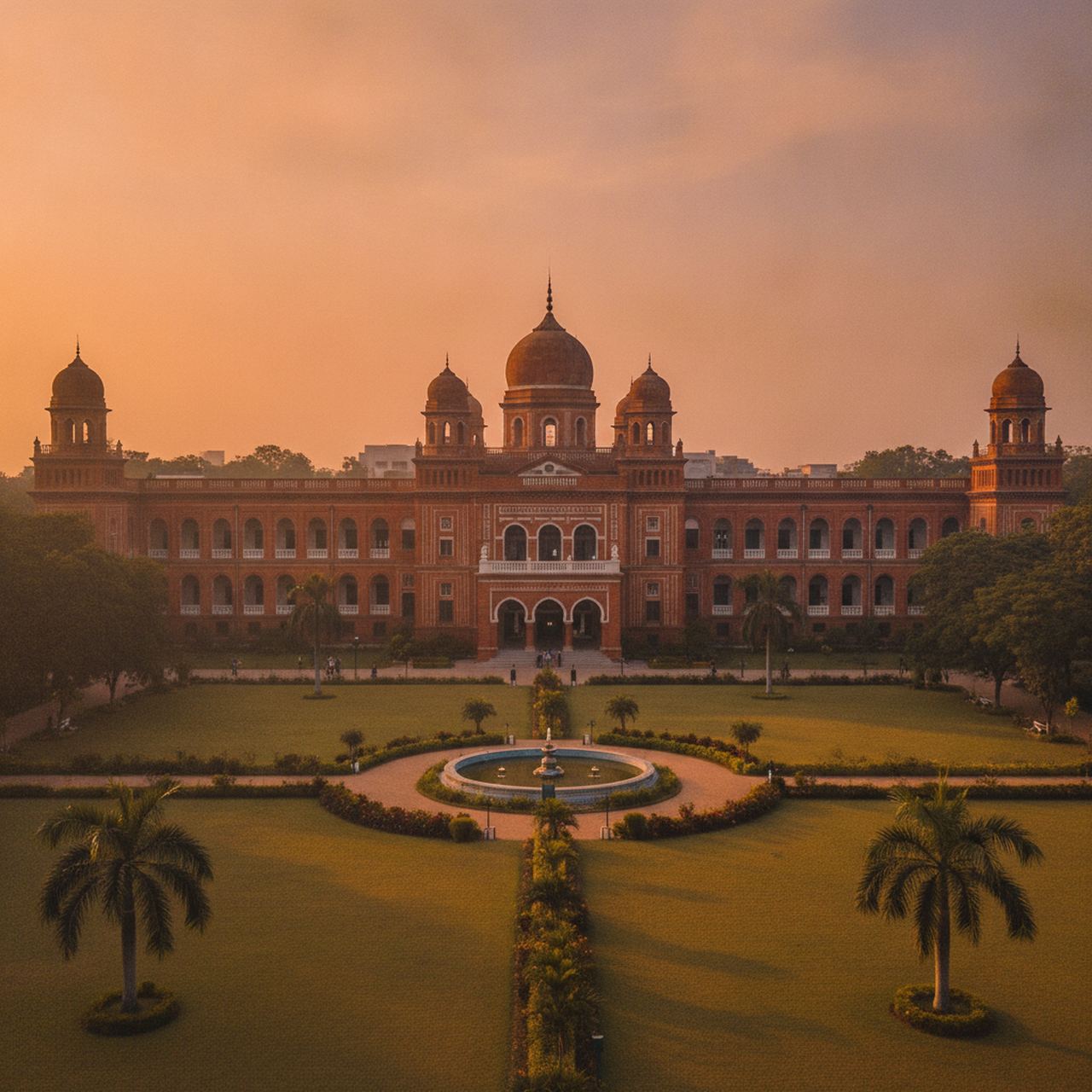
Located in the heart of Shahbag, the Bangladesh National Museum is the largest repository of the nation's cultural, artistic, and natural heritage. As you walk through its four floors and dozens of galleries, you are met with an impressive transition from the prehistoric era to modern-day Bangladesh. The ground floor introduces the country's diverse flora and fauna, featuring life-sized dioramas and a massive blue whale skeleton. As you ascend, the focus shifts to human history, showcasing exquisite terracotta art, intricate wood carvings, and an extensive collection of ancient Buddhist and Hindu sculptures that reflect the region’s pluralistic roots.
The atmosphere inside is one of quiet contemplation, offering a stark contrast to the bustling Dhaka streets outside. Key highlights include the world-renowned 'Nakshi Kantha' (embroidered quilts), ancient weaponry, and the world-class collection of coins and medals. For many, the most poignant section is the gallery dedicated to the 1971 Liberation War, which houses personal artifacts of martyrs and documentation of the struggle for independence. Whether you are an art lover or a history enthusiast, the museum provides a comprehensive sensory journey through the evolution of the Bengali identity.
History & context
The institution traces its origins back to the Dhaka Museum, which was inaugurated in 1913 in a single room at the Old Secretariat. Over the decades, the collection grew significantly, necessitating a move to its current purpose-built architectural site in Shahbag, which was formally inaugurated as the National Museum in 1983. The museum serves not only as a storehouse for artifacts but as a research center for the country's archaeology and ethnography. It stands as a symbol of national pride, documenting the transition from the ancient kingdoms of Samatata and Varendra through the Mughal and British colonial periods to the birth of the sovereign People's Republic of Bangladesh.
Getting there
The museum is located in the Shahbag intersection of Dhaka. From any part of the city, you can take a rickshaw, public bus, or ride-sharing service to Shahbag. It is situated adjacent to the University of Dhaka and Bangabandhu Sheikh Mujib Medical University.
Travel tips
- The museum is closed on Thursdays and public holidays. Check local listings for adjusted Friday hours.
- Large bags and cameras must be deposited at the security counter near the entrance.
- Purchase your ticket at the booth located just outside the main gate; prices differ for locals and foreigners.
- Wear comfortable walking shoes as the galleries cover a vast area across multiple floors.
- Allow at least 3 to 4 hours to see the major exhibits thoroughly.
More heritage destinations
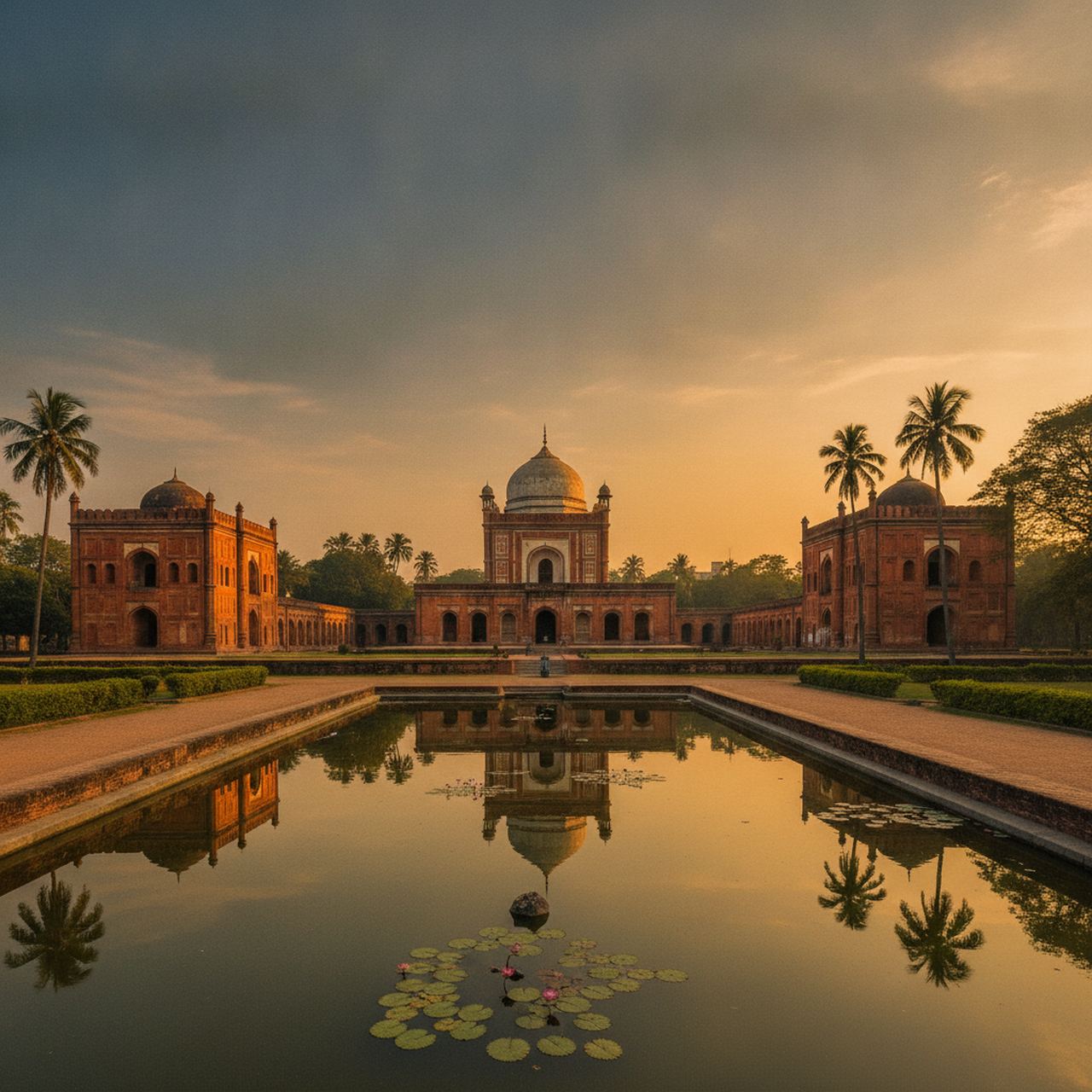
Lalbagh Fort
An iconic 17th-century Mughal fortress in Old Dhaka featuring grand monuments, lush gardens, and a storied royal history.
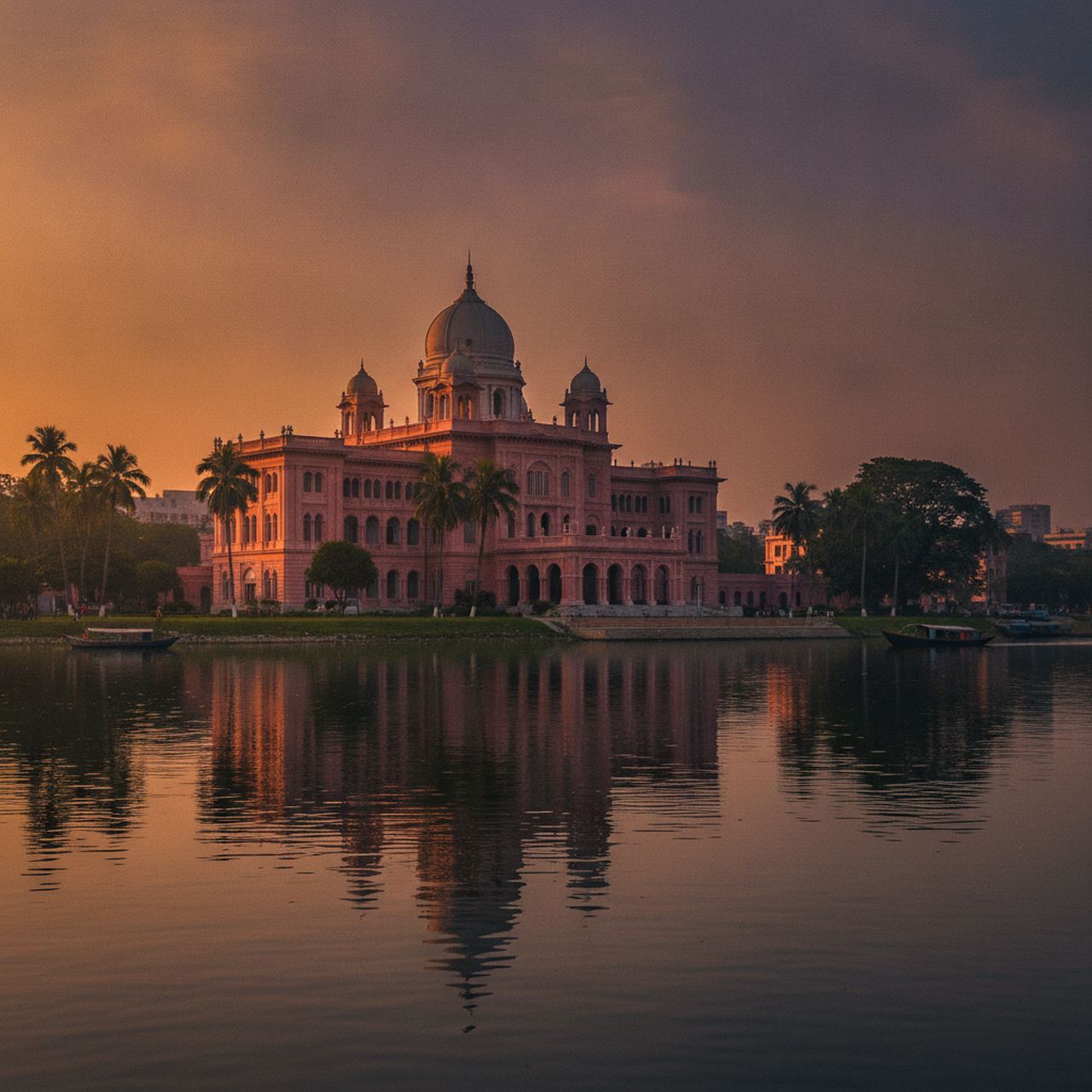
Ahsan Manzil
Explore the 'Pink Palace,' a stunning Indo-Saracenic monument on the Buriganga River that served as the grand seat of the Nawabs of Dhaka.
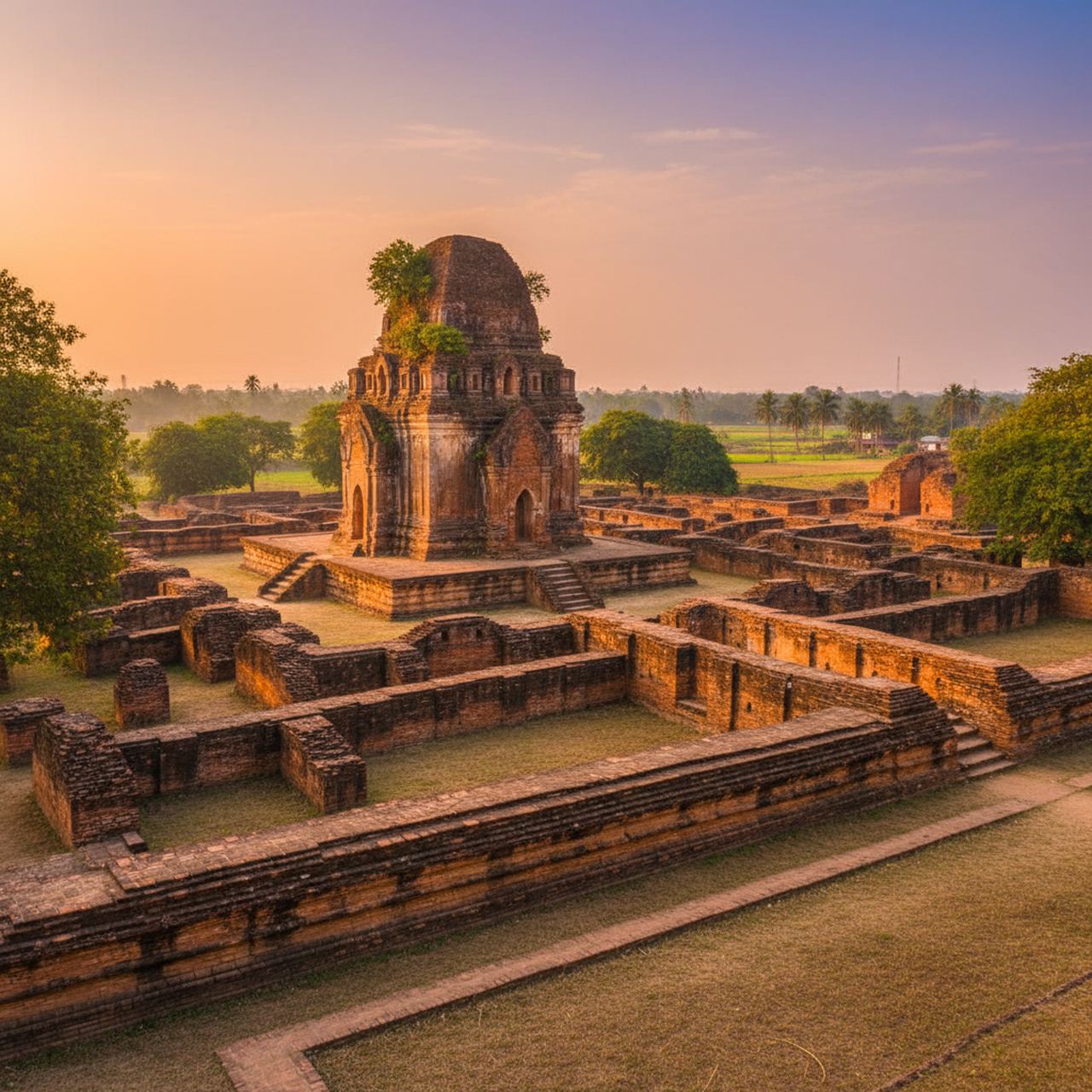
Somapura Mahavihara
Explore the majestic 8th-century ruins of Somapura Mahavihara, a UNESCO World Heritage site and a cradle of ancient Buddhist learning.