Overview
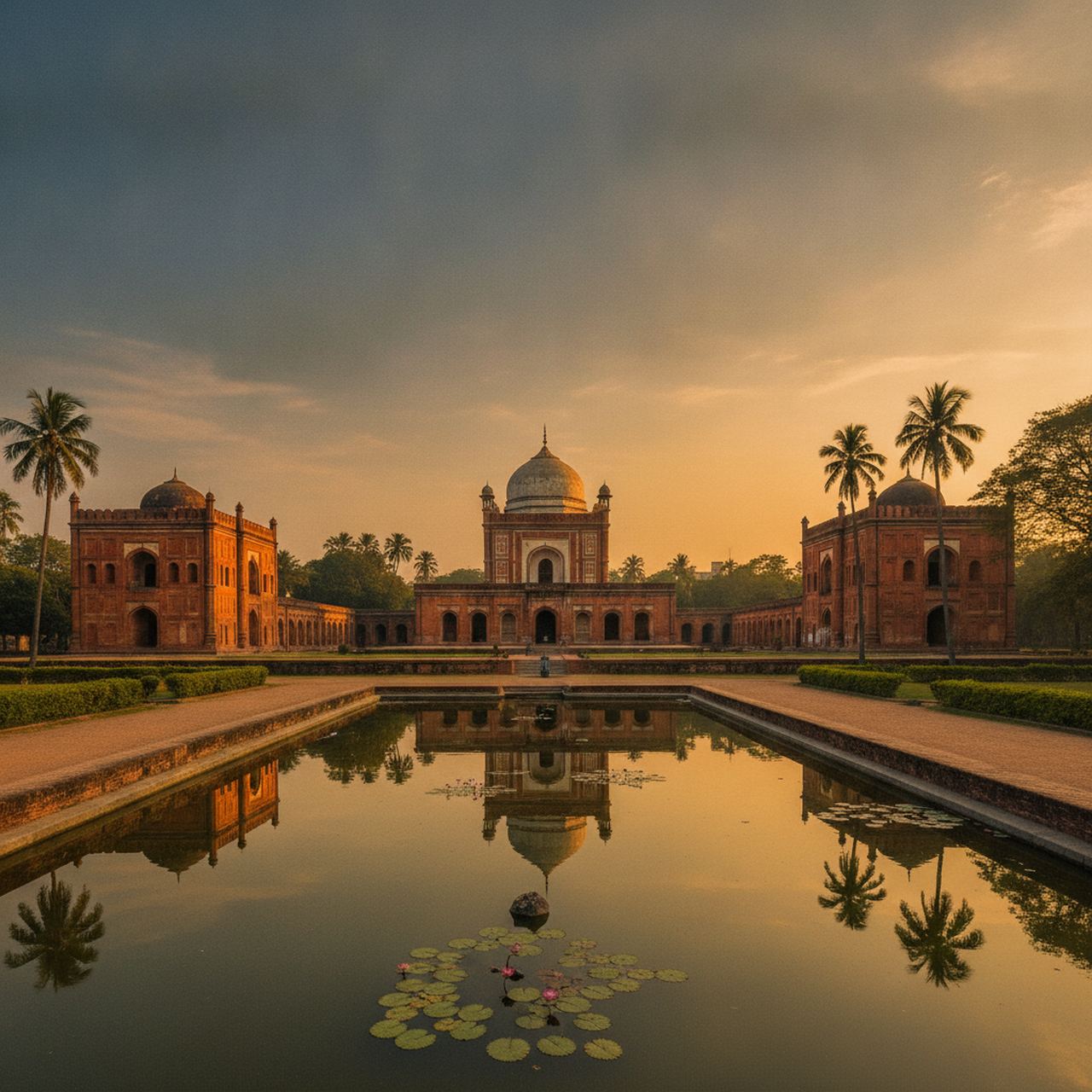
Lalbagh Fort is an unfinished but magnificent 17th-century Mughal palace-fortress that stands as a serene oasis amidst the chaotic energy of Old Dhaka. Traveling through its massive arched gateways, you are greeted by sprawling green lawns and symmetrical gardens that lead to three primary monuments: the Tomb of Pari Bibi, the Quilla Mosque, and the Diwan-i-Aam. The Tomb of Pari Bibi is particularly striking, featuring fine white marble and black basalt masonry, while the Diwan-i-Aam houses a museum showcasing Mughal-era weapons, coins, and calligraphy.
Walking through the complex, the atmosphere shifts from the dusty bustle of the city to a quiet, regal stillness. The fort’s unique underground tunnels, though mostly sealed for safety, add an air of mystery to the site. At dusk, the red terracotta walls glow under the setting sun, making it a favorite spot for photographers and history enthusiasts. It is one of the few places in the capital where you can truly visualize the architectural grandeur of the Mughal subahdars who once governed the Bengal frontier.
History & context
Construction began in 1678 under the direction of Prince Muhammad Azam, the son of Mughal Emperor Aurangzeb. However, the prince was recalled to Delhi before the project was finished. His successor, Shaista Khan, continued the work but stopped abruptly following the sudden death of his daughter, Pari Bibi (Fair Lady), which he viewed as a bad omen. Consequently, the fort remains an 'incomplete' masterpiece. Historically, it served as a site of significance during the 1857 Sepoy Mutiny, as native soldiers stationed here rose against British forces. Today, it stands as the most prominent symbol of Mughal rule in East Bengal.
Getting there
From central Dhaka (like Shahbagh or Motijheel), take a rickshaw or a ride-sharing service to Lalbagh. Expect heavy traffic in the narrow lanes of Old Dhaka; it is often faster to take a local bus to Azimpur and walk or take a short rickshaw ride to the fort gate.
Travel tips
- Arrive early in the morning to avoid the midday heat and the local crowds.
- Note that the site is closed on Sundays and half-day on Mondays.
- Carry your own water, as refreshment stalls inside are limited.
- Wear comfortable walking shoes to explore the large grounds and museum.
- Foreign tourists are required to pay a higher entry fee than locals; keep small change ready.
More heritage destinations
Ahsan Manzil
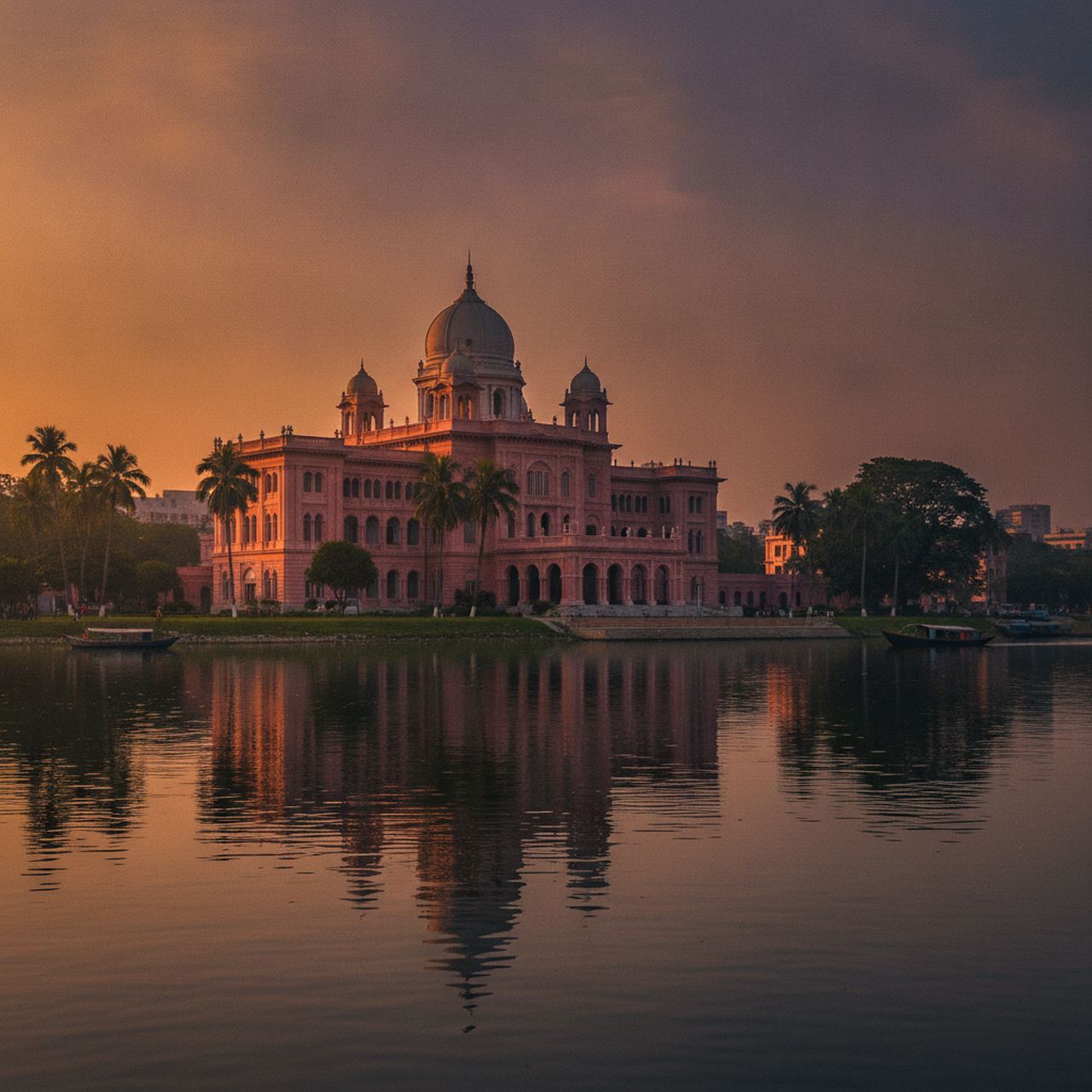
Explore the 'Pink Palace,' a stunning Indo-Saracenic monument on the Buriganga River that served as the grand seat of the Nawabs of Dhaka.
Somapura Mahavihara
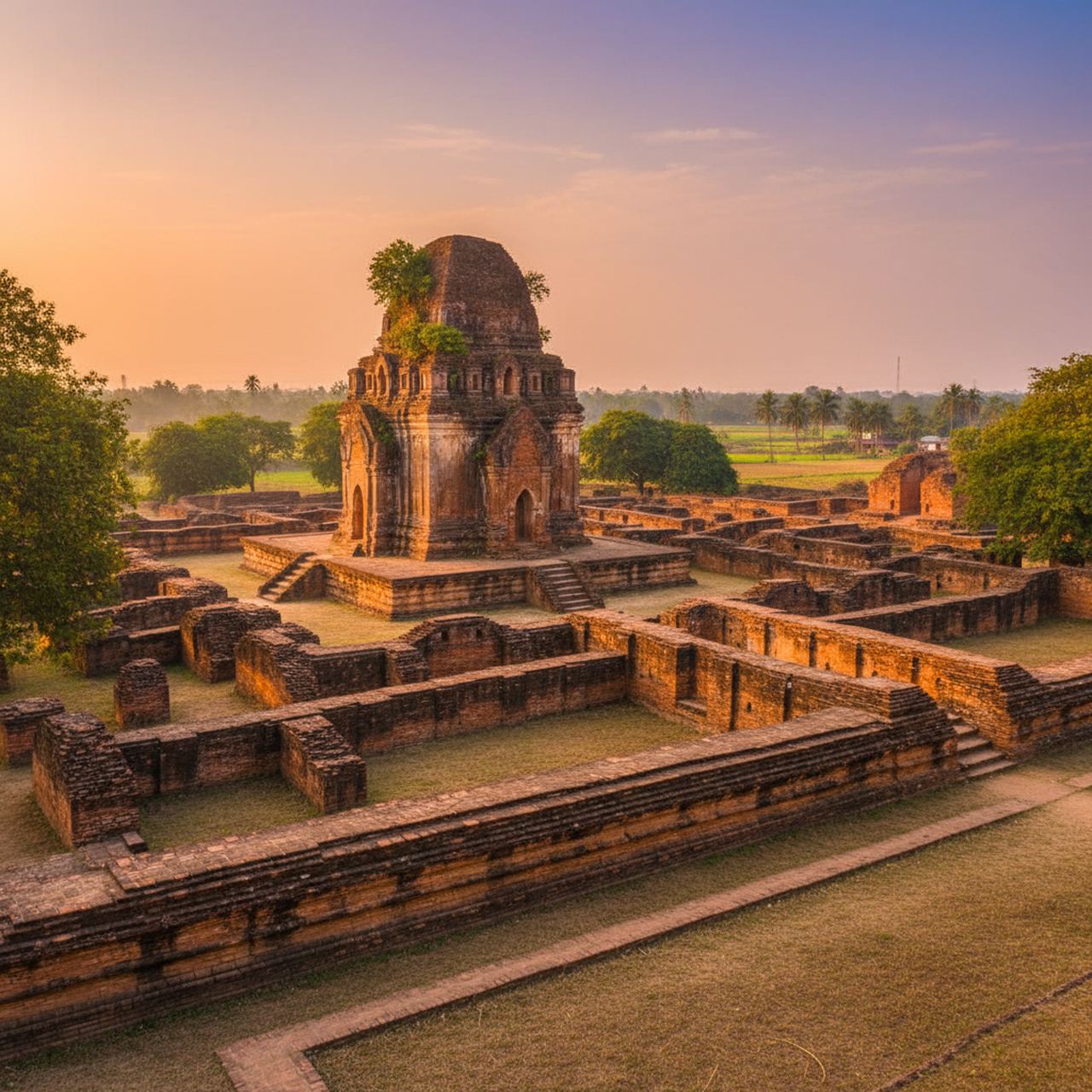
Explore the majestic 8th-century ruins of Somapura Mahavihara, a UNESCO World Heritage site and a cradle of ancient Buddhist learning.
Mahasthangarh
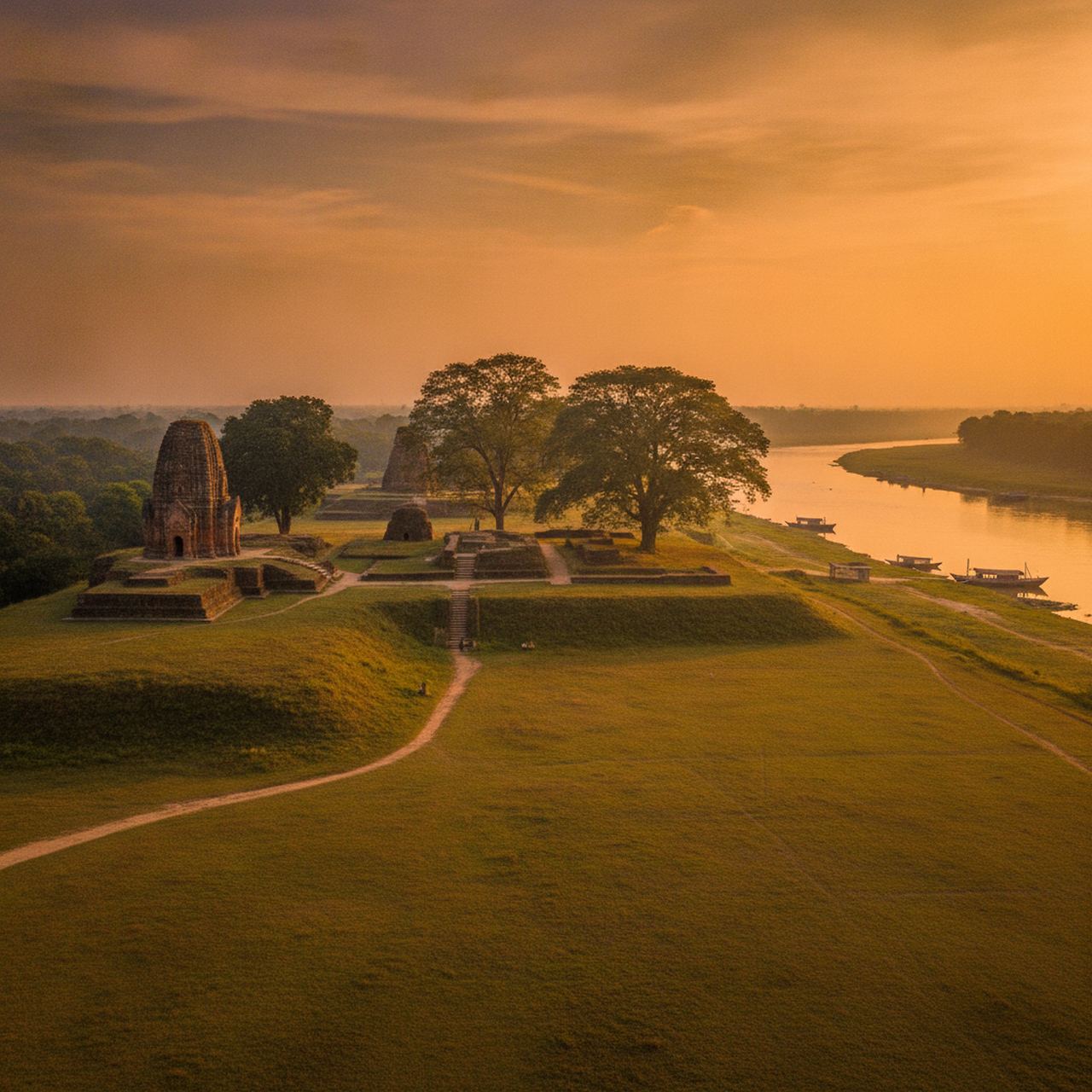
Explore the oldest urban ruins in Bangladesh, an ancient citadel of the Pundravardhana Kingdom dating back over 2,500 years.