Overview
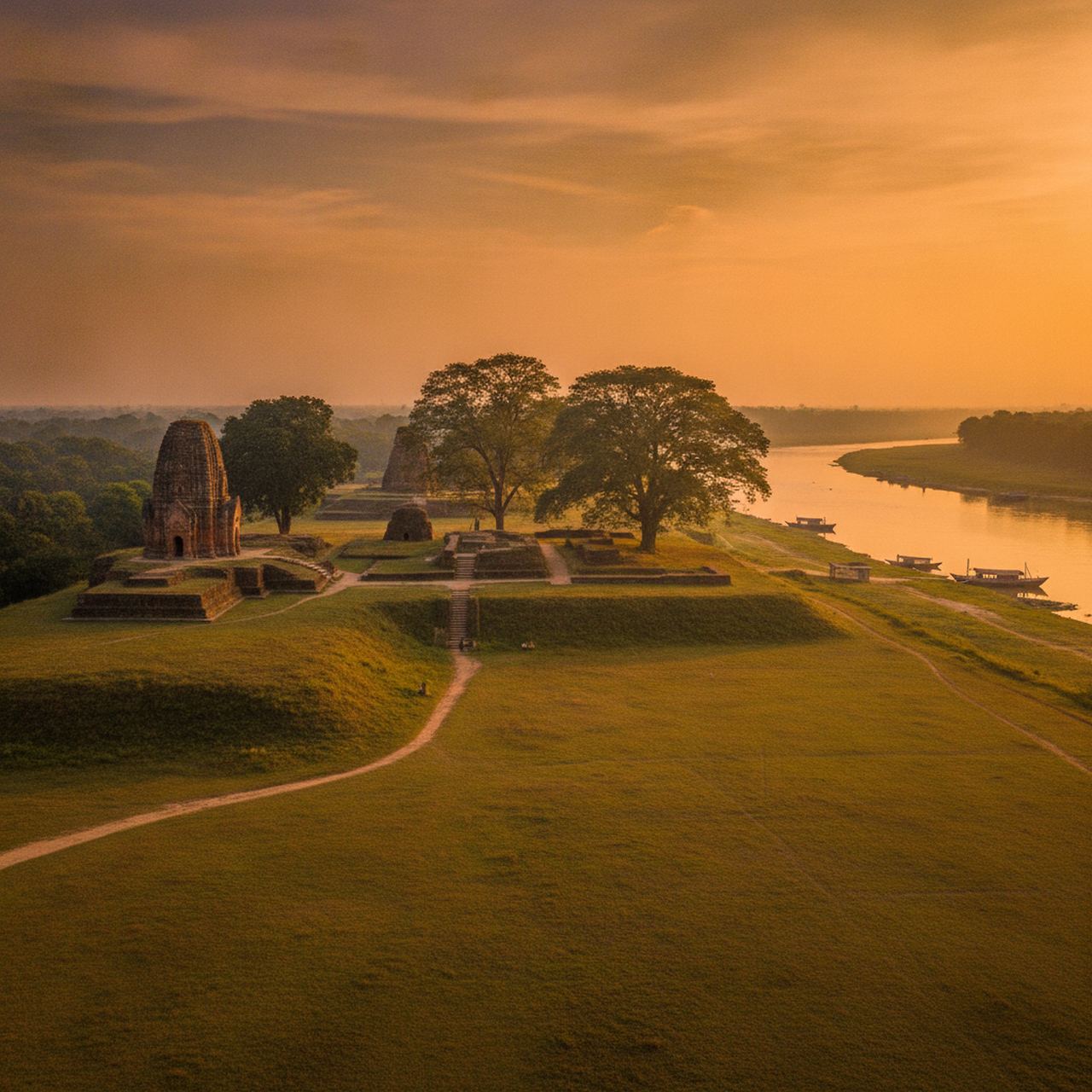
Walking through Mahasthangarh feels like stepping into the cradle of Bengal's urban civilization. The site is a massive fortified citadel, defined by its imposing mud and brick ramparts that overlook the Karatoya River. As you traverse the sprawling landscape, you encounter the foundational remains of temples, monasteries, and secular buildings that once formed a bustling metropolis. The sheer scale of the ruins, scattered across several square miles, evokes a profound sense of temporal depth, highlighting the rise and fall of various artistic and architectural styles over two millennia.
The site is punctuated by several significant mounds and excavations, such as the Govinda Bhita and the Vasu Vihara. A visit is incomplete without exploring the Mahasthangarh Museum, which houses a meticulously curated collection of artifacts recovered from the site, including intricate terracotta plaques, ancient coins, bronze statues, and stone inscriptions. The surrounding countryside is quiet and rural, offering a contemplative atmosphere for visitors to examine the weathered bricks and silent foundations that were once the heartbeat of the Varendra region.
History & context
Mahasthangarh, identified as the ancient city of Pundranagara, dates back to at least the 3rd century BCE. It served as the provincial capital for the Mauryan, Gupta, and Pala empires, making it one of the oldest archaeological sites in Bangladesh. For centuries, it was a melting pot of Buddhist, Hindu, and subsequent Muslim cultures. The fortification walls were reinforced multiple times across different eras to protect the city from invaders. By the 13th century, after the arrival of Sufi saint Shah Sultan Balkhi Mahisawar, whose shrine remains a major local landmark, the city’s political importance began to wane, eventually leaving these ruins as a testament to its former glory.
Getting there
Take a bus from Dhaka's Gabtoli or Mohakhali terminals heading toward Bogra, a journey of approximately 5 to 6 hours. From Bogra town, you can hire a CNG-run auto-rickshaw or take a local bus for the 13-kilometer trip north along the Rangpur highway to reach the main archaeological site.
Travel tips
- Hire a local authorized guide at the museum entrance to navigate the scattered mounds.
- Visit the Mahasthangarh Museum early in the day as it has specific closing hours and is closed on Sundays.
- Wear comfortable walking shoes; the site covers a large area of uneven terrain.
- Carry sufficient water and sun protection as there is limited shade within the citadel walls.
- Visit the nearby Gokul Medh (Behula’s Basar Ghar) for its unique honeycomb architecture.
More heritage destinations
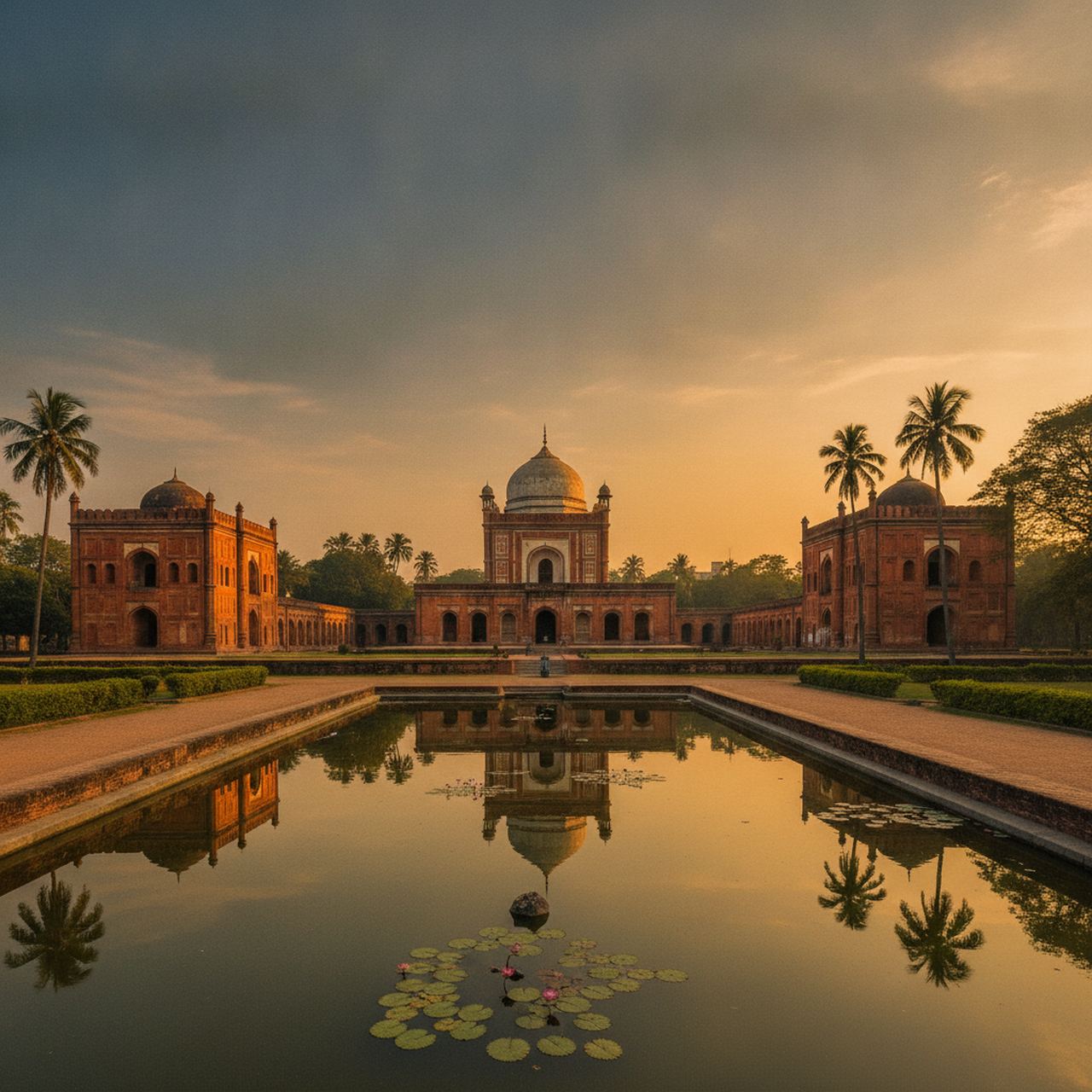
Lalbagh Fort
An iconic 17th-century Mughal fortress in Old Dhaka featuring grand monuments, lush gardens, and a storied royal history.
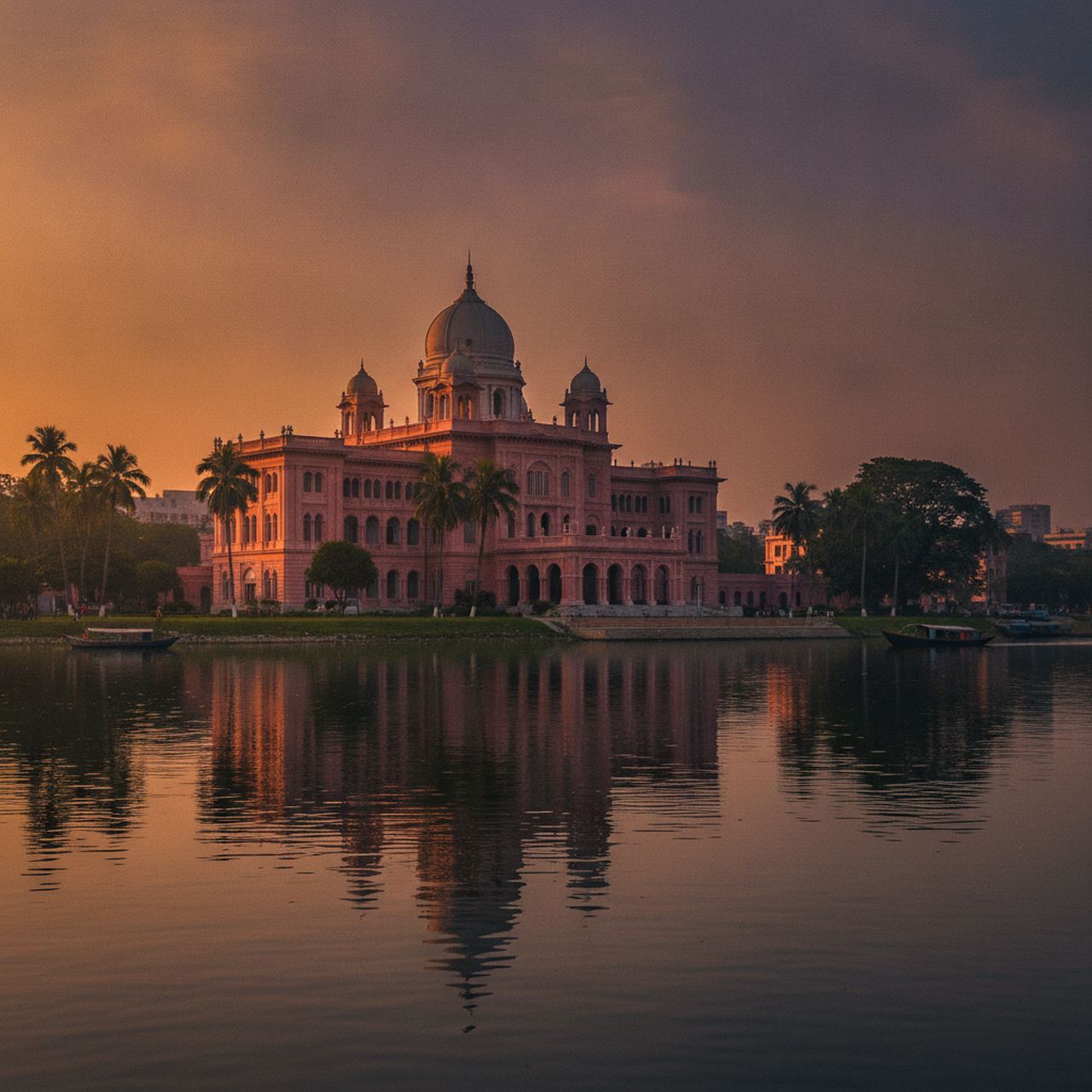
Ahsan Manzil
Explore the 'Pink Palace,' a stunning Indo-Saracenic monument on the Buriganga River that served as the grand seat of the Nawabs of Dhaka.
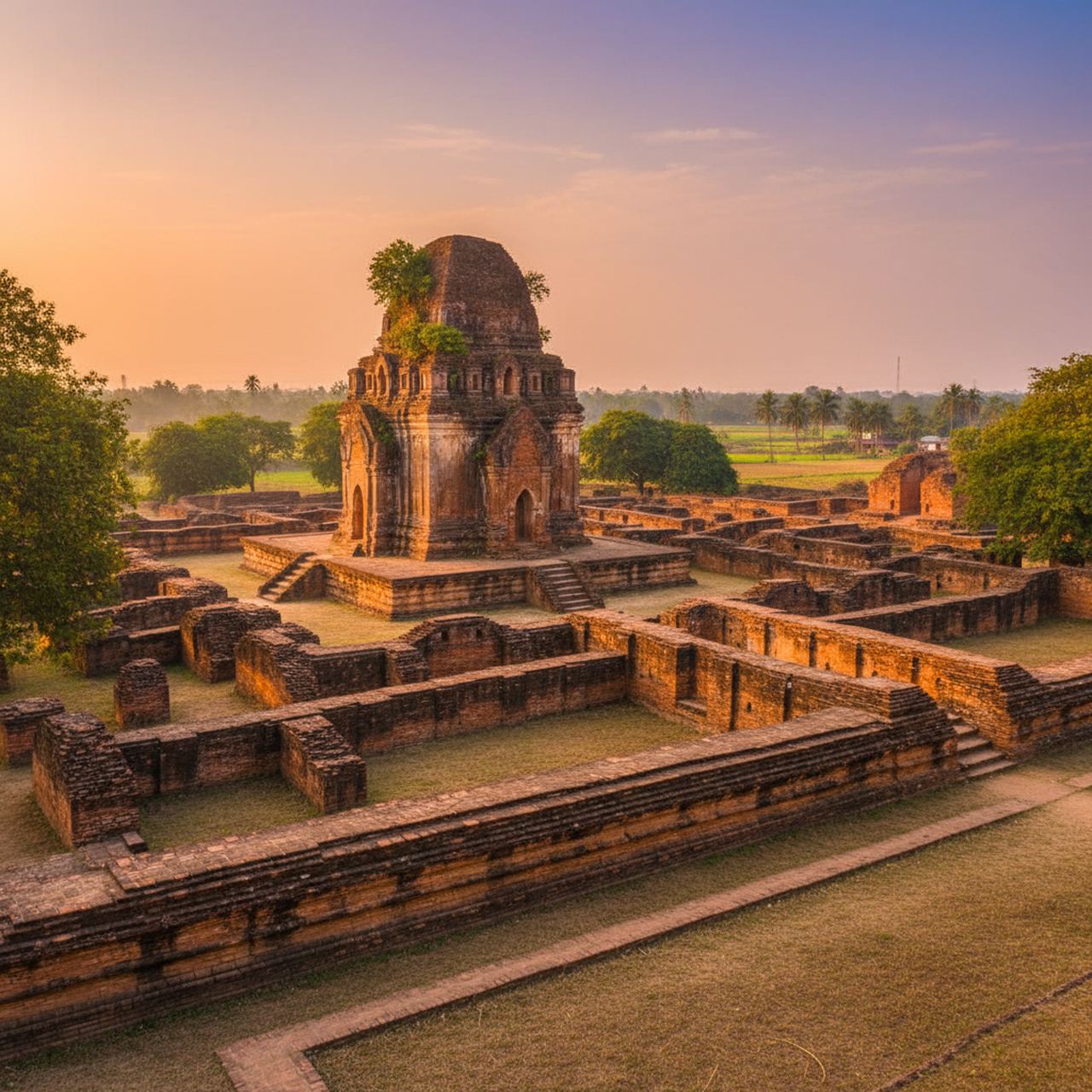
Somapura Mahavihara
Explore the majestic 8th-century ruins of Somapura Mahavihara, a UNESCO World Heritage site and a cradle of ancient Buddhist learning.