Overview
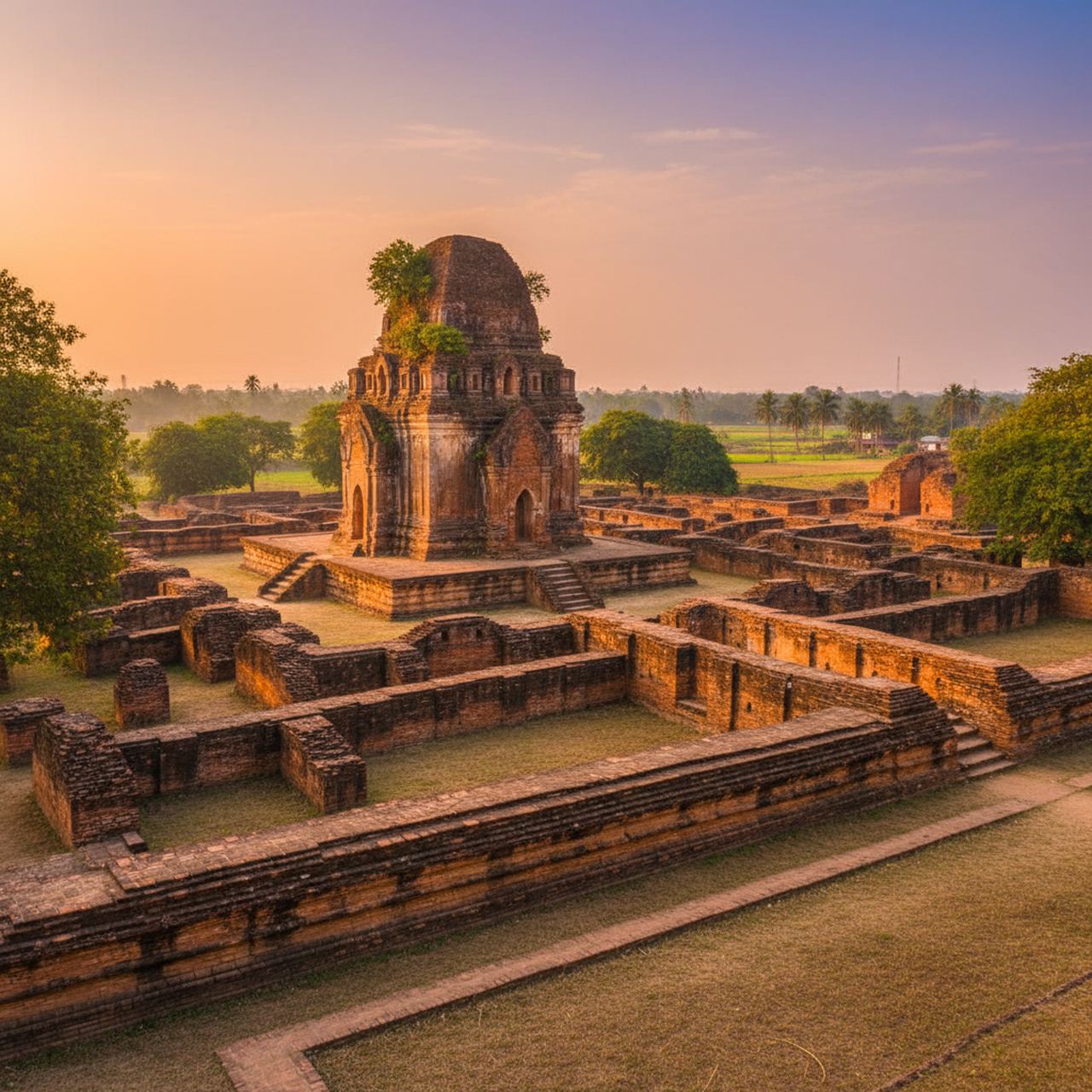
Somapura Mahavihara, located in Paharpur, is one of the most significant archaeological sites in South Asia. As you approach the massive quadrangle, the sight of the central cruciform temple rising from the emerald green plains is breath-taking. The complex spans over 27 acres, featuring a vast courtyard surrounded by 177 monastic cells that once housed monks and scholars from across the ancient world. Walking through the ruins, you can feel the weight of centuries in the intricate terracotta plaques that still adorn the base of the walls, depicting everything from celestial beings to daily rural life.
The atmosphere is one of profound stillness, offering a glimpse into the intellectual and spiritual life of the 8th century. Visitors can explore the remains of the administrative buildings, stupas, and communal kitchens that supported this ancient university. The onsite museum houses a remarkable collection of stone sculptures, coins, and pottery recovered during excavations, providing a tangible link to the Pala dynasty’s golden age. It is a place where architecture and philosophy converge, inviting deep reflection on the region's scholarly heritage.
History & context
Built by the second Pala King, Dharmapala, in the late 8th century, Somapura Mahavihara was a premier center for Buddhist learning for over four hundred years. It served as a vital intellectual bridge between the Indian subcontinent and Tibet, influencing the architectural styles of Southeast Asian temples like Borobudur and Pagan. The site represents the pinnacle of the 'Pala School of Art,' characterized by its unique cruciform basement and terracotta ornamentation. After the decline of the dynasty and subsequent regional shifts, the monastery was eventually abandoned and reclaimed by the earth, remaining as a massive mound known locally as 'Pahar' (hill) until excavations began in the early 20th century. In 1985, it was designated a UNESCO World Heritage site.
Getting there
From Dhaka, the most efficient route is to take a train or bus to Joypurhat or Naogaon district. Several intercity trains depart from Kamalapur Railway Station towards Joypurhat daily. From Joypurhat, the site is approximately 13 kilometers away and can be easily reached via a private car, auto-rickshaw (CNG), or local bus. Alternatively, one can travel to Rajshahi city and take a three-hour drive to the ruins.
Travel tips
- Hire a local certified guide specifically to explain the narratives within the terracotta plaques.
- Visit the onsite museum first to understand the context of the artifacts before exploring the grounds.
- Carry an umbrella and plenty of water as there is very little shade within the central ruins.
- Wear comfortable walking shoes suitable for uneven grass and stone paths.
- Plan to arrive early in the morning to avoid the midday heat and larger crowds.
More heritage destinations
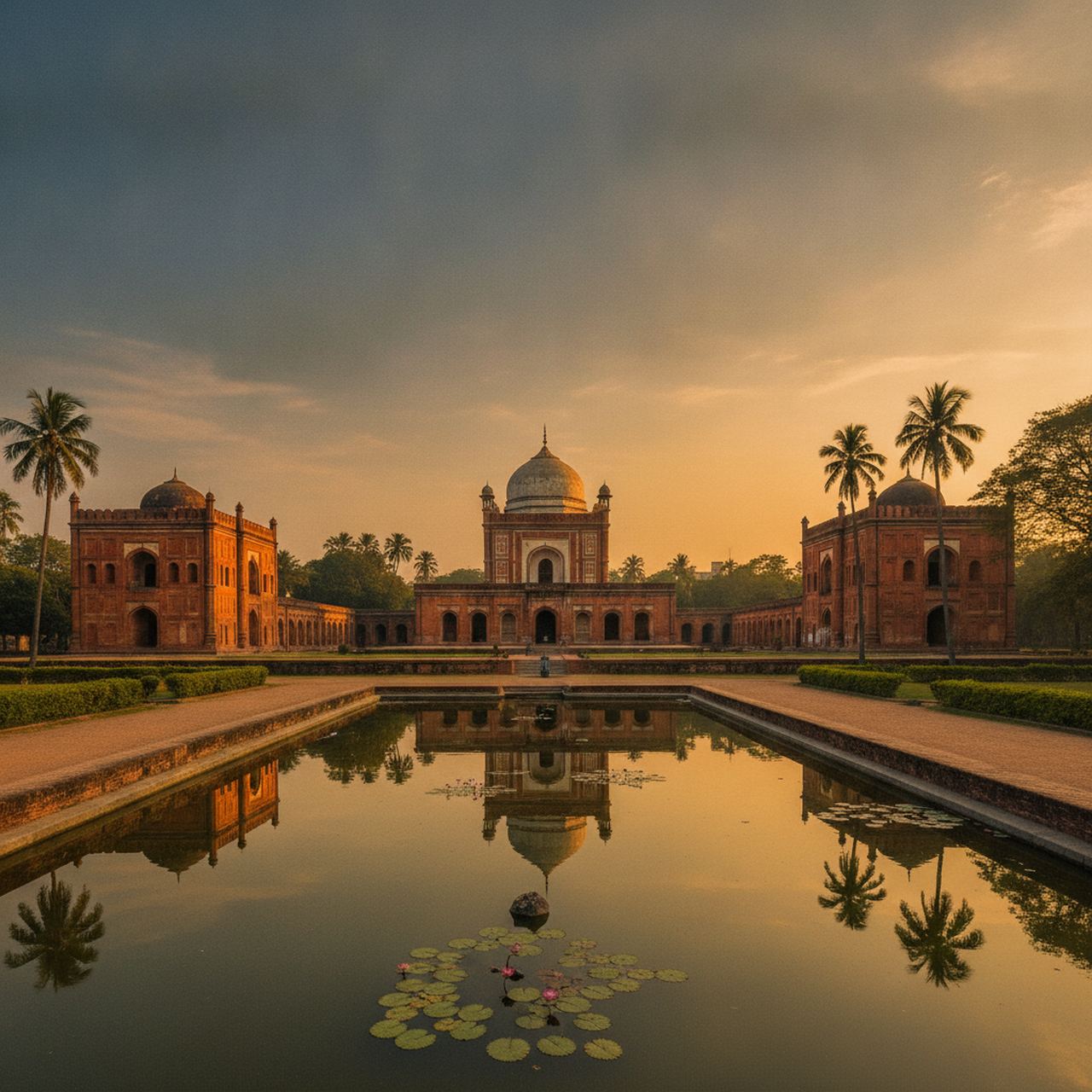
Lalbagh Fort
An iconic 17th-century Mughal fortress in Old Dhaka featuring grand monuments, lush gardens, and a storied royal history.
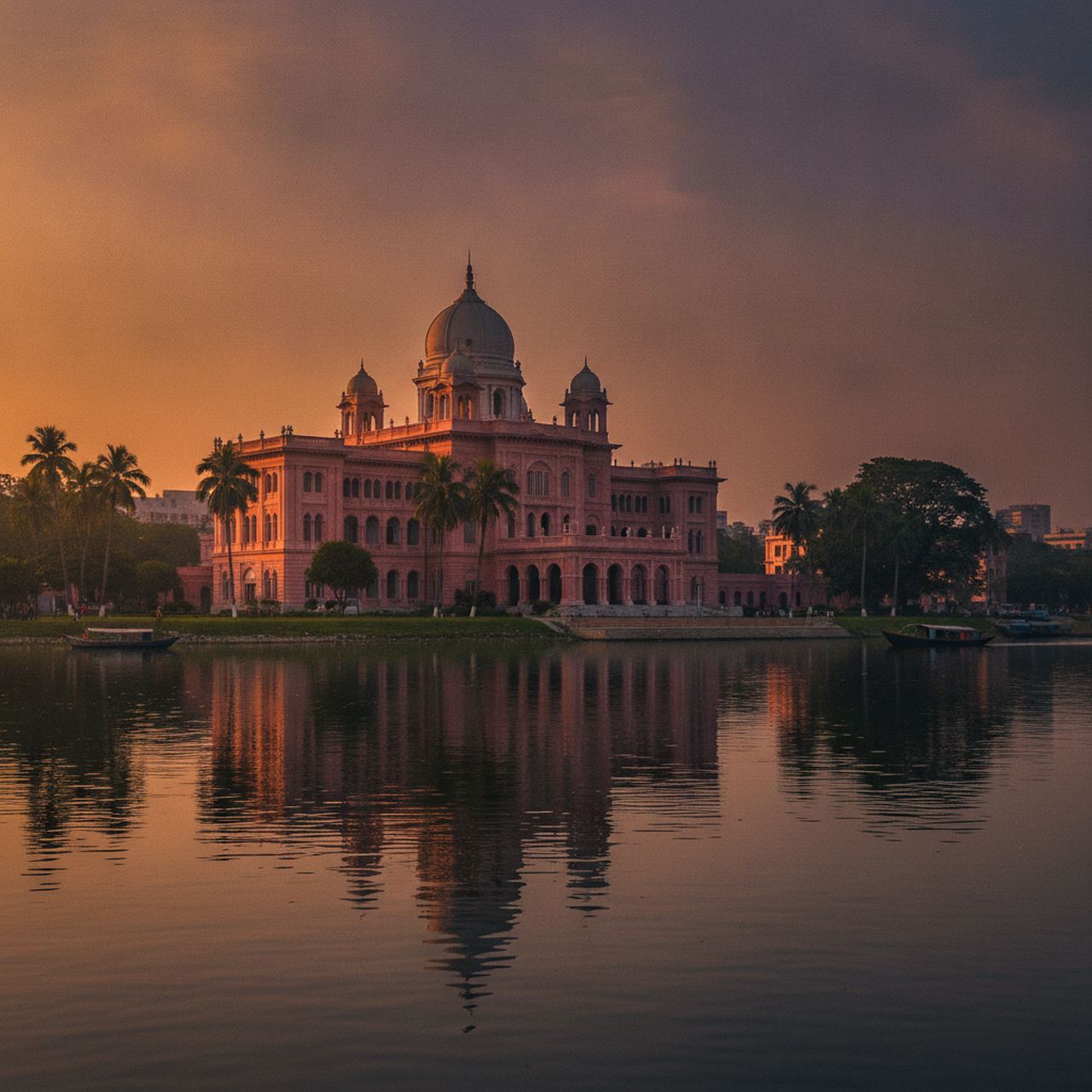
Ahsan Manzil
Explore the 'Pink Palace,' a stunning Indo-Saracenic monument on the Buriganga River that served as the grand seat of the Nawabs of Dhaka.
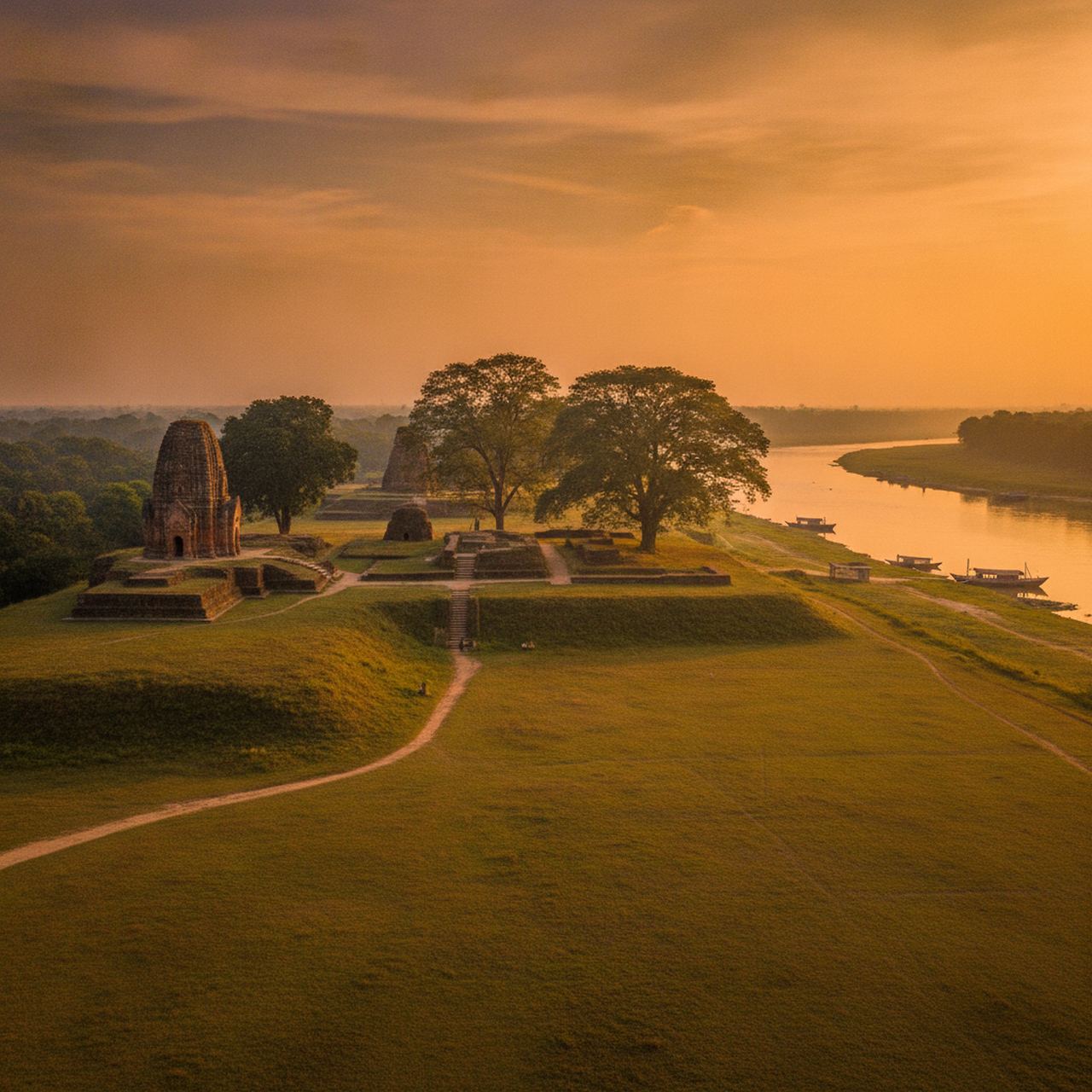
Mahasthangarh
Explore the oldest urban ruins in Bangladesh, an ancient citadel of the Pundravardhana Kingdom dating back over 2,500 years.