Overview
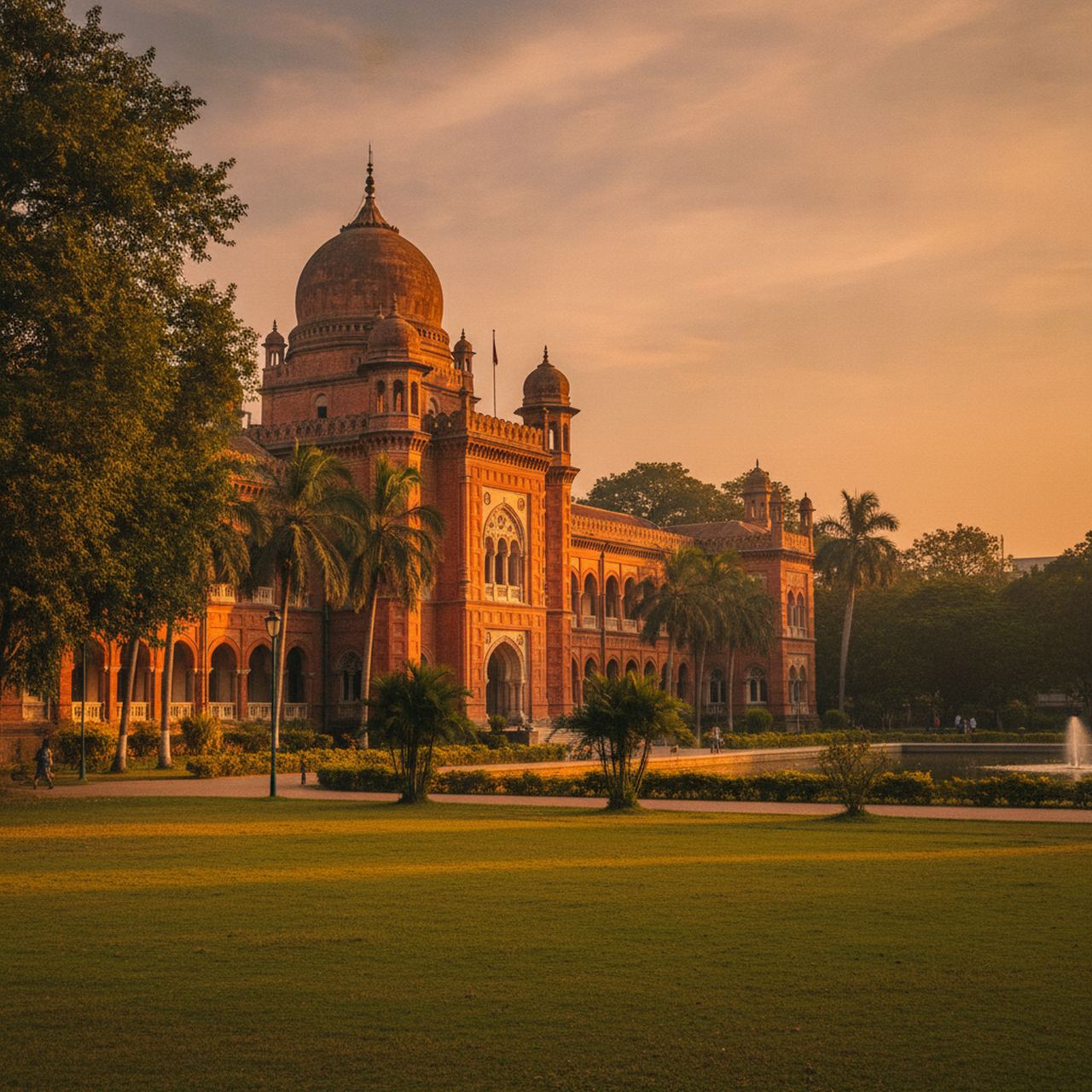
Curzon Hall stands as an architectural masterpiece and a centerpiece of the University of Dhaka. As you approach, the building’s brilliant red brickwork and grand arches immediately command attention, showcasing a unique fusion of Mughal aesthetics and European colonial design. The structure is characterized by its intricate lattice work, domed kiosks, and symmetrical layout, surrounded by well-maintained gardens and ancient trees that provide a serene escape from the city’s bustling traffic.
Visitors can walk through the expansive corridors and feel the weight of history in the high-ceilinged halls. The atmosphere is one of intellectual gravity, balanced by the vibrant energy of students moving between classes. While the interior primarily serves the Faculty of Science, the exterior and the surrounding lawn offer countless vantage points for photography and quiet contemplation of one of South Asia’s most beautiful educational landmarks.
History & context
Originally intended to be a town hall, the foundation stone was laid in 1904 by Lord Curzon, the then Viceroy of India. Following the Partition of Bengal in 1905, it served as the home of the Dhaka College, and later became a focal point for the University of Dhaka upon its establishment in 1921. Curzon Hall holds significant political importance as a cradle of the Bengali Language Movement; it was here in 1948 that students first staged a formal protest against the imposition of Urdu as the sole state language, marking a pivotal moment in the journey toward Bangladesh's independence.
Getting there
Located in the heart of Dhaka near the High Court, Curzon Hall is easily accessible by rickshaw or ride-sharing services from any part of the city. If traveling from the Hazrat Shahjalal International Airport, a taxi or bus heading toward Shahbagh or Gulistan will drop you within walking distance of the university campus.
Travel tips
- Visit during the early morning for the best photography lighting and fewer crowds.
- Maintain silence and respect the academic environment as classes are often in session.
- Dress modestly as it is an active university campus.
- Combine your visit with nearby sites like the National Museum and Shahid Minar.
- Photography of the exterior is generally allowed, but ask for permission before entering laboratories or offices.
More heritage destinations
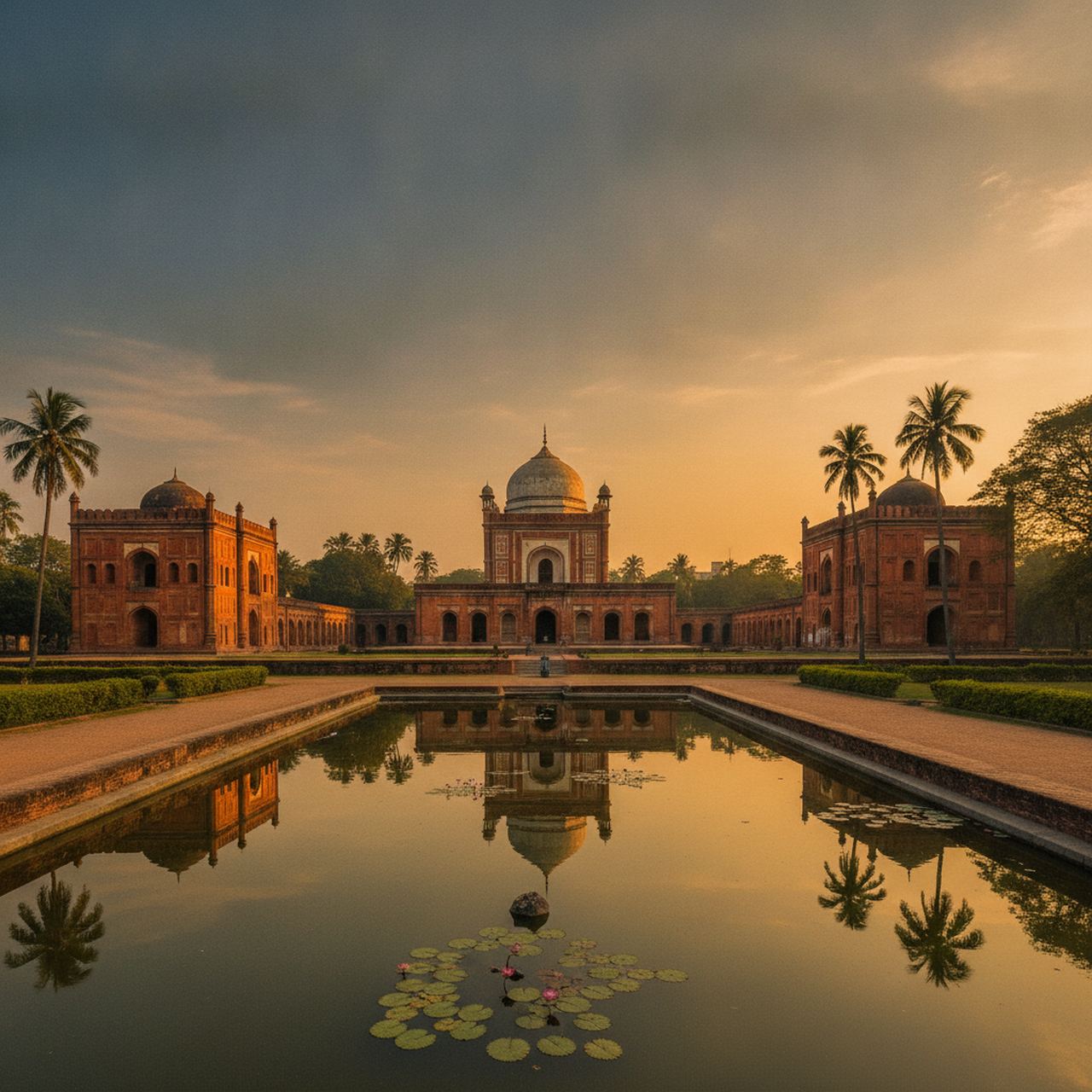
Lalbagh Fort
An iconic 17th-century Mughal fortress in Old Dhaka featuring grand monuments, lush gardens, and a storied royal history.
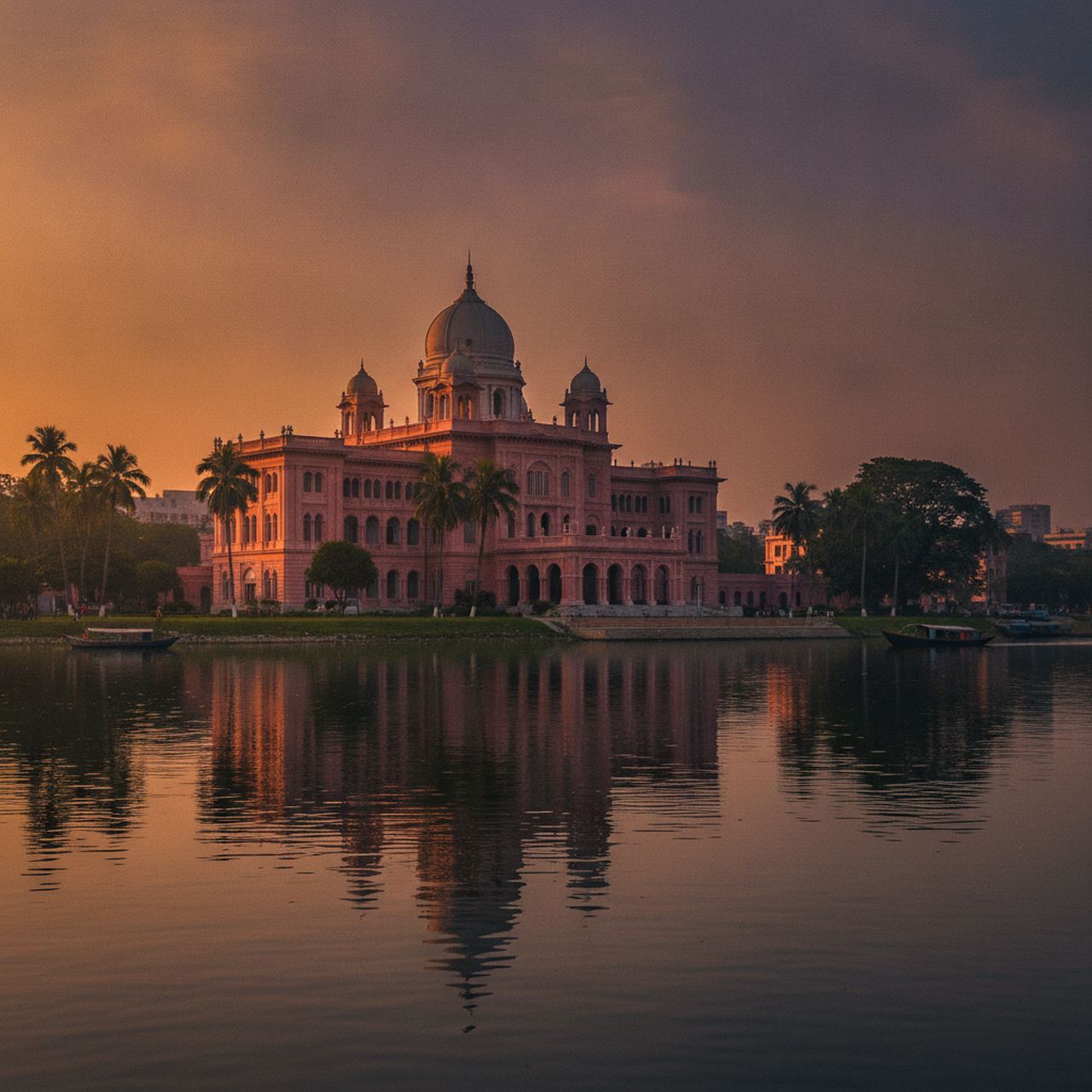
Ahsan Manzil
Explore the 'Pink Palace,' a stunning Indo-Saracenic monument on the Buriganga River that served as the grand seat of the Nawabs of Dhaka.
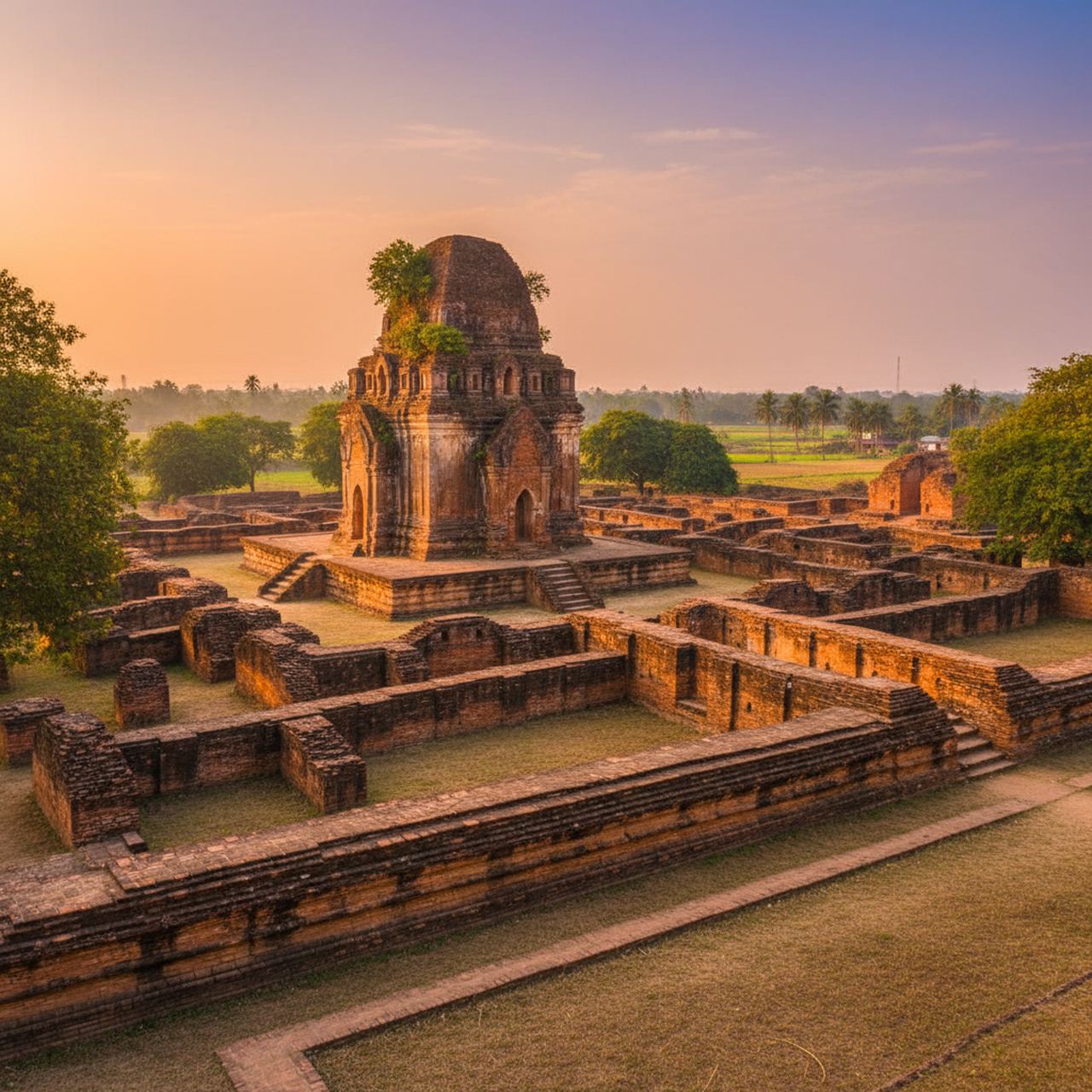
Somapura Mahavihara
Explore the majestic 8th-century ruins of Somapura Mahavihara, a UNESCO World Heritage site and a cradle of ancient Buddhist learning.