Overview
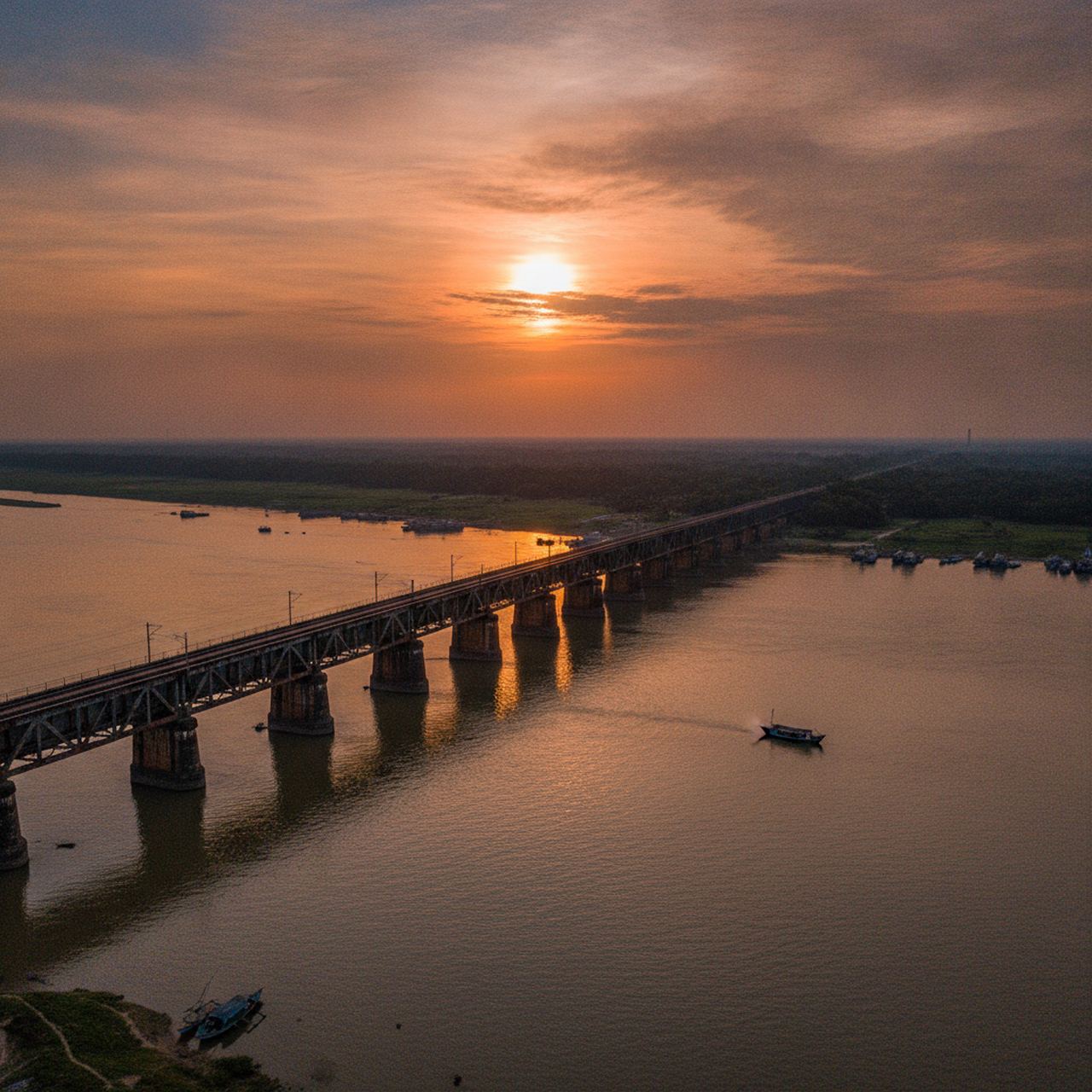
Spanning the mighty Padma River, Hardinge Bridge is a masterpiece of early 20th-century railway engineering. The structure consists of 15 massive steel trusses that stretch nearly two kilometers, connecting Paksey and Bheramara. Standing on the banks of the river, visitors are treated to a rhythmic industrial symphony as trains rattle across the steel girders. The surrounding area of Paksey offers a lush, park-like atmosphere with giant rain trees and colonial-era bungalows that evoke a sense of bygone grandeur.
Watching a sunset from the riverbank provides a striking contrast between the rigid, rusted steel of the bridge and the soft, shifting currents of the Padma. Nearby, the Lalon Shah Bridge offers a parallel view, allowing photographers to capture the Hardinge Bridge in its full architectural profile. The breeze off the water and the sight of local fishing boats navigating the massive concrete piers create a serene yet powerful atmosphere that celebrates both human ingenuity and the scale of Bangladesh’s river systems.
History & context
Commissioned during the British Raj to facilitate trade and transport, construction of the bridge began in 1910 and was completed in 1912, with official inauguration in 1915. It was named after Lord Hardinge, the then Viceroy of India. The chief engineer, Robert Gales, designed the bridge to withstand the unpredictable currents of the Padma, which at the time was one of the most significant engineering challenges in the world. During the Bangladesh Liberation War in 1971, the bridge suffered significant damage from an airstrike but was meticulously restored to its original glory shortly after the country gained independence.
Getting there
Take a train or bus from Dhaka toward Ishwardi or Rajshahi. The bridge is located at Paksey, which is about a 15-minute rickshaw or auto-rickshaw ride from the Ishwardi railway station.
Travel tips
- Visit during the late afternoon to catch the sunset behind the steel trusses.
- Walk along the Paksey side to see colonial-era railway bungalows and old trees.
- Do not attempt to walk on the railway tracks of the bridge for safety and legal reasons.
- Combine the trip with a visit to the nearby Lalon Shah Bridge for panoramic views.
- Carry water and snacks, as formal dining options are limited directly by the riverbank.
More heritage destinations
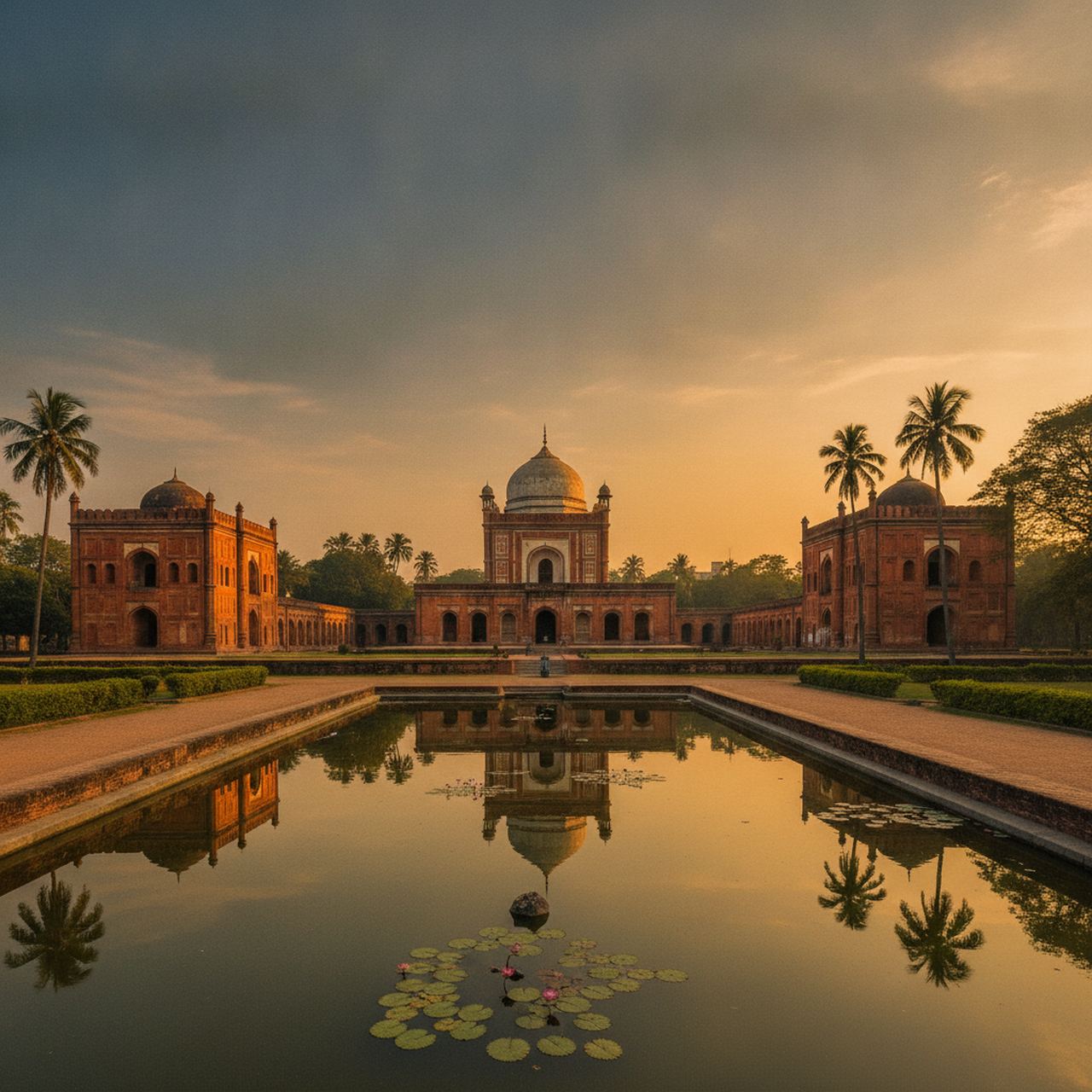
Lalbagh Fort
An iconic 17th-century Mughal fortress in Old Dhaka featuring grand monuments, lush gardens, and a storied royal history.
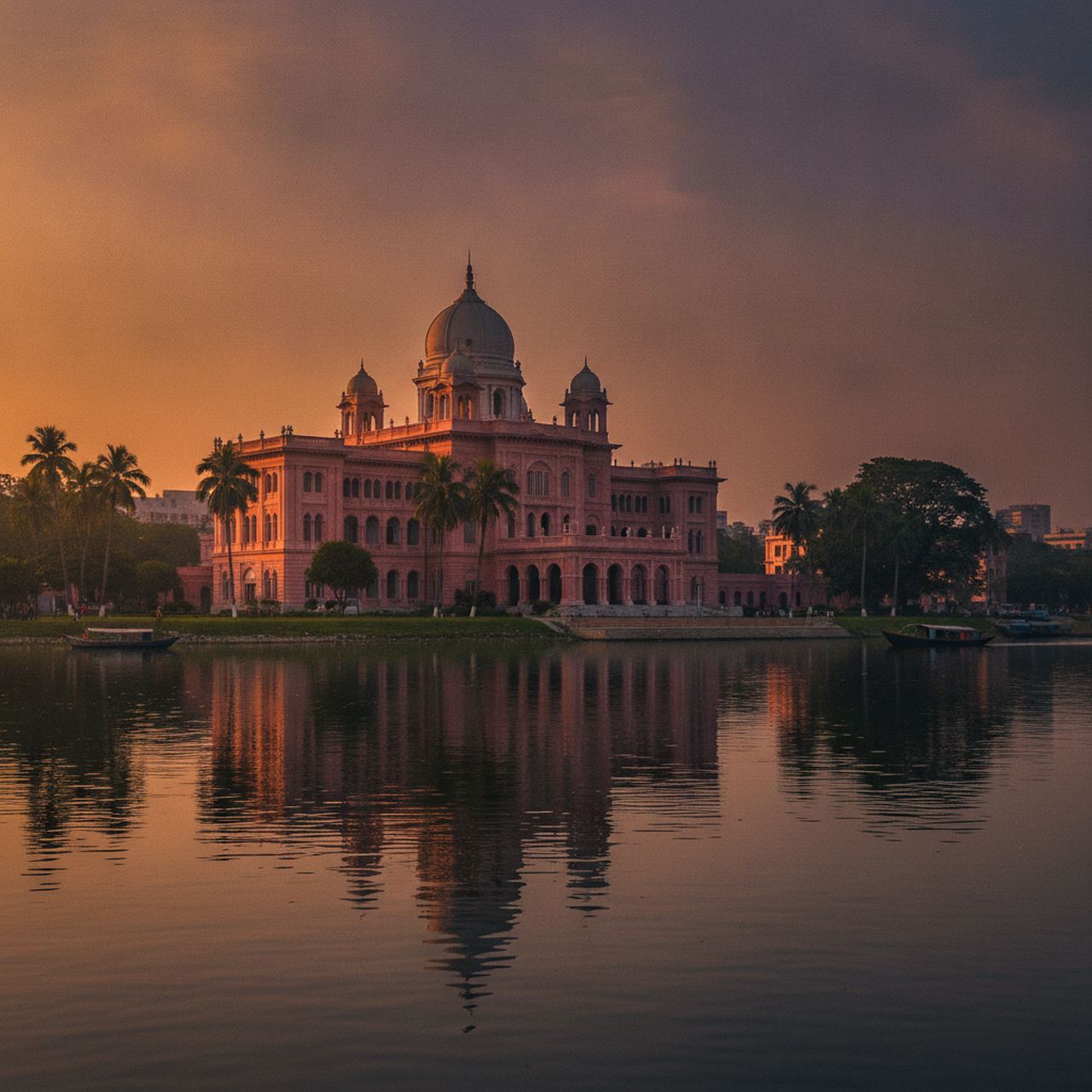
Ahsan Manzil
Explore the 'Pink Palace,' a stunning Indo-Saracenic monument on the Buriganga River that served as the grand seat of the Nawabs of Dhaka.
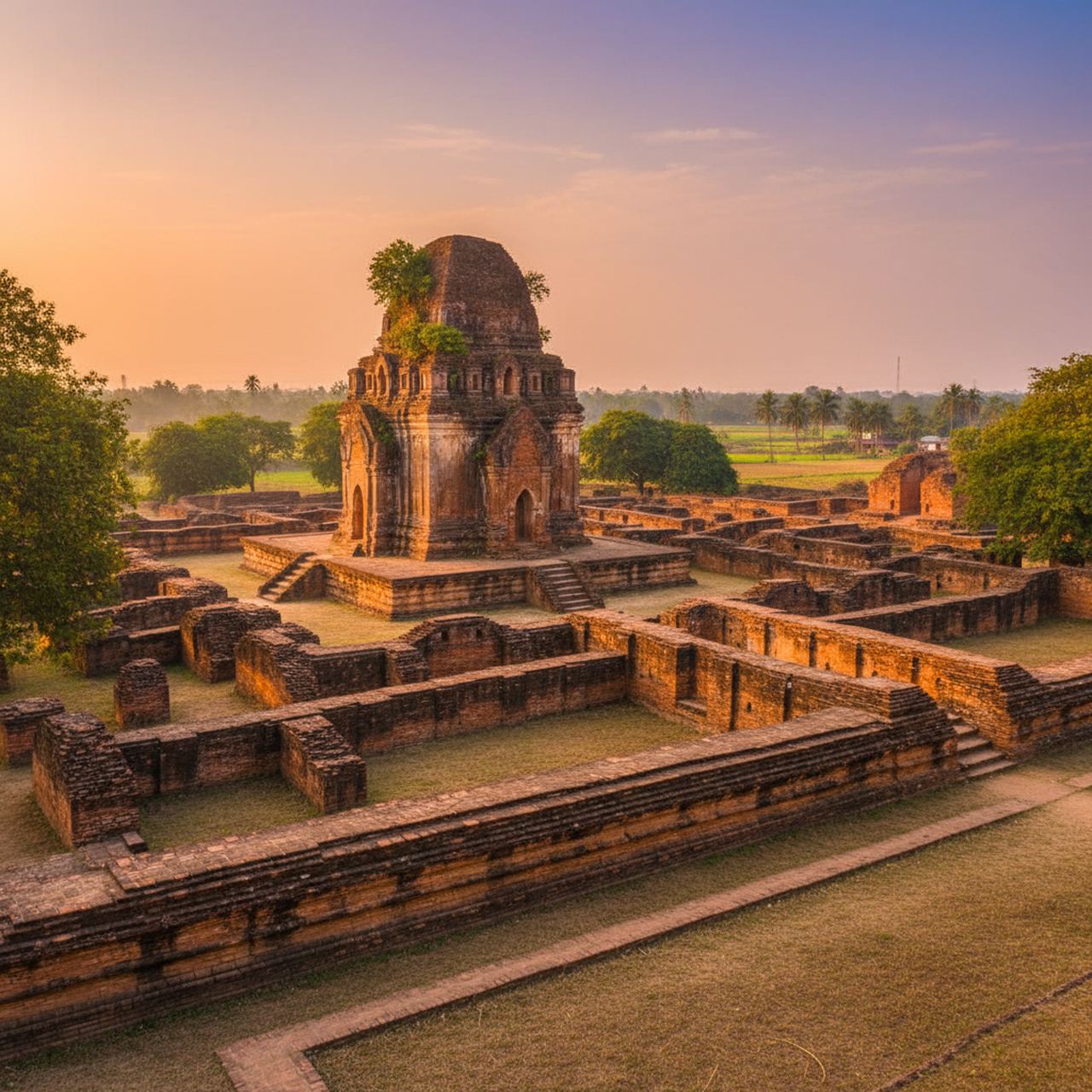
Somapura Mahavihara
Explore the majestic 8th-century ruins of Somapura Mahavihara, a UNESCO World Heritage site and a cradle of ancient Buddhist learning.