Overview
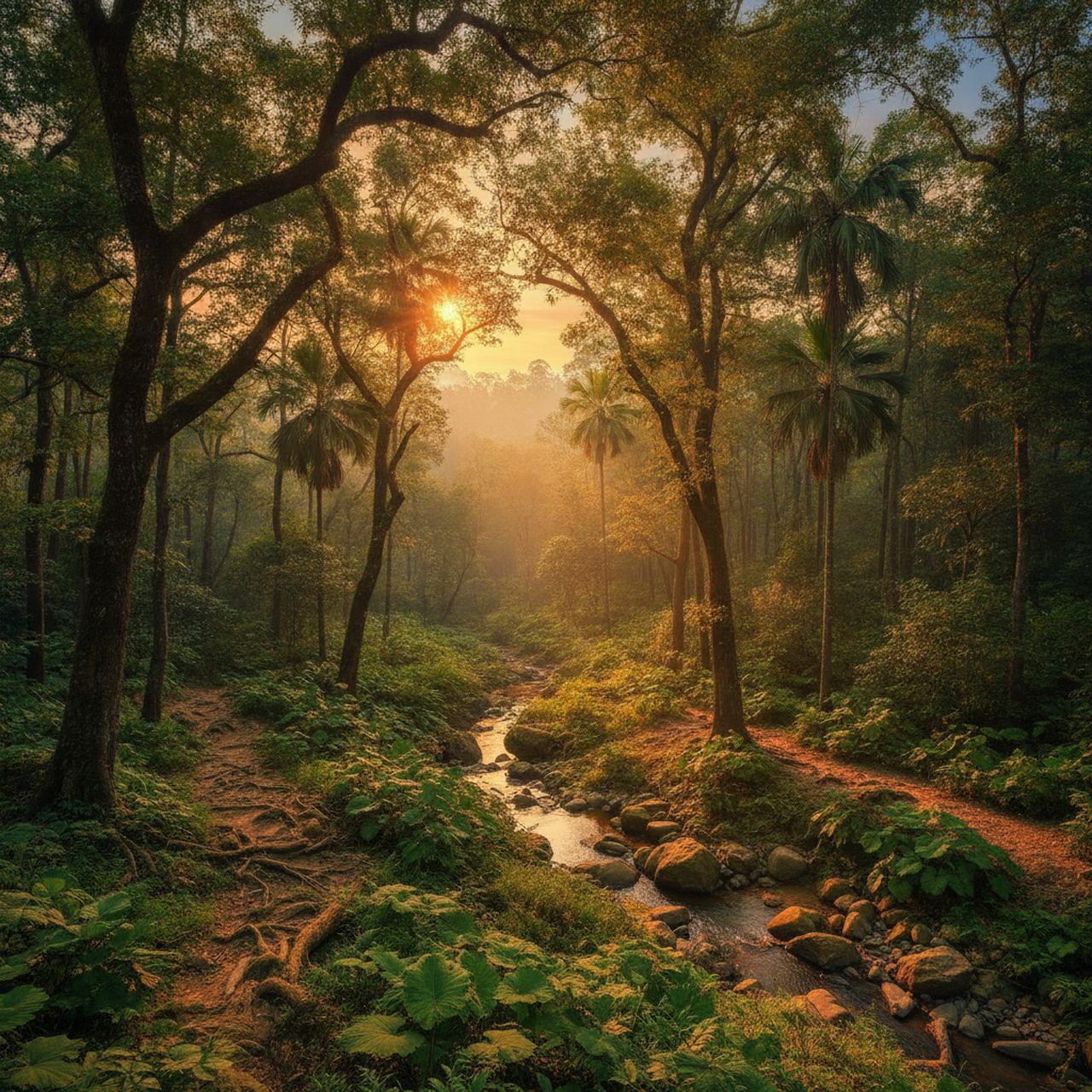
Lawachara National Park is a lush remnant of the once-vast tropical semi-evergreen forests of the Sylhet region. As you step into the dense canopy, the temperature drops and the air fills with the sounds of a vibrant ecosystem. The park is a sanctuary for biodiversity, most notably the endangered Western Hoolock Gibbon, whose distinctive calls often echo through the trees at dawn. Narrow walking trails wind through towering teak, mahogany, and bamboo groves, offering glimpses of rare orchids and a variety of bird species including the Oriental Pied Hornbill.
The experience of Lawachara is sensory and immersive. The sunlight filters through the thick foliage in golden shafts, illuminating the vibrant green moss and ferns that blanket the forest floor. A unique feature of the park is the railway track that cuts through the heart of the forest; watching a train slowly pass through the green tunnel is a surreal and iconic sight. Whether you are a dedicated birdwatcher or a nature enthusiast, the park offers a profound sense of tranquility and a rare look at Bangladesh's wild heritage.
History & context
Originally part of the West Bhanugach Reserved Forest, Lawachara was formally designated as a National Park in 1996 under the Wildlife Act. The area serves as a critical biological corridor and a remnant of the hill forests that historically spanned the Indo-Burma biodiversity hotspot. Beyond its biological importance, the park is home to indigenous communities, including the Khasia people. They have lived in 'Punji' (villages) within and around the forest for generations, maintaining a lifestyle centered on betel leaf cultivation while acting as traditional stewards of the land.
Getting there
Take a train or bus from Dhaka to Srimangal, which serves as the gateway to the forest. From Srimangal town, the park is approximately 8 kilometers away and can be easily reached via a short ride in a local CNG-powered auto-rickshaw or a rented jeep.
Travel tips
- Hire a local forest guide at the entrance for the best chance to spot wildlife.
- Visit early in the morning (around 6:00 AM) when the animals are most active.
- Maintain absolute silence while walking the trails to avoid disturbing the fauna.
- Wear sturdy walking shoes and bring insect repellent to protect against leeches during the rains.
- Carry water and snacks but ensure you take all trash back out with you.
More forest destinations

Sundarbans
The world's largest mangrove forest, home to the Royal Bengal Tiger and a labyrinth of tidal rivers in the Bay of Bengal.

Srimangal Tea Gardens
Explore the undulating emerald hills of Bangladesh’s tea capital and the biodiversity of the surrounding ancient rainforests.

Ratargul Swamp Forest
Experience the 'Amazon of Bangla' in this ethereal freshwater swamp forest, where lush trees rise directly from the emerald waters.