Overview
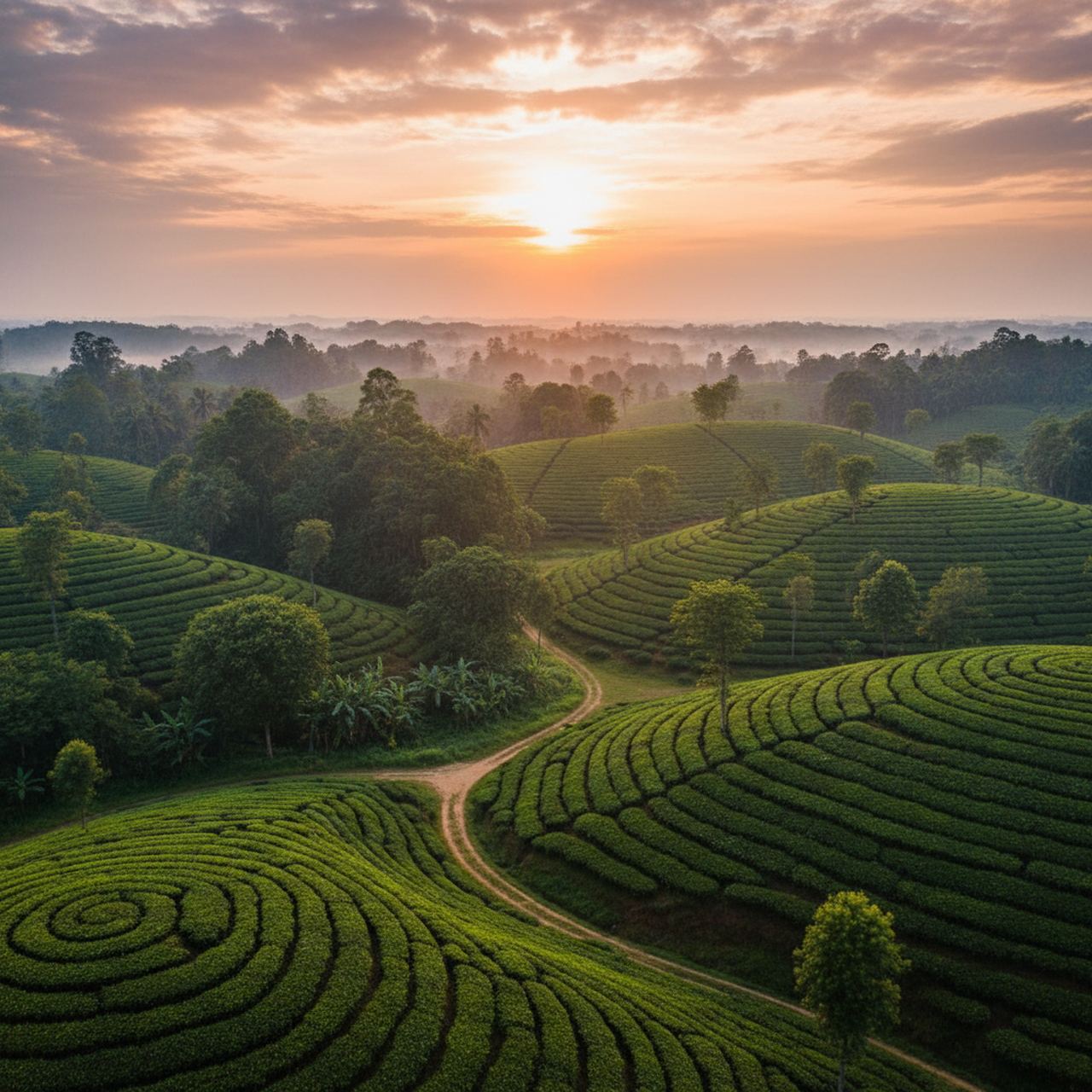
Commonly referred to as the tea capital of Bangladesh, Srimangal is a lush emerald landscape of rolling hills covered in manicured tea bushes. As you wander through the estates, you are greeted by the rhythmic sight of tea workers skillfully plucking leaves against a backdrop of ancient trees and rubber plantations. The air here is noticeably cooler and cleaner, carrying the scent of damp earth and fresh vegetation. Beyond the estates, the region melts into the dense tropical forests of Lawachara, where the canopy rings with the calls of endangered Hoolock gibbons and rare birds.
Visiting Srimangal is a sensory experience that balances quiet reflection with light adventure. You can spend your mornings cycling through the narrow, winding paths of tea estates like Finlay or Ispahani, and your afternoons sampling the legendary seven-layer tea. The area offers a profound sense of tranquility, where the deep greens of the hills meet the gray-blue mists of the morning, making it a sanctuary for nature lovers, photographers, and those seeking a reprieve from the chaos of urban life.
History & context
The history of Srimangal is inextricably linked to the colonial era, when British entrepreneurs recognized the region's hilly terrain and high rainfall as ideal for tea cultivation. Small-scale planting began in the mid-19th century, eventually transforming the landscape into one of the largest concentrations of tea gardens in the world. Culturally, the region is a melting pot, home to various indigenous communities including the Khasi and Manipuri peoples, who have maintained their distinct traditions, crafts, and languages amidst the sprawling colonial-era estates. Geographically, it sits within the Surma River valley, characterized by 'tila' or small hills that define the Surma basin.
Getting there
From Dhaka, the most comfortable way to reach Srimangal is by train; services like the Parabat, Jayantika, or Upakul Express depart from Kamalapur Railway Station and take approximately five hours. Alternatively, several AC and non-AC bus services operate from the Sayedabad or Mohakhali terminals. For those preferring a quicker route, one can fly from Dhaka to Sylhet city and then take a two-hour car or taxi ride south to Srimangal.
Travel tips
- Hire a local guide for trekking in Lawachara National Park to spot rare wildlife safely.
- Rent a bicycle or a Tom-Tom (electric rickshaw) for a day to explore the interior garden paths.
- Try the original seven-layer tea at Nilkantha Tea Cabin, but be prepared for a long wait.
- Carry an umbrella or raincoat even outside the monsoon season, as quick showers are common.
- Respect the tea workers' privacy and always ask for permission before taking their photographs.
More forest destinations
Sundarbans
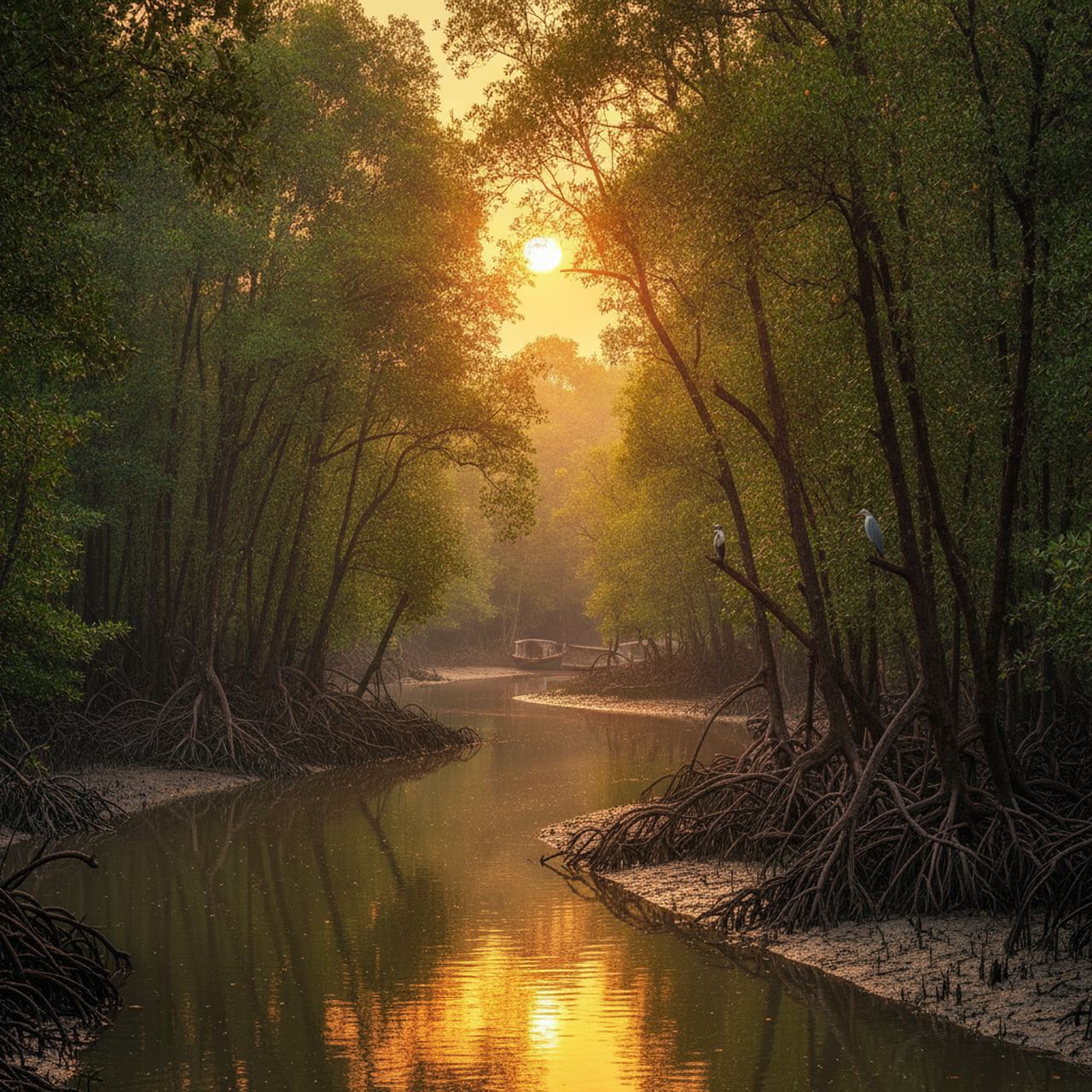
The world's largest mangrove forest, home to the Royal Bengal Tiger and a labyrinth of tidal rivers in the Bay of Bengal.
Ratargul Swamp Forest
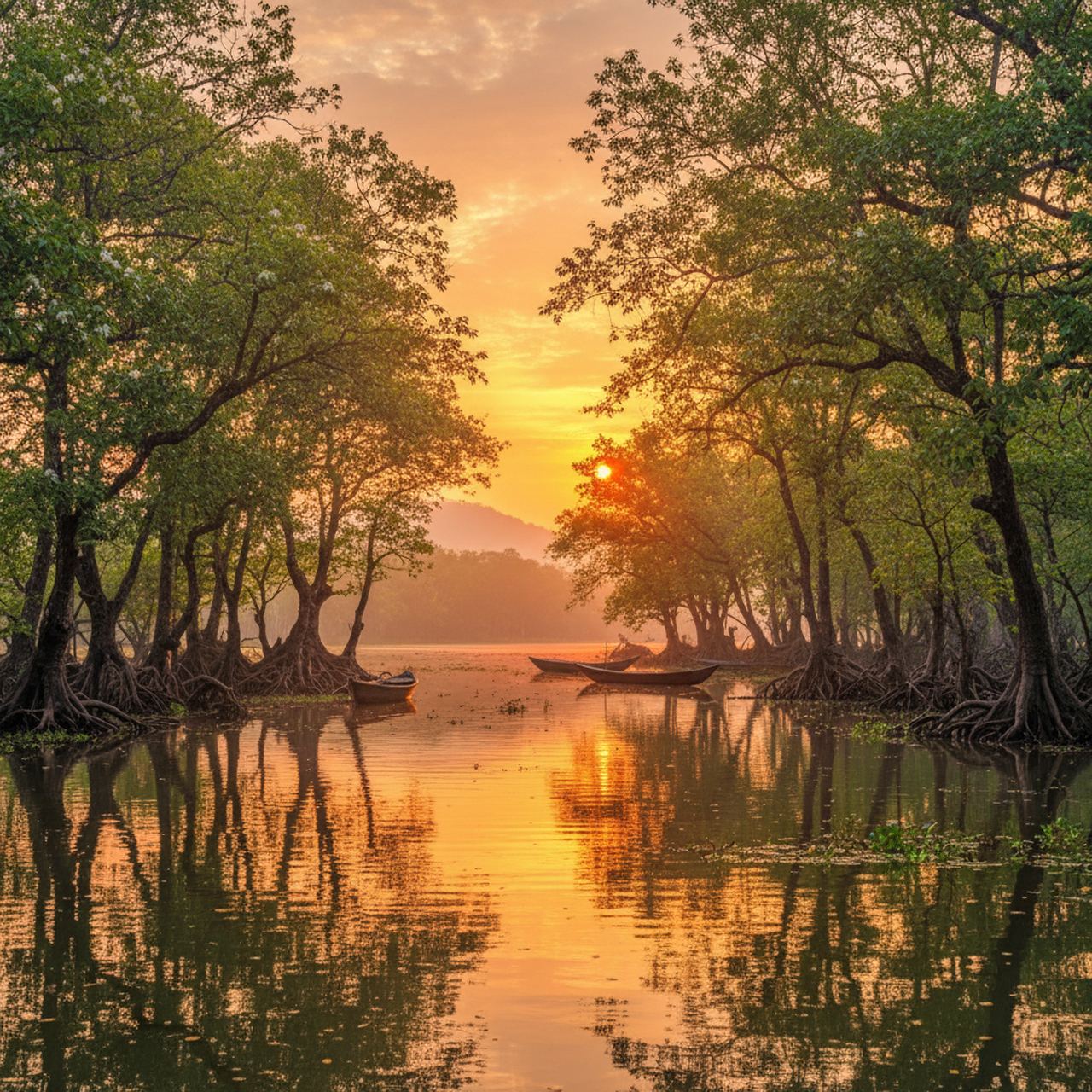
Experience the 'Amazon of Bangla' in this ethereal freshwater swamp forest, where lush trees rise directly from the emerald waters.
Lawachara National Park
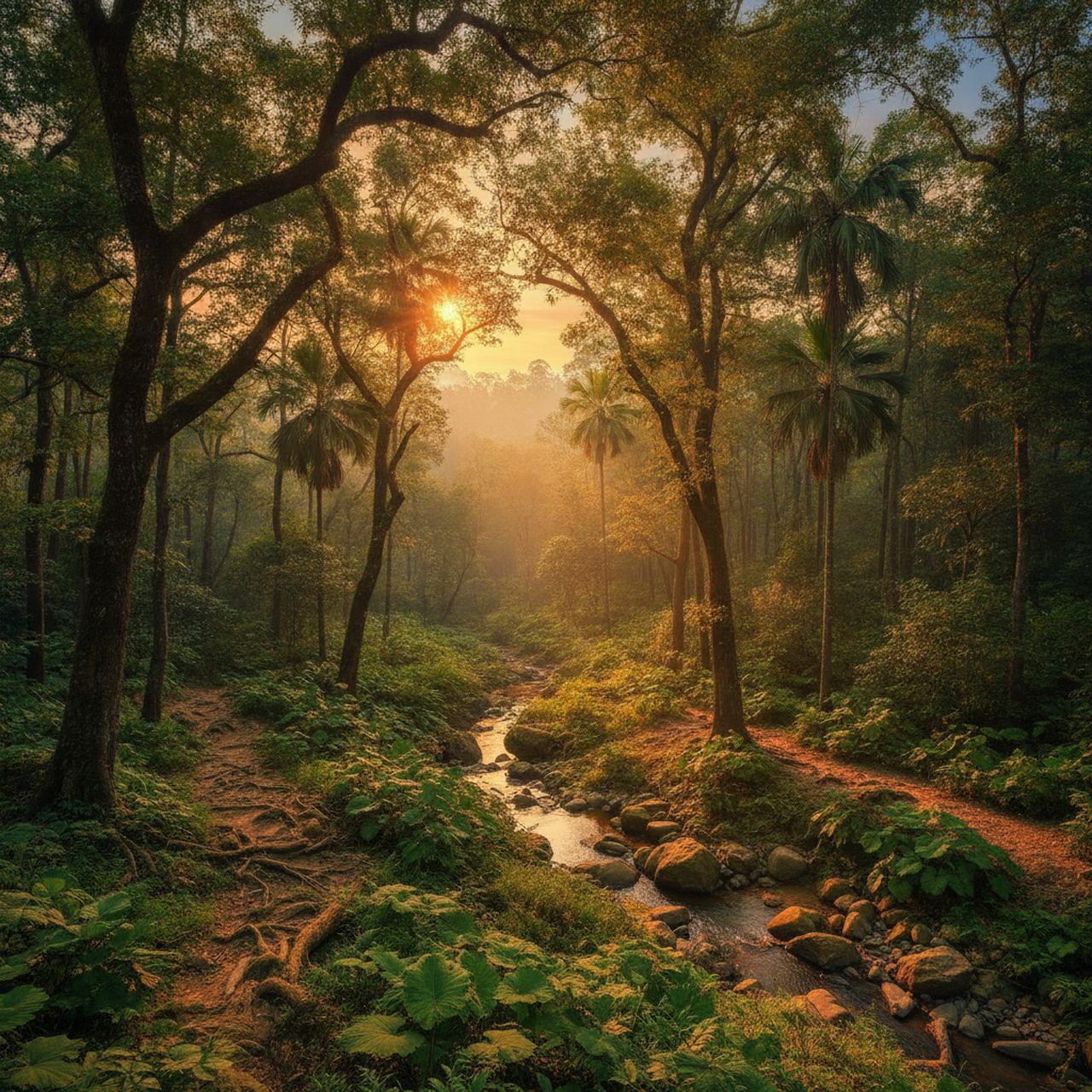
Explore an emerald sanctuary of towering trees, rare Hoolock Gibbons, and misty trails in Bangladesh's premier rainforest destination.