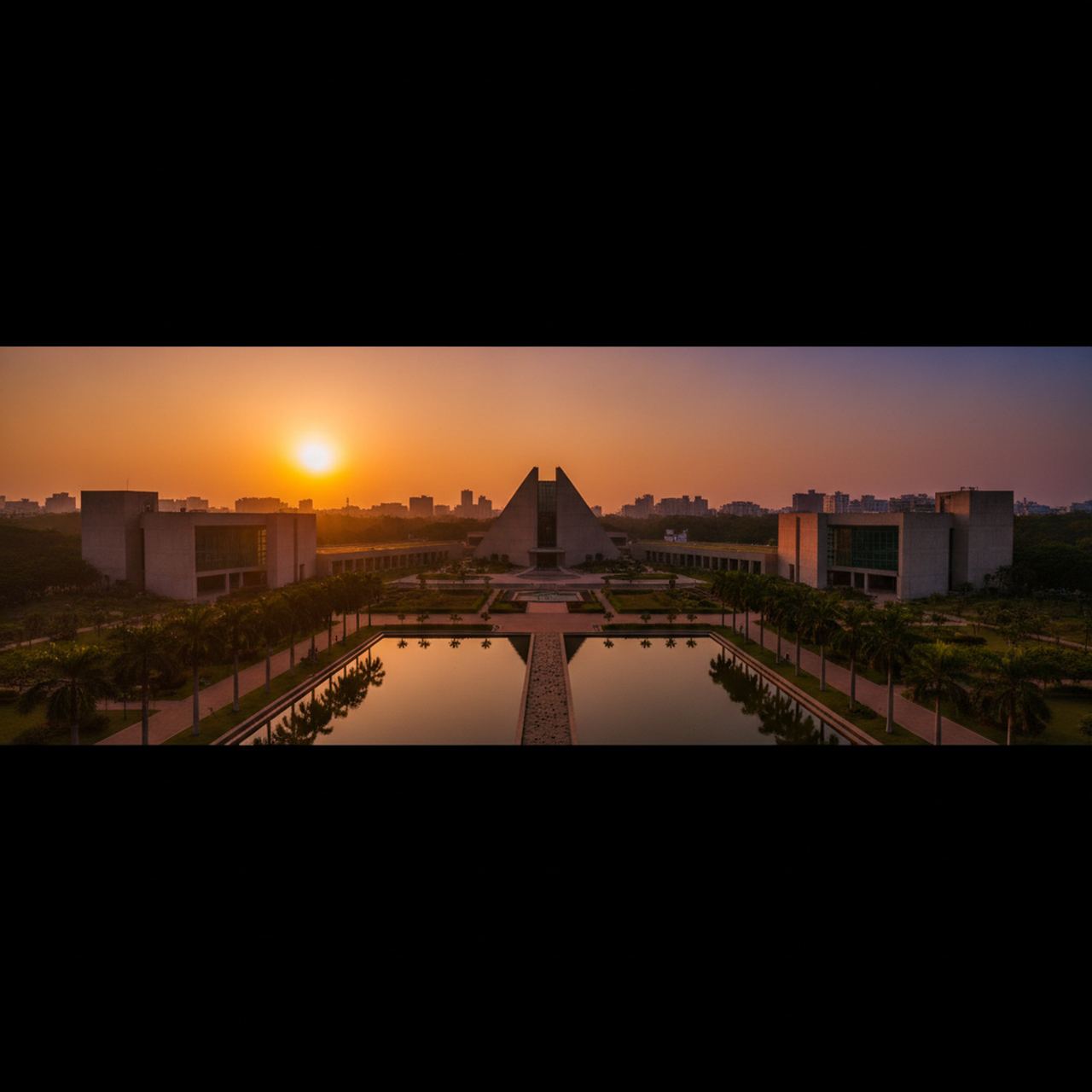
Overview
The Liberation War Museum in Agargaon, Dhaka, is a solemn and powerful architectural tribute to the 1971 struggle for independence. The building itself is a masterpiece of modern design, featuring a soaring 'eternal flame' and minimalist concrete geometry that reflects the gravity of the nation's history. Inside, the galleries are organized chronologically, leading visitors from the cultural roots of Bengal through the escalating tensions of the 1960s to the brutal realities of the nine-month war.
The experience is deeply immersive and emotional. You will encounter personal artifacts donated by families—ranging from blood-stained clothing and glasses to handwritten diaries and weapons. Large-scale installations, archival footage, and life-sized dioramas recreate the atmosphere of the refugee camps and the battlefield. The museum serves not just as a repository of facts, but as a living memorial that honors the sacrifices of the three million martyrs and the resilience of the Bangladeshi spirit.
History & context
Founded in 1996 by a group of private trustees, the museum originally operated out of a colonial-era house in Segunbagicha. It was established to document and preserve the history of the 1971 Liberation War against Pakistan. Due to its expanding collection and the need for a national-scale facility, the museum moved to its current state-of-the-art building in Agargaon in 2017. The collection includes over 21,000 artifacts, ranging from documented evidence of genocide to the personal belongings of freedom fighters (Mukti Bahini). It stands as a vital educational hub for understanding the secular and democratic aspirations that birthed the nation.
Getting there
Located in the Agargaon administrative area of Dhaka, the museum is easily accessible by rickshaw, CNG auto-rickshaw, or ride-sharing services. If using the Dhaka Metro Rail, exit at the Agargaon station; the museum is a short walk or rickshaw ride from the station.
Travel tips
- Allocate at least 2-3 hours to fully explore all four main galleries.
- Note that the museum is closed on Sundays and observes specific holiday hours.
- Photography is permitted in some common areas but strictly prohibited inside the main exhibition galleries.
- Visit the rooftop garden for a quiet space to reflect after touring the somber exhibits.
- Check the museum website for temporary exhibitions or documentary screenings in the auditorium.
More heritage destinations
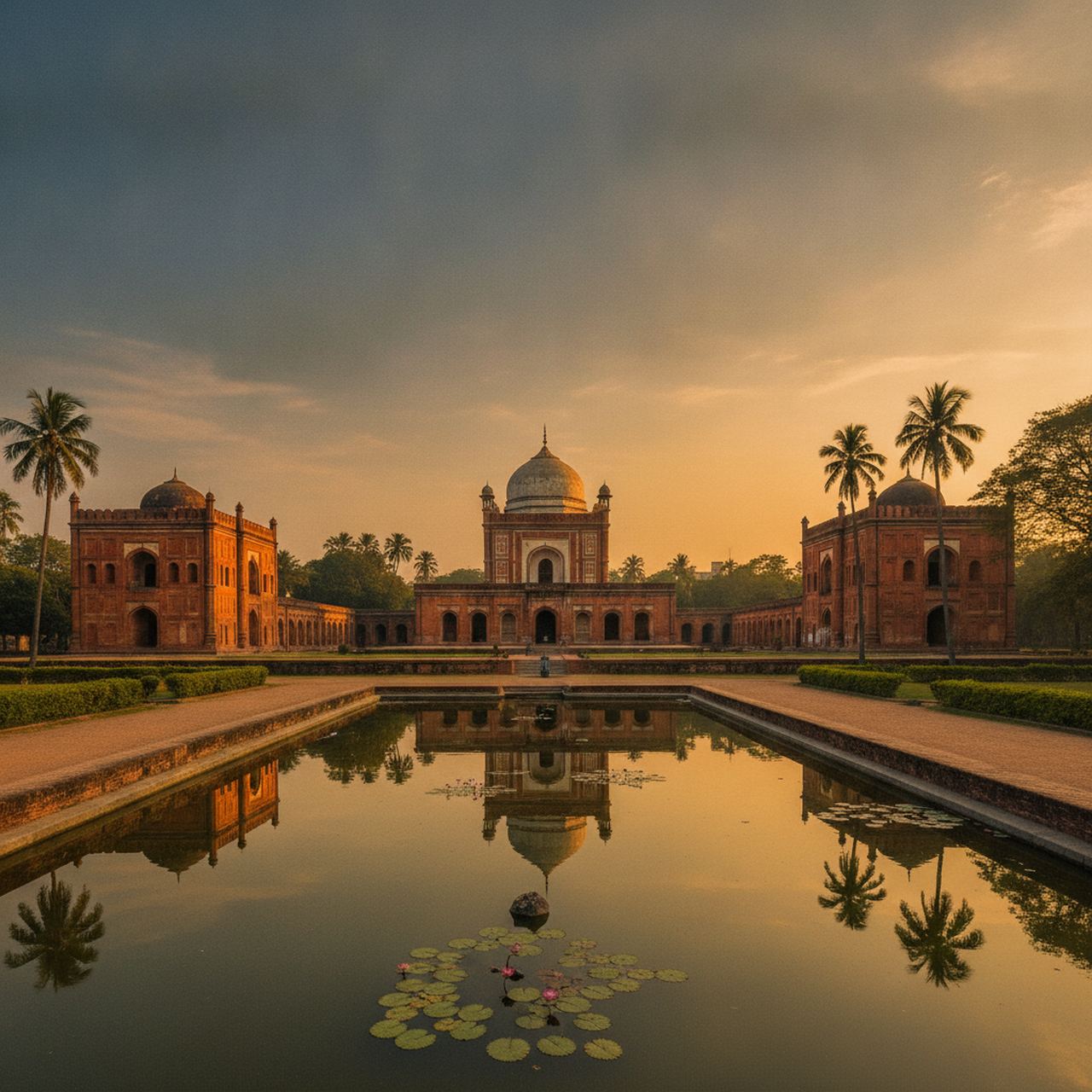
Lalbagh Fort
An iconic 17th-century Mughal fortress in Old Dhaka featuring grand monuments, lush gardens, and a storied royal history.
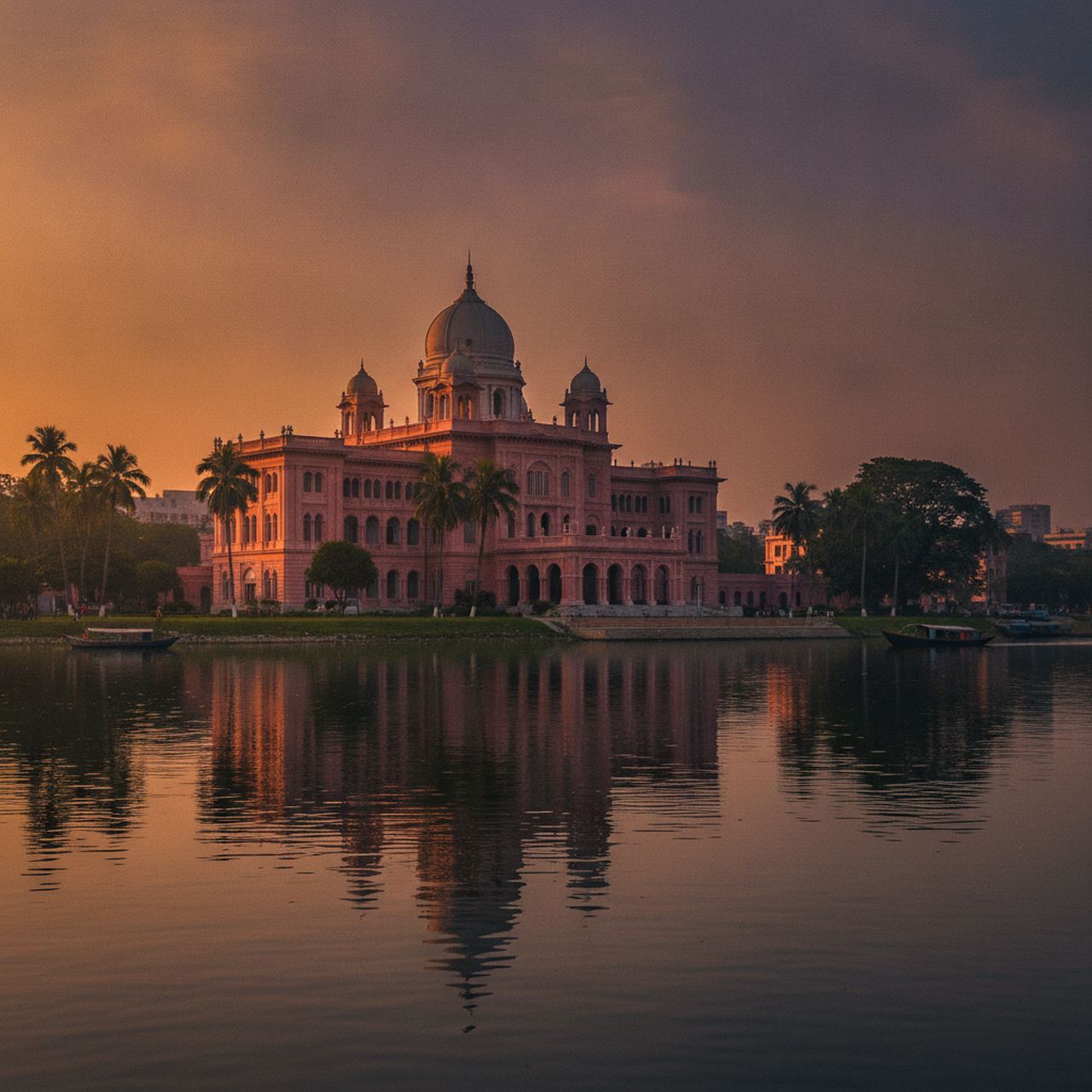
Ahsan Manzil
Explore the 'Pink Palace,' a stunning Indo-Saracenic monument on the Buriganga River that served as the grand seat of the Nawabs of Dhaka.
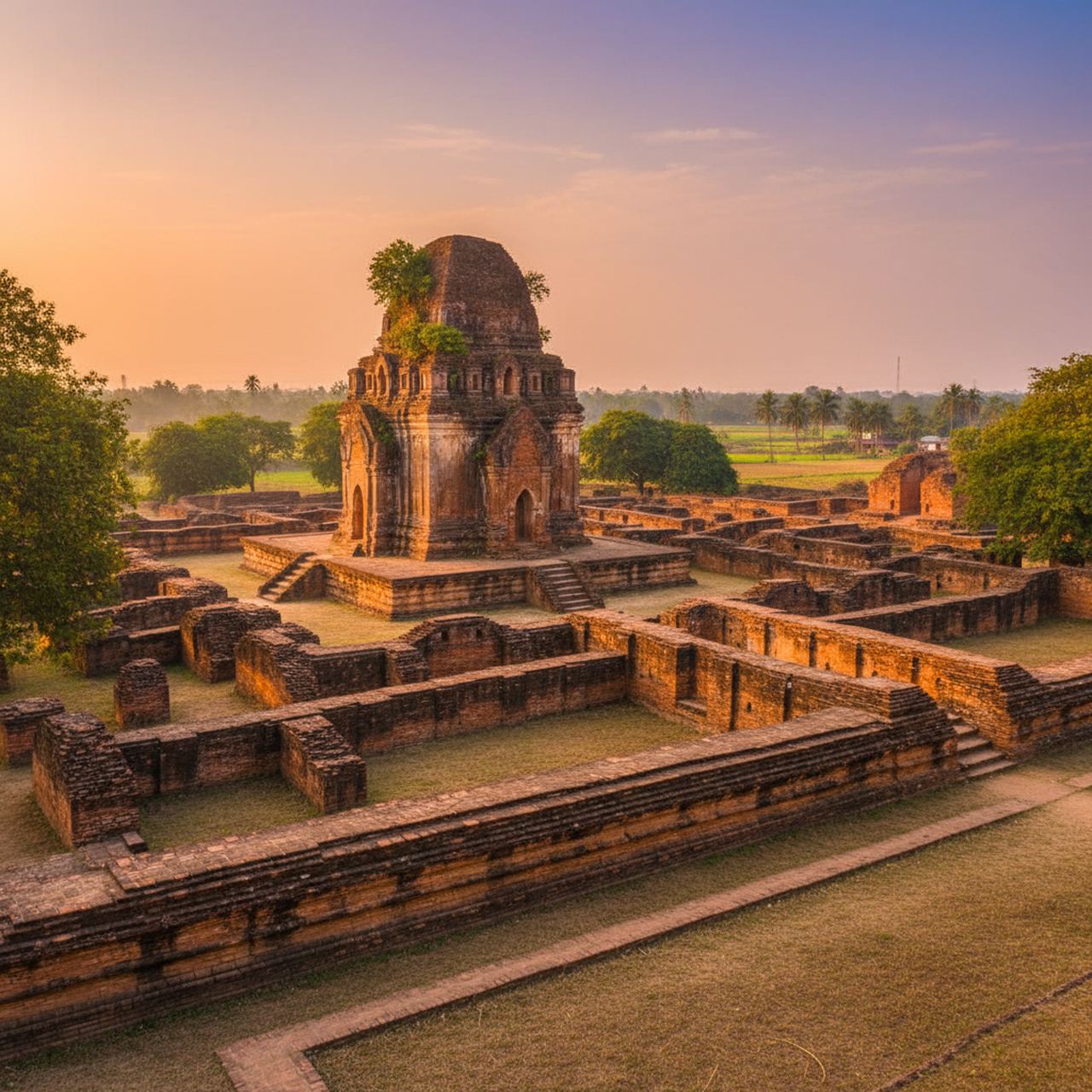
Somapura Mahavihara
Explore the majestic 8th-century ruins of Somapura Mahavihara, a UNESCO World Heritage site and a cradle of ancient Buddhist learning.