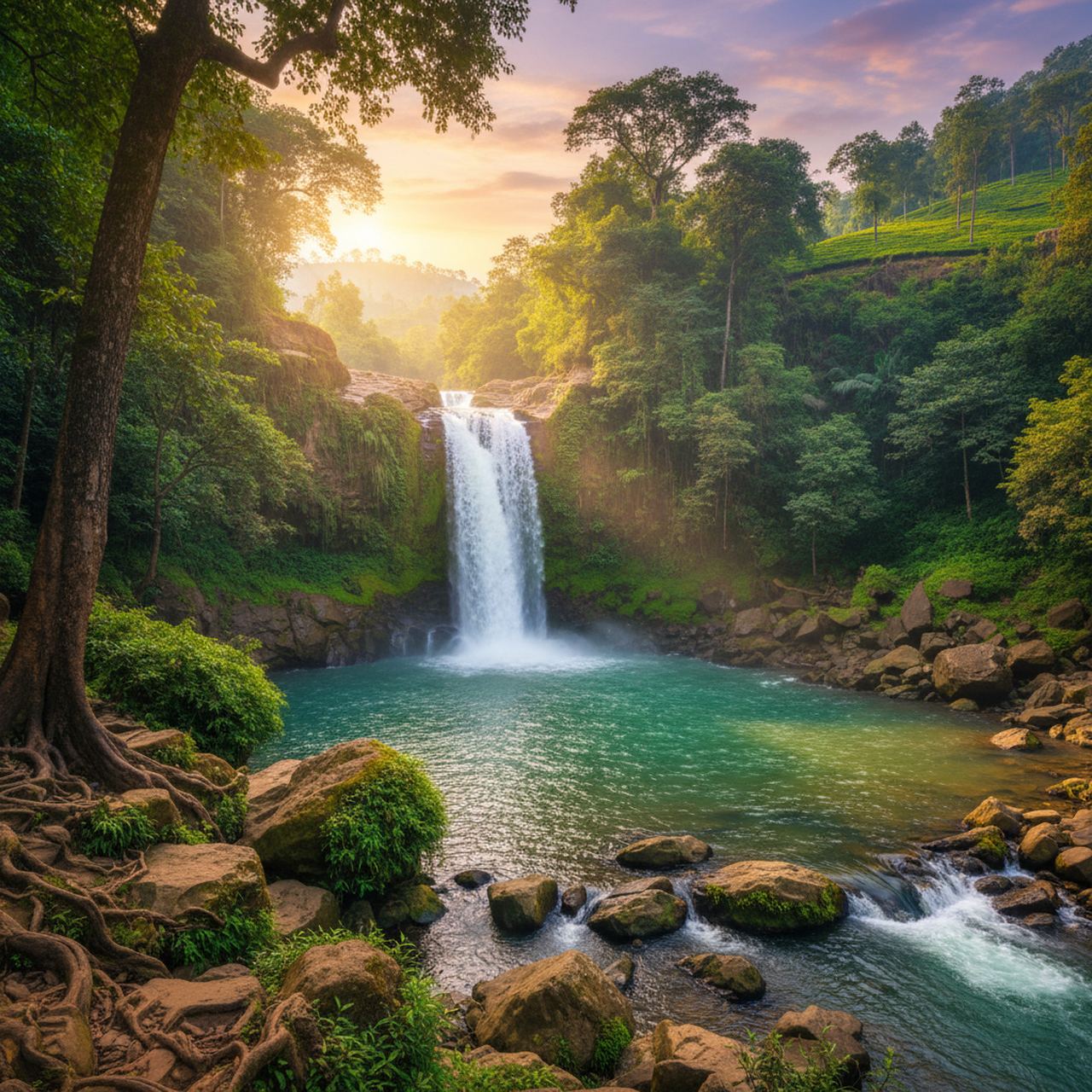
Overview
Madhabkunda Waterfall is one of the highest and most prominent waterfalls in Bangladesh, plunging approximately 200 feet down a sheer stone face into a large pool below. Situated within the lush Barlekha Upazila, the site is framed by the verdant Patharia Hill Reserve Forest. Visitors are greeted by the constant, thunderous roar of the falling water and the cool, mist-filled air that clings to the surrounding boulders and fern-covered cliffs. The area offers a sensory escape into nature, where the dense canopy of the Sylhet hills meets the raw power of cascading spring water.
Walking paths wind through the forest, leading to various viewpoints that overlook the stream as it meanders through the rocky terrain. While the main attraction is the grand vertical drop, the surrounding ecosystem is equally captivating, featuring orange groves, betel leaf plantations, and diverse avian life. The atmosphere is particularly enchanting during the tail end of the monsoon when the volume of water is at its peak, though the dry season offers safer trekking opportunities for those wishing to explore the upper reaches of the hills.
History & context
Geographically, Madhabkunda is part of the eastern hill ranges that form the border between Bangladesh and the Indian state of Assam. These hills are composed of ancient sandstone and siltstone formations. Culturally, the area is significant to both the local tea-growing communities and the indigenous Khasi people who have inhabited these highlands for generations. The waterfall is also a site of religious importance; a nearby temple dedicated to Lord Shiva attracts Hindu pilgrims during the Baruni Mela, a festival usually held in the spring. This intersection of geological grandeur and spiritual tradition has made it a focal point of regional heritage.
Getting there
Take a train or bus from Dhaka to Sylhet or Kulaura. From Kulaura, which is the nearest major railhead, you can hire a local CNG auto-rickshaw or a private jeep (Chander Gari) for the 35-kilometer journey to the waterfall site. Alternatively, if traveling from Sylhet city, the drive takes approximately three hours via the Moulvibazar road.
Travel tips
- Wear sturdy, non-slip footwear as the rocks near the pool are extremely slippery.
- Carry a waterproof bag for electronics to protect them from the constant mist.
- Avoid swimming directly under the fall during heavy rains due to falling debris and strong currents.
- Hire a local guide if you plan to trek into the surrounding forest or visit the Khasi villages.
- Visit early in the morning on weekdays to avoid the large weekend crowds.
More waterfall destinations
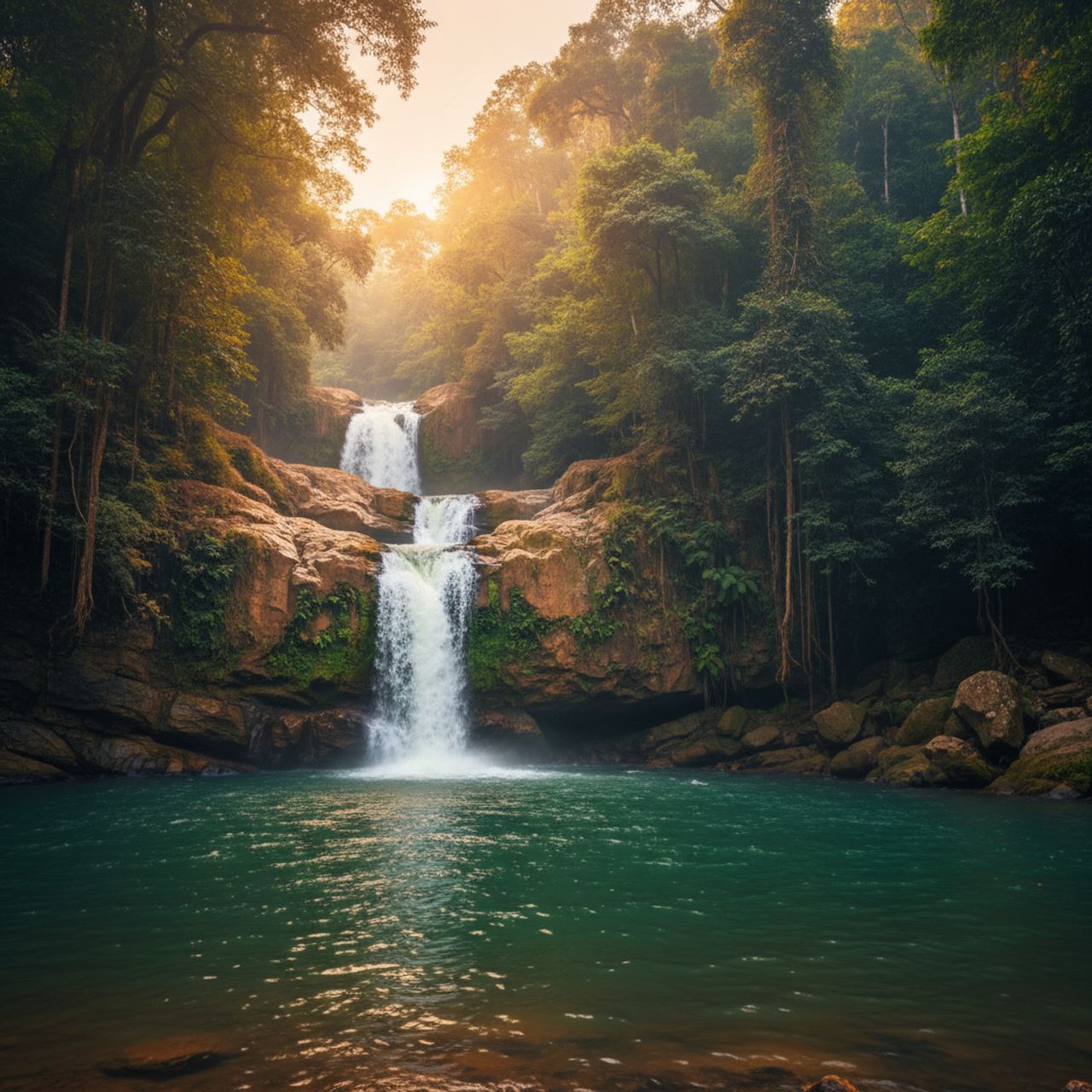
Ham Ham Waterfall
A towering 160-foot waterfall hidden in the dense Rajkandi Reserve Forest, offering Bangladesh's most rewarding jungle trek.
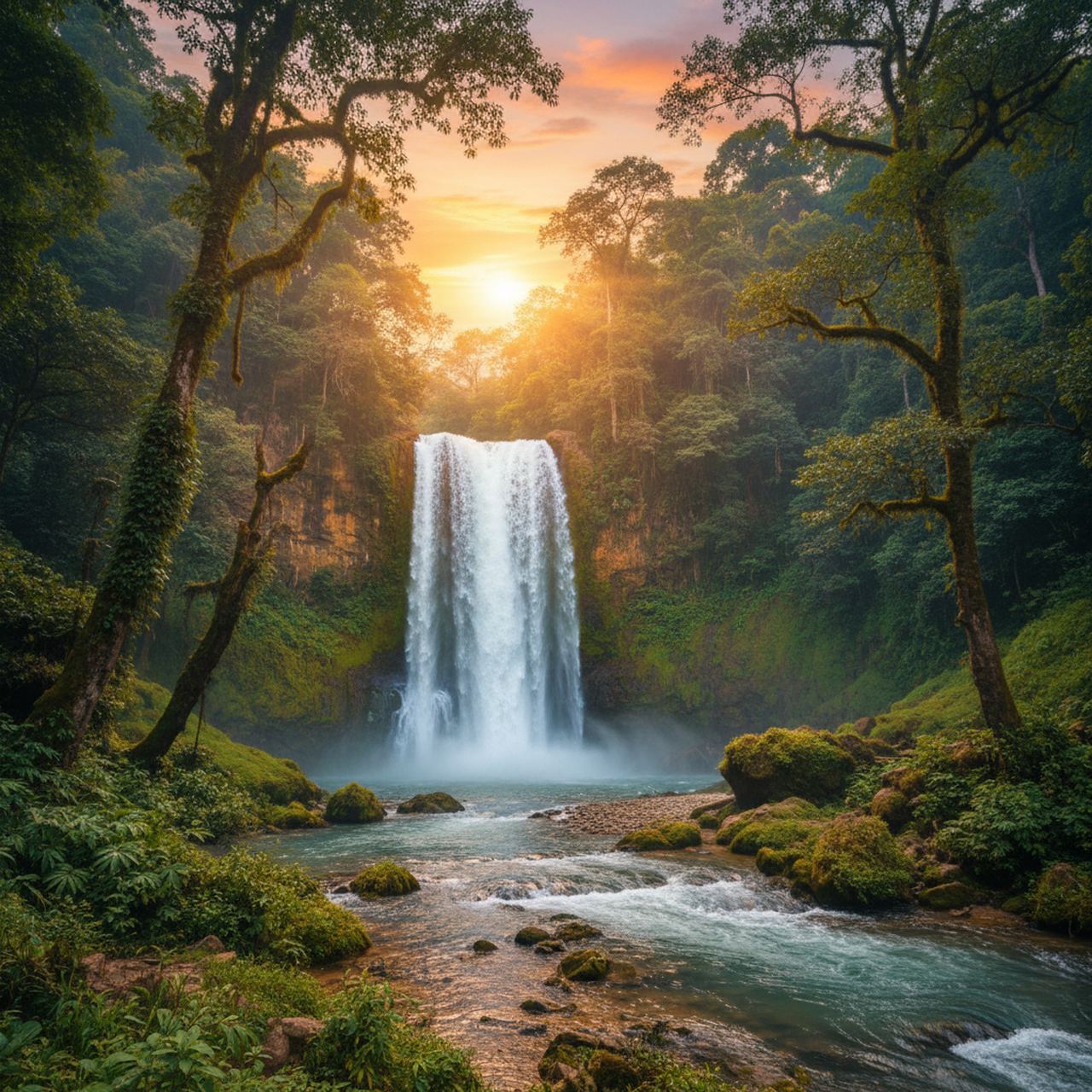
Kuhelika Waterfall
A secluded, multi-tiered waterfall hidden in the emerald hills of Mirsharai, offering a serene escape for adventurous trekkers.
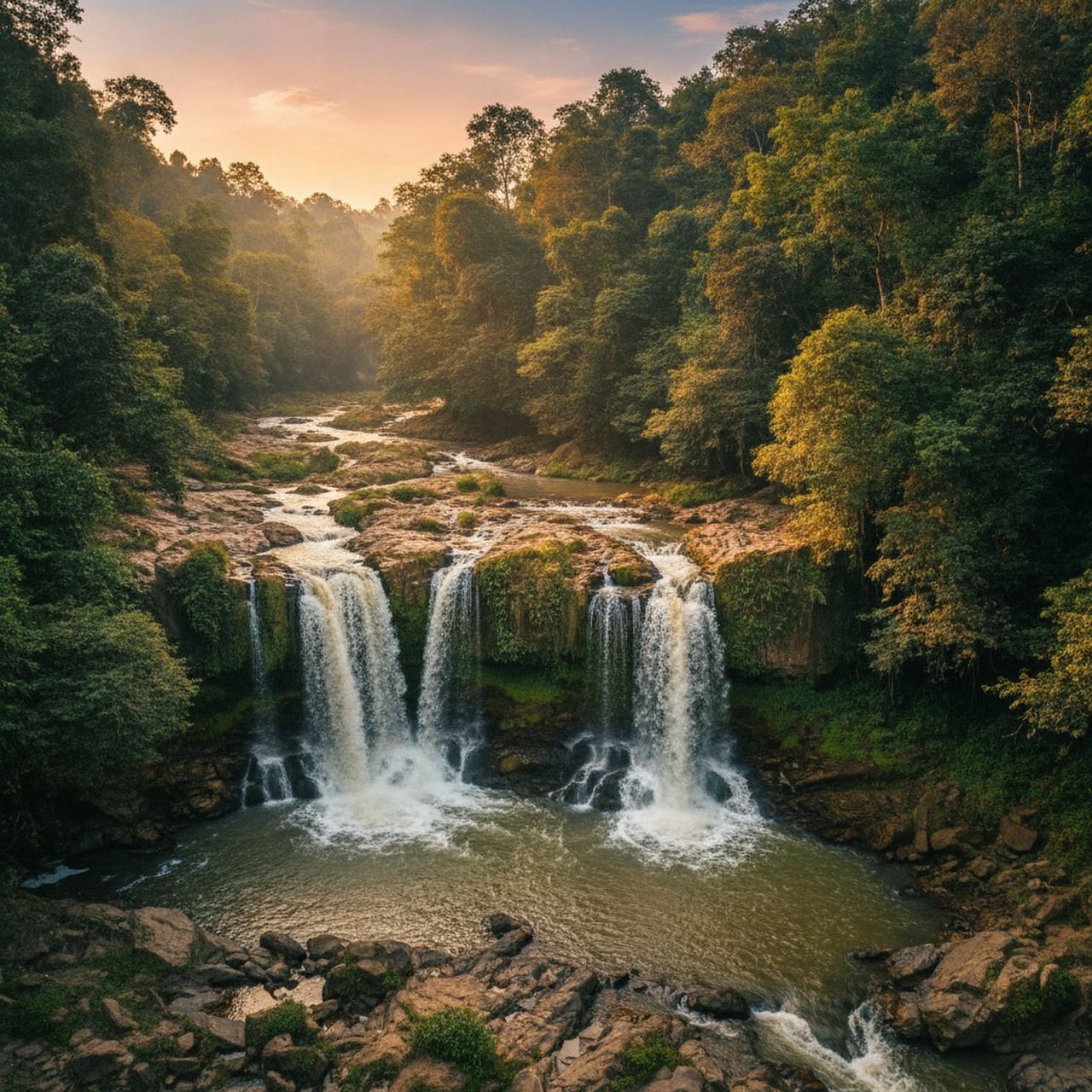
Nafakhum Waterfall
A powerful, horseshoe-shaped waterfall nestled deep in the rugged hills of Thanchi, accessible only by boat and trek.