Overview
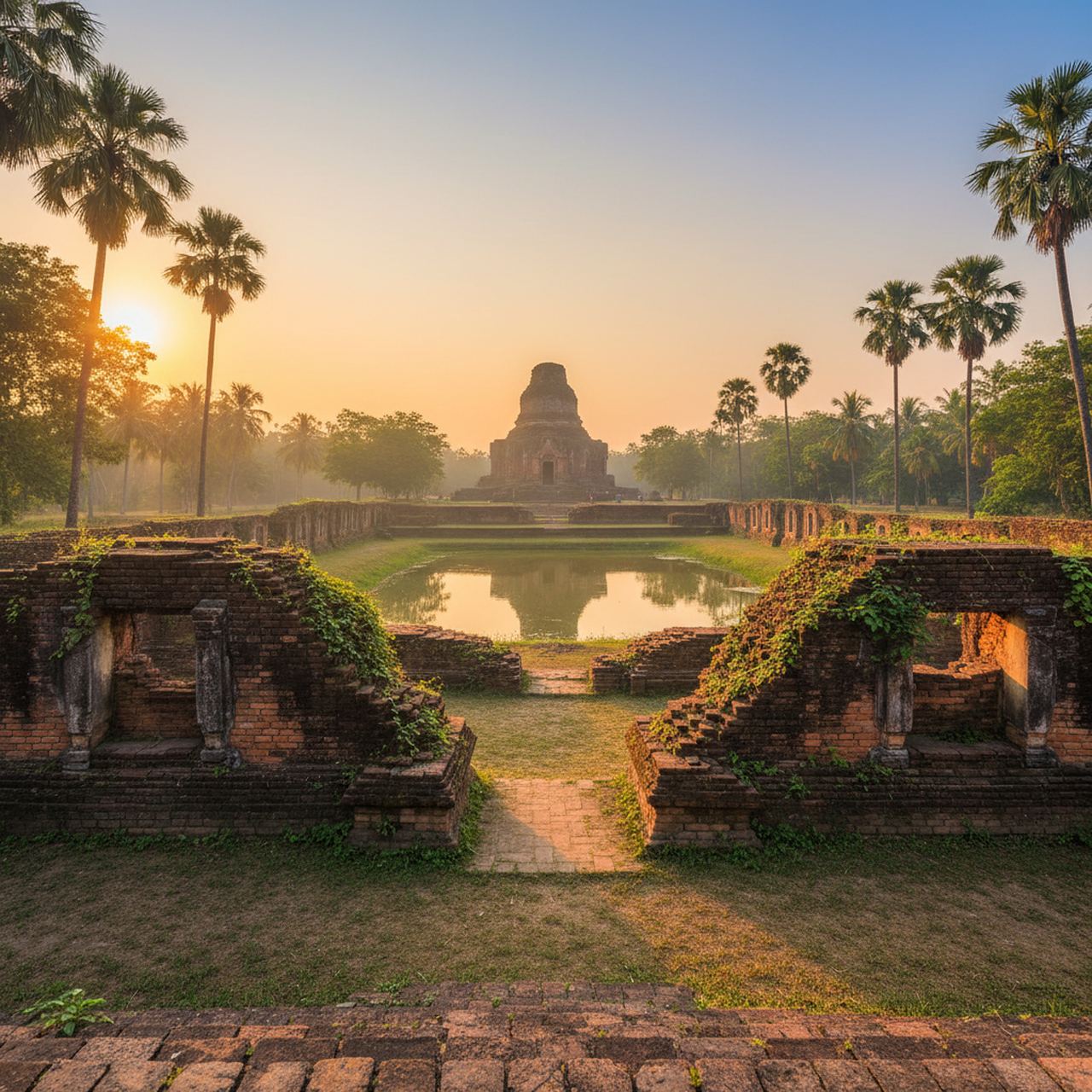
Shalban Vihara is one of the most significant archaeological sites in Bangladesh, nestled in the heart of the Lalmai-Mainamati hill range. The site reveals the remains of a vast Buddhist monastery, characterized by its distinct cruciform central shrine surrounded by 115 monastic cells arranged in a square layout. Walking through the ruins, you can observe the intricate terracotta plaques that once adorned the walls, depicting floral motifs, animals, and mythological figures. The atmosphere is one of profound stillness, offering a glimpse into the disciplined lives of the monks who once resided here.
The surrounding landscape is lush and serene, shaded by the 'Shal' trees from which the site derives its name. Adjacent to the ruins is the Mainamati Museum, which houses a rich collection of artifacts unearthed during excavations, including bronze statues of Buddhist deities, ancient coins, copper plates, and pottery. The site serves as both a peaceful retreat and an educational journey into the architectural and spiritual sophistication of ancient Bengal.
History & context
The monastery dates back to the late 7th or early 8th century, established during the reign of King Bhava Deva of the Deva dynasty. It was a major center for Buddhist learning and culture in the region then known as Samatata. The architectural style reflects the evolution of the 'Panchayatana' layout, which influenced temple designs across Southeast Asia. Over the centuries, the site saw various phases of renovation under different dynasties before falling into obscurity. It was rediscovered in the mid-20th century, leading to extensive archaeological excavations that restored its status as a cornerstone of Bengali heritage.
Getting there
From Dhaka, take a bus or train headed to Cumilla. Buses depart regularly from Sayedabad and Mohakhali, reaching Cumilla in approximately 2-3 hours via the Dhaka-Chattogram Highway. Once in Cumilla city, take a local CNG auto-rickshaw or battery-run easy bike to the Kotbari area, where the archaeological site is located.
Travel tips
- Visit the Mainamati Museum first to understand the context of the ruins.
- Wear comfortable walking shoes as the site covers a large area.
- Carry water and sunscreen, as there is limited shade within the ruins.
- The site is closed on Sundays and half-day on Mondays; check local schedules.
- Hire a local guide at the entrance for detailed historical insights.
More heritage destinations
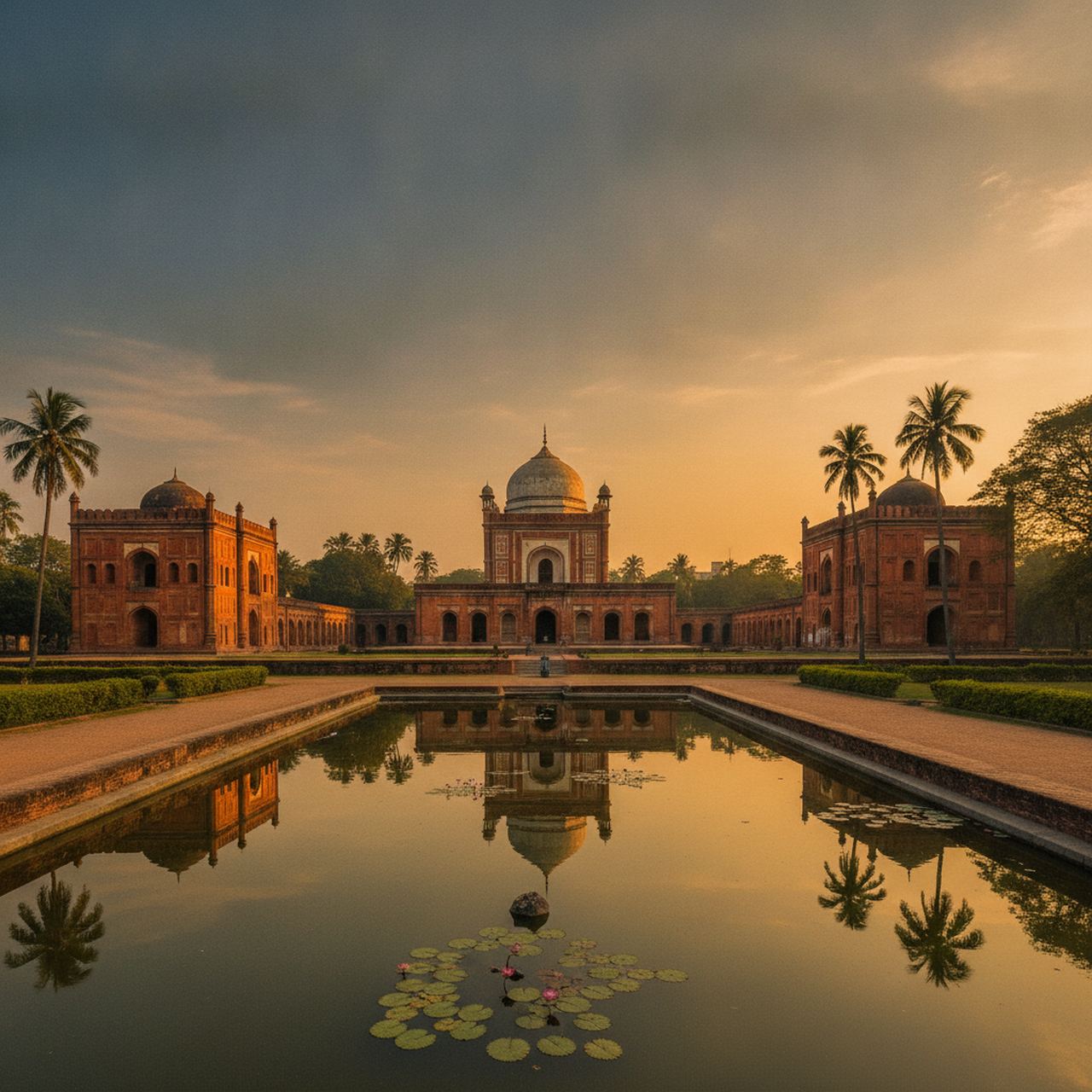
Lalbagh Fort
An iconic 17th-century Mughal fortress in Old Dhaka featuring grand monuments, lush gardens, and a storied royal history.
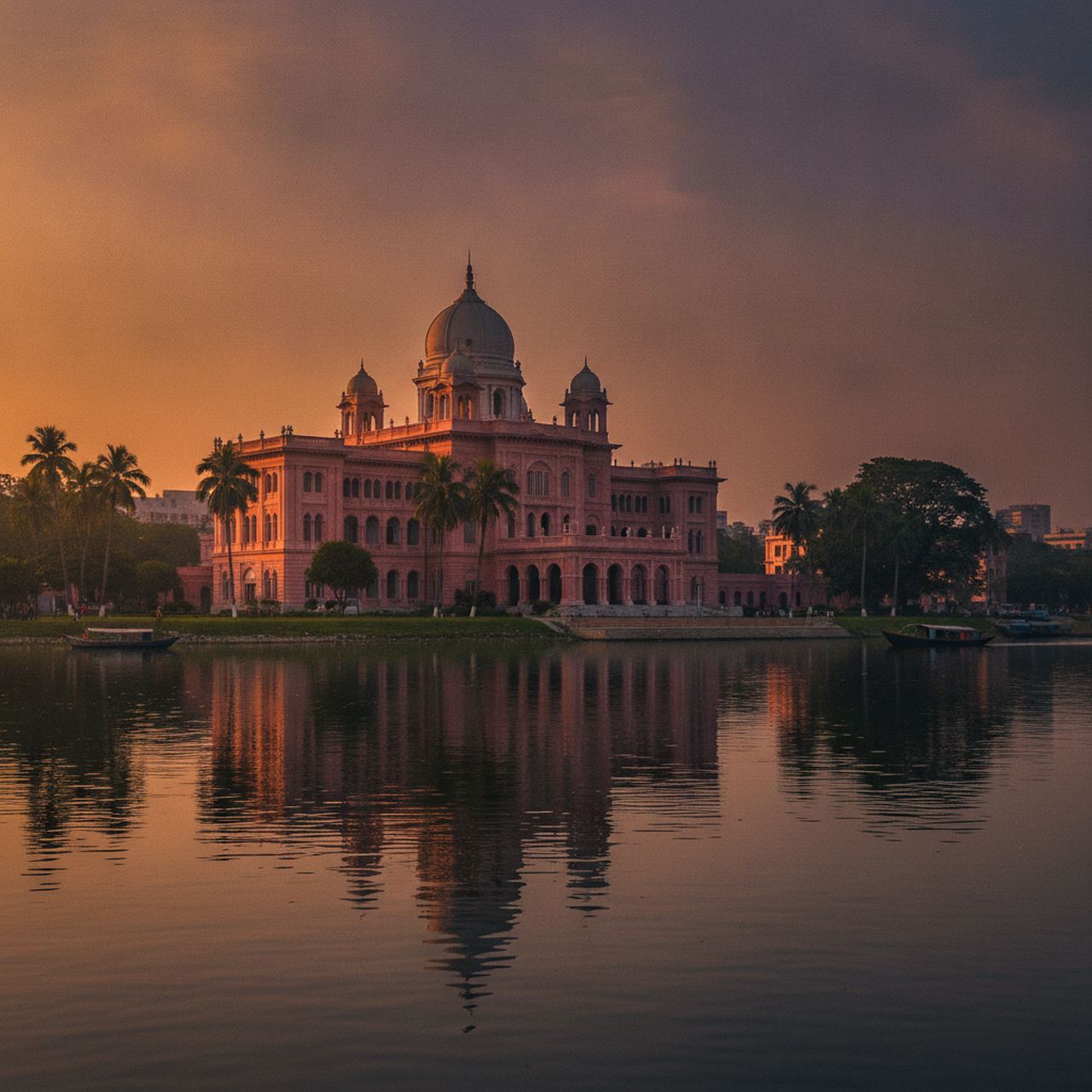
Ahsan Manzil
Explore the 'Pink Palace,' a stunning Indo-Saracenic monument on the Buriganga River that served as the grand seat of the Nawabs of Dhaka.
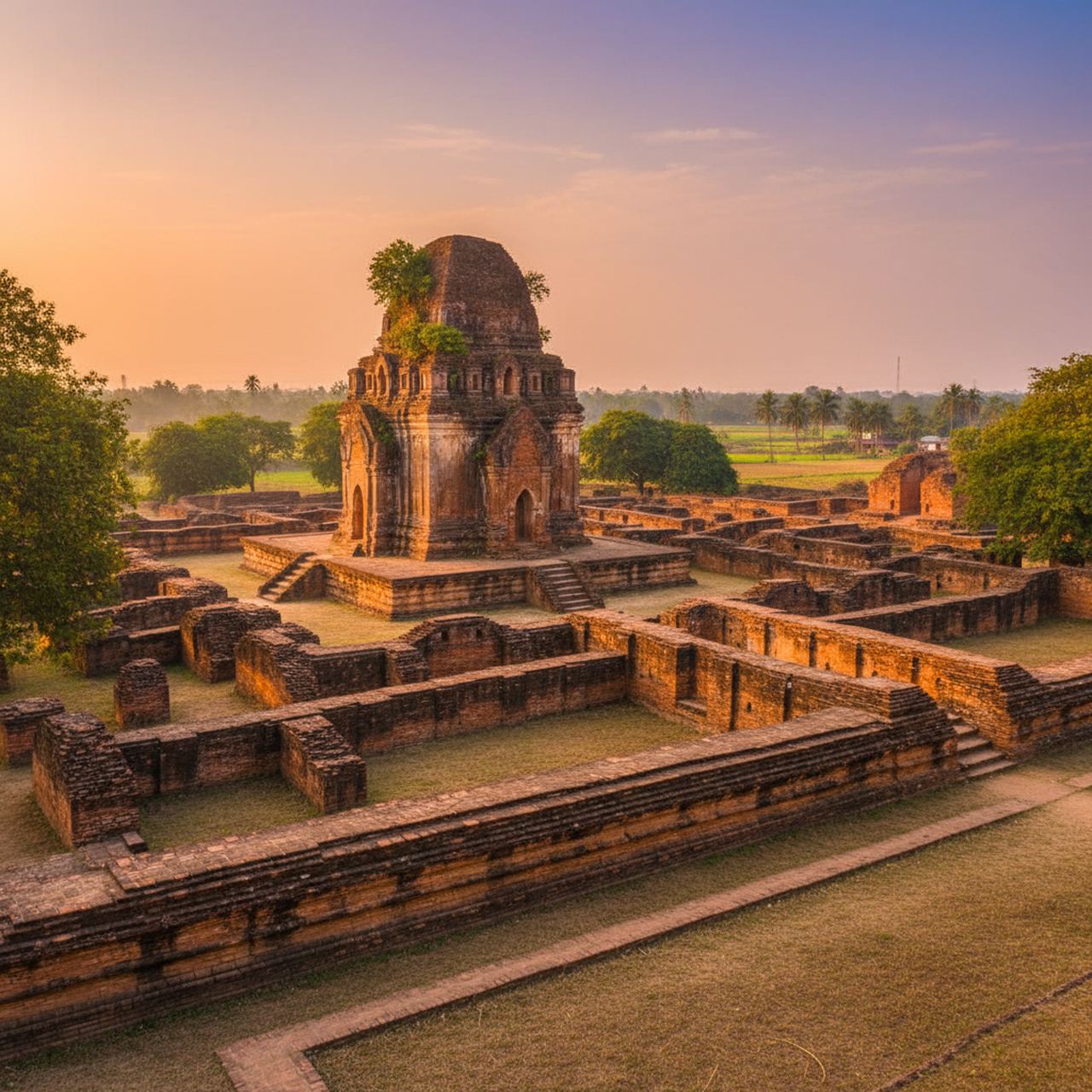
Somapura Mahavihara
Explore the majestic 8th-century ruins of Somapura Mahavihara, a UNESCO World Heritage site and a cradle of ancient Buddhist learning.