Overview
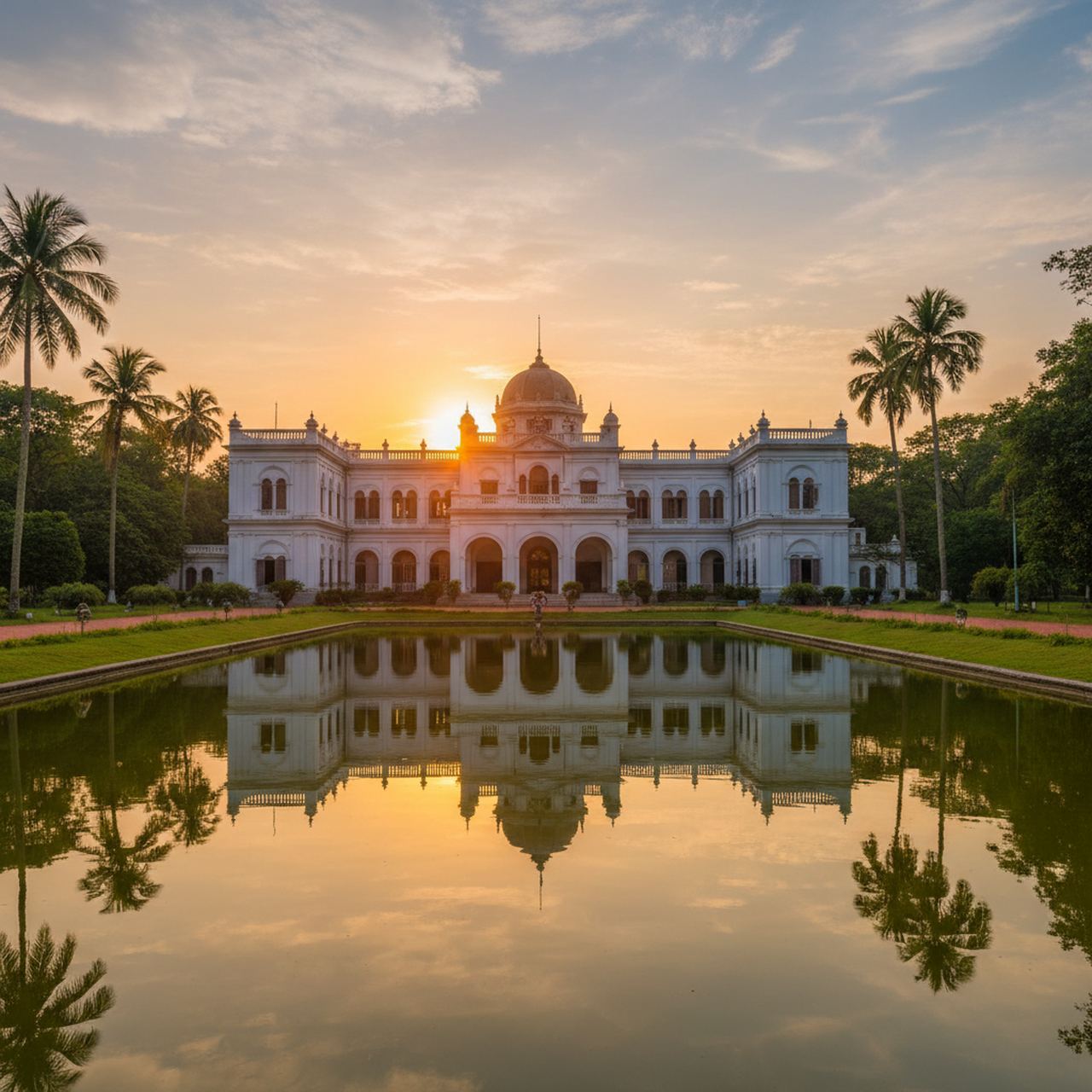
Tajhat Palace is one of the most majestic examples of Indo-Saracenic architecture in Bangladesh. As you approach the grand structure, you are met with an expansive front lawn leading to a massive U-shaped building, characterized by its central marble staircase and a grand ribbed dome topped with a tall finial. The palace features rows of semi-circular arches and elegant wooden shutters, reflecting a blend of Mughal and European styles.
Inside, the palace functions as a museum, housing a collection of ancient Sanskrit and Arabic manuscripts, black stone carvings of Hindu deities, and artifacts from the Pala period. Walking through the wide verandas, you can feel the opulence of the bygone zamindari era. The surrounding grounds are filled with tall palm trees and seasonal flower gardens, offering a tranquil atmosphere that contrasts with the bustling activity of Rangpur city.
History & context
The palace was commissioned by Maharaja Kumar Gopal Lal Roy in the early 20th century. The family's wealth originated from the gemstone trade; according to local lore, the name 'Tajhat' is derived from the 'Taj' (crown) adorned with jewels that the family traded in their 'Hat' (market). The structure was built using high-quality materials, including imported marble from Italy. Following the end of the British Raj and the abolition of the zamindari system, the palace served various administrative purposes, including a brief stint as a High Court bench in the 1980s, before being designated as a protected monument and museum.
Getting there
From Dhaka, take a bus from the Gabtoli or Kalyanpur terminals to Rangpur city, which typically takes 6 to 8 hours. Alternatively, you can take the Kurigram Express or Rangpur Express train from Kamalapur Railway Station. Once in Rangpur city, the palace is located about 6 kilometers southeast of the city center and is easily accessible via auto-rickshaw or rickshaw.
Travel tips
- Visit during the morning hours to avoid the midday heat and afternoon crowds.
- The museum is closed on Sundays and half-day on Mondays; check local holidays before visiting.
- Photography is allowed in the gardens but may be restricted inside the museum galleries.
- Wear comfortable walking shoes as the palace grounds are extensive.
More heritage destinations
Lalbagh Fort
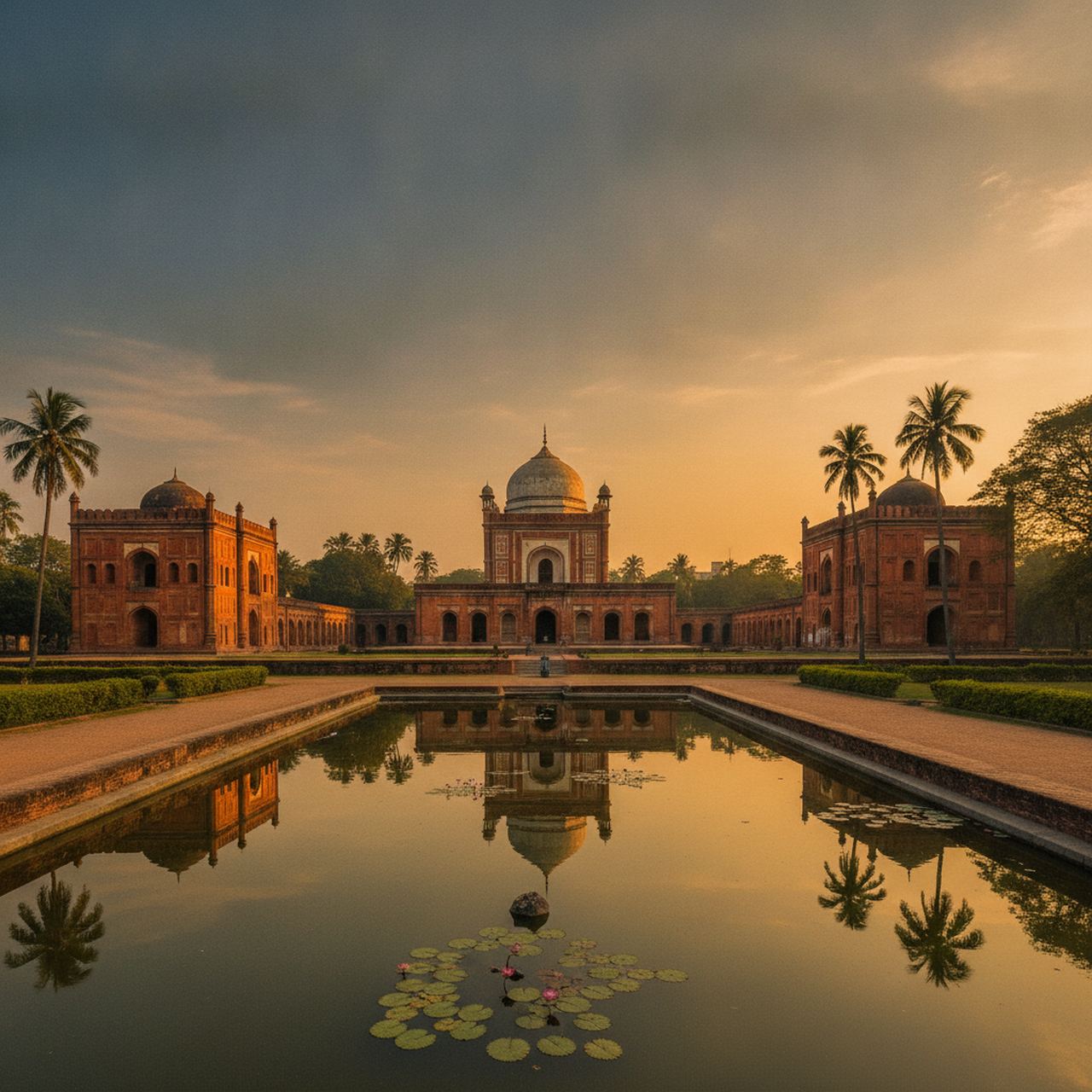
An iconic 17th-century Mughal fortress in Old Dhaka featuring grand monuments, lush gardens, and a storied royal history.
Ahsan Manzil
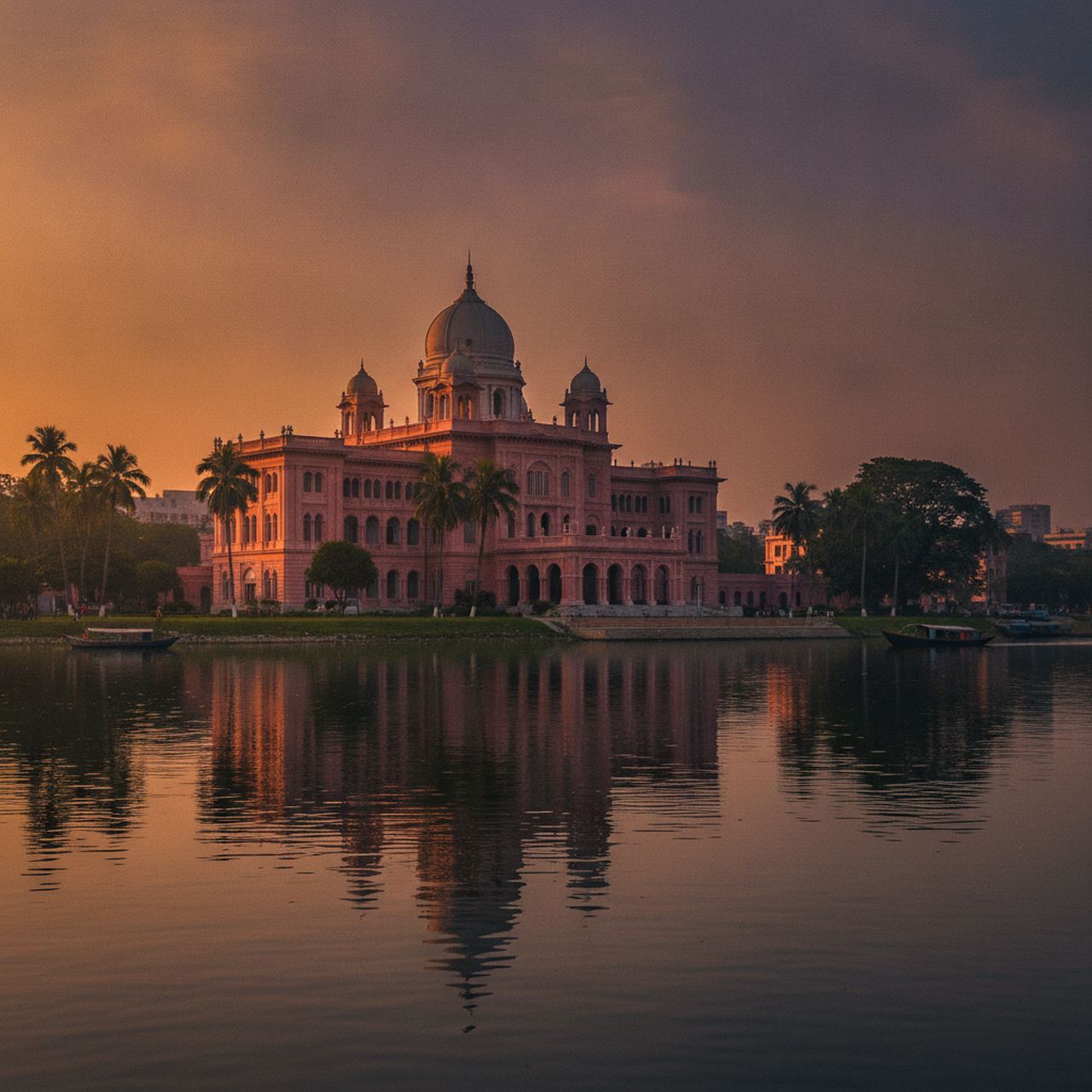
Explore the 'Pink Palace,' a stunning Indo-Saracenic monument on the Buriganga River that served as the grand seat of the Nawabs of Dhaka.
Somapura Mahavihara
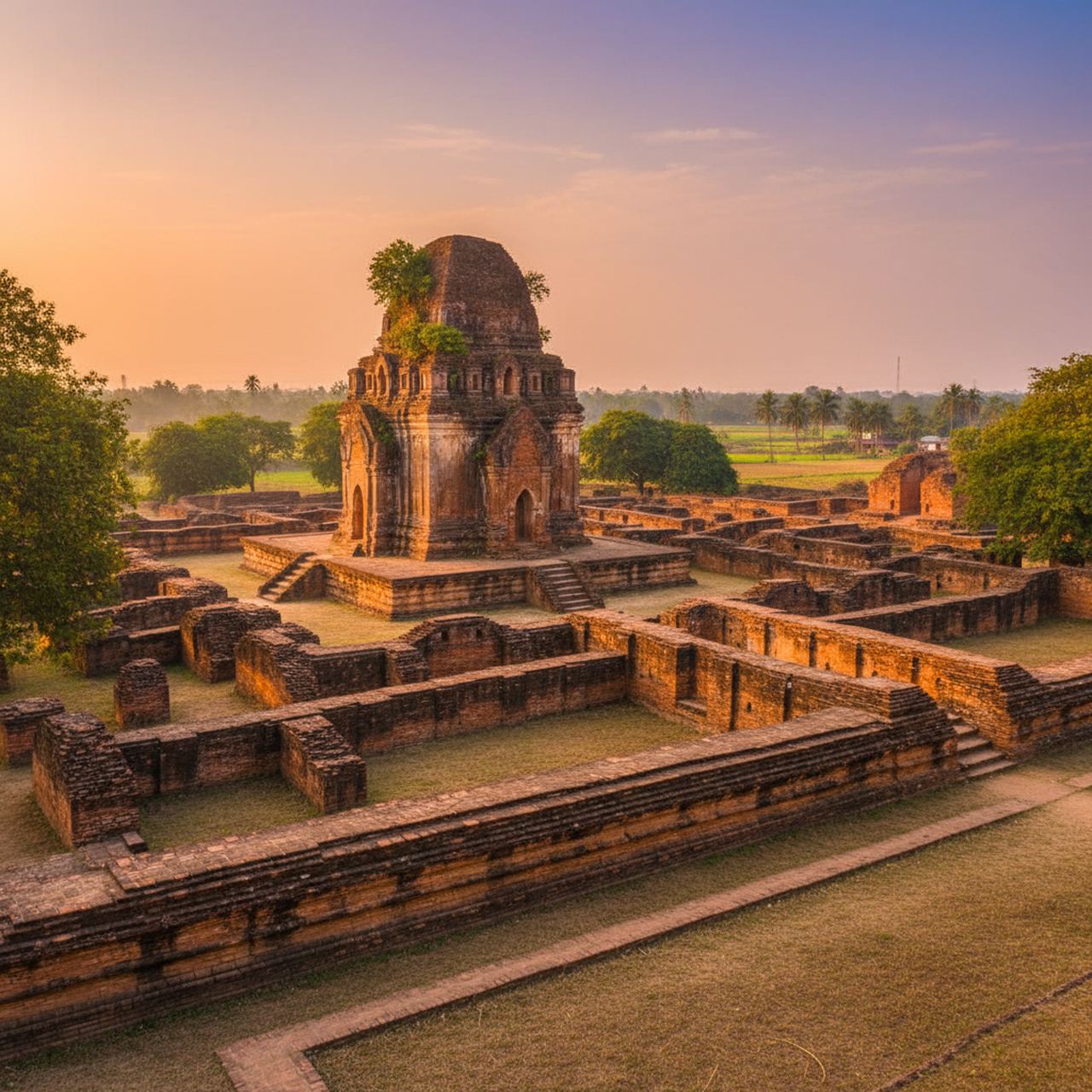
Explore the majestic 8th-century ruins of Somapura Mahavihara, a UNESCO World Heritage site and a cradle of ancient Buddhist learning.